Trump Criticizes Netanyahu Over Lebanon Strikes Amid Middle East Conflict Escalation
US President Trump reproached Israeli PM Netanyahu, citing risks to Israel’s international standing following strikes in Lebanon.
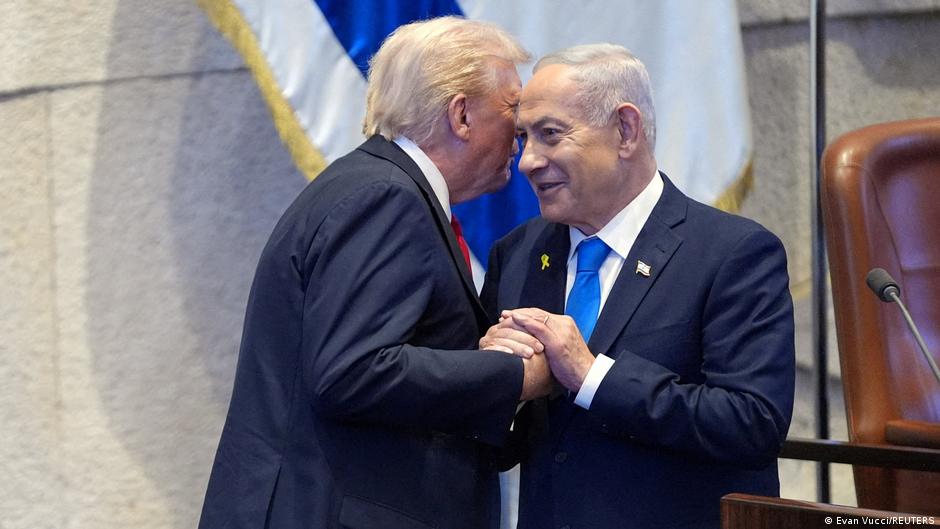
In a recent phone call, former US President Donald Trump harshly criticized Israeli Prime Minister Benjamin Netanyahu for ordering military strikes on southern Beirut, Lebanon, actions that disrupted a fragile ceasefire in the Middle East. The exchange, reported by Axios on June 1, highlights the geopolitical tensions influencing the region and raises concerns over Israel's international relations and stability.
Geopolitical Strain and Economic Implications
Trump reportedly labeled Netanyahu "crazy" during the call, reflecting his frustration over the breakdown of the ceasefire. The Israeli military's strikes targeted areas linked to Hezbollah, an Islamist group backed by Iran, intensifying conflict that had already escalated following Hezbollah's attacks on northern Israel.
Trump also reminded Netanyahu of his past efforts to help the Israeli leader avoid imprisonment on corruption charges, emphasizing the political sensitivity surrounding Netanyahu's leadership.
"Due to the strikes on Lebanon, Netanyahu is 'hated by everyone,' and this could lead Israel to greater international isolation," sources told Axios.
The disruption of the ceasefire and subsequent military escalation have potential financial and diplomatic consequences for Israel. Increased military activity often triggers investor uncertainty, potential economic sanctions, and disruptions in trade partnerships, all of which could impact Israel’s economic metrics and market confidence.
Furthermore, the strikes have drawn international scrutiny due to civilian casualties and damage to residential areas, complicating Israel's diplomatic relations and raising questions about the long-term stability of the region.
Regional Diplomacy and Ongoing Negotiations
Following the Israeli strikes, Iran-affiliated Tasnim News Agency announced a suspension of indirect negotiations with Washington, which had been mediated through intermediaries. Iran views Lebanon’s situation as integral to any ceasefire agreement with the US; however, ongoing hostilities challenge the prospects for diplomatic resolution.
Trump dismissed reports of a halt in talks, asserting via social media that negotiations are proceeding rapidly. He claimed to have brokered a mutual cessation of strikes between Israel and Lebanon, aiming to stabilize the situation and sustain diplomatic dialogue.
The developments underscore the complex interplay of military actions and diplomatic efforts in the Middle East, with significant implications for regional economic stability and investor confidence.