Trump Says U.S.-Iran Talks at U.N. Were Productive After New Threats
The mediated three-hour meeting raised investor focus on sanctions, frozen assets and potential shipping conditions in the Strait of Hormuz.
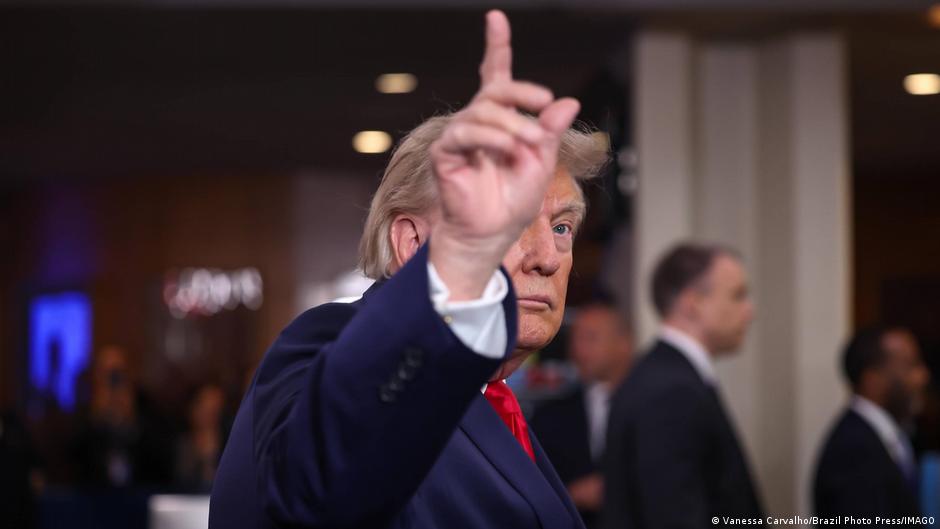
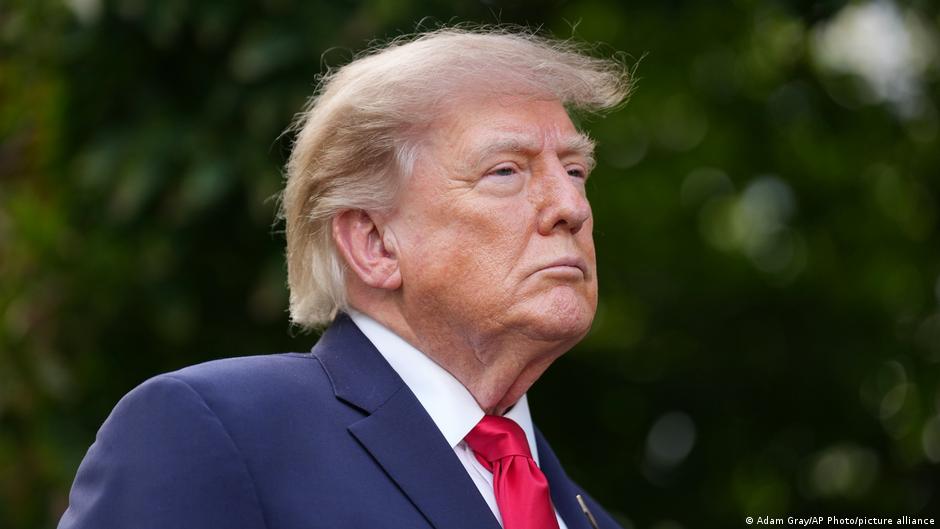
U.S. and Iranian officials held their first meeting in months on the sidelines of the 81st session of the United Nations General Assembly in New York on Tuesday, September 22, in talks that U.S. President Donald Trump later described as “very productive.” The encounter, conducted through intermediaries, lasted about three hours and came on the same day Trump threatened to destroy the Islamic Republic.
For markets and corporate risk teams, the meeting put renewed attention on several issues with direct financial consequences: sanctions-linked asset freezes, the security of shipping through the Strait of Hormuz, and the possibility of any diplomatic framework that could alter the investment and trade outlook around Iran. While no agreement was announced, the fact that the parties met after several months of no such contact was a notable development for investors tracking geopolitical risk in energy, shipping and emerging-market exposure.
Trump said U.S. officials met Iranian representatives in New York on the margins of the General Assembly. According to the account, the U.S. side was represented by Trump special envoys Steve Witkoff and Jared Kushner, while Iran was represented by Foreign Minister Abbas Araghchi. The meeting was mediated by Qatar and Pakistan, The New York Times reported.
“A round of discussions was successfully completed, which we hope will prove constructive and promising. The mediators will continue their work,” Witkoff said in a post on X.
Witkoff said the talks involved representatives moving between the sides throughout the day. He described the discussions as lengthy and said they had taken place on the sidelines of the U.N. General Assembly. His statement did not specify any agreed next steps beyond the continuation of mediation.
Investor Attention Turns to Sanctions and Hormuz
From a financial reporting perspective, the most immediate details concerned Iran’s stated conditions for the resumption of shipping through the Strait of Hormuz. Iranian state media reported that Tehran used the talks to inform Washington of those conditions. They included an immediate end to what was described as a U.S. maritime blockade, the unfreezing of all Iranian assets frozen because of sanctions, and the cessation of any military action.
Those demands are directly tied to balance-sheet and liquidity questions for Iran, because frozen assets remain a central constraint on the country’s ability to access external funds. Any movement on asset unfreezing would have potential implications for sovereign cash flows, trade settlement and the financial channels available to Iranian counterparties. However, the source account did not report any U.S. agreement to those terms.
The Strait of Hormuz is also a key risk point for global commerce. The report did not provide figures on shipping volumes or oil flows, but it did state that Iran linked the resumption of navigation through the waterway to sanctions relief and security conditions. For companies exposed to marine transport, energy procurement or regional insurance costs, the status of Hormuz remains a material variable in forward-looking risk disclosures.
Trump, while meeting leaders from Gulf states on the sidelines of the General Assembly, said there was “great momentum” toward reaching an agreement with Iran, AFP reported. That statement contrasted sharply with the president’s earlier address to heads of state and government at the United Nations, where he presented the Iran question in stark terms.
Before the talks, Trump said he faced an important choice: whether there would be an agreement with Iran that would allow it to recover and become a much more powerful state, or whether he would destroy the Islamic Republic quickly so that it would never again have a chance to kill people and destroy countries. AFP reported that the Iranian delegation left the hall during Trump’s speech.
No Financial Terms Disclosed
No formal financial framework, sanctions schedule or timetable for implementation was disclosed after the meeting. The public comments available from U.S. officials described the talks as productive and potentially constructive, but did not identify concessions, payment channels, asset amounts, or balance-sheet relief measures. For investors, that leaves the meeting as a diplomatic signal rather than a reportable policy change.
The involvement of Qatar and Pakistan as mediators suggested that indirect diplomacy remained the operating format. Such a structure can allow talks to proceed even when direct U.S.-Iran engagement is politically difficult, but it can also make it harder to assess timelines, enforceable commitments and the probability of implementation. Witkoff’s statement that mediators would continue their work points to an ongoing process rather than a completed settlement.
For listed companies, banks and insurers with exposure to the Gulf region, the near-term reporting question is not whether sanctions have changed, but whether risk factors require adjustment. The combination of a productive three-hour meeting, stated Iranian conditions on shipping and assets, and Trump’s simultaneous threat of military escalation creates a mixed signal. It may support cautious language around diplomatic momentum, while preserving warnings about sanctions, trade disruption and military risk.
The talks also illustrate the difficulty investors face in translating political statements into financial assumptions. A diplomatic meeting can reduce some perceived risk, but a threat of rapid destruction delivered the same day can increase uncertainty around downside scenarios. Until officials disclose concrete measures, the financial impact remains contingent on future mediation, sanctions policy and the security status of the Strait of Hormuz.
For now, the reported meeting marks a resumption of contact between Washington and Tehran after several months, with Trump calling the discussions very productive and U.S. envoy Witkoff saying a round of talks was successfully completed. The central financial questions remain unresolved: whether Iranian assets frozen under sanctions could be released, whether shipping through Hormuz can resume under terms acceptable to both sides, and whether the diplomatic process can withstand the sharply escalatory rhetoric that preceded it.