Trump Sets Strict Preconditions for Iran Agreement Amid Ongoing Negotiations
US President Donald Trump insists on Iran adhering to key demands, including a permanent ban on nuclear weapons, before finalizing any deal.
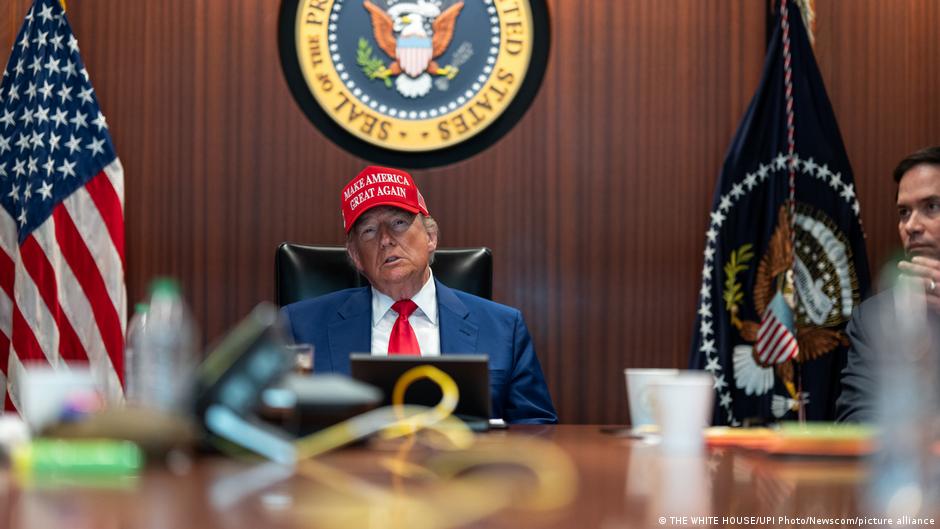
US President Donald Trump has made it clear that he will only enter into an agreement with Iran if Tehran strictly complies with the United States' defined "red lines." A central condition highlighted by the White House is that Iran must never acquire nuclear weapons.
Following a two-hour meeting in the White House Situation Room with his advisers on May 30, President Trump emphasized that any accord reached must be beneficial to the United States and adhere firmly to his established terms. A representative of the White House conveyed this stance to media sources, underscoring the administration's unwavering position on preventing nuclear proliferation in the region.
Negotiation Progress and Financial Implications
Though preliminary framework agreements reportedly exist, final consent from President Trump remains pending. According to reports from the news outlet Axios, citing two anonymous US officials, US and Iranian negotiators have tentatively agreed on broad parameters aimed at ending hostilities. However, the administration has yet to approve these terms officially.
Iranian officials, for their part, acknowledge ongoing communication but indicate that no definitive agreement has been finalized. Esmail Baghai, an official spokesperson for Iran's Ministry of Foreign Affairs, noted that the exchange of messages continues without reaching a conclusive settlement.
"President Trump will only sign an agreement that benefits America and respects his red lines," a White House representative said.
From a financial perspective, the uncertainty surrounding the negotiations remains a key factor for investors assessing the geopolitical risk in the Middle East. Market analysts are closely monitoring these discussions, recognizing that a final agreement could influence oil prices, regional trade, and international investment flows.
Moreover, the U.S. administration's demand that Iran never obtain nuclear weapons introduces a critical compliance benchmark that will likely shape the terms of any future deal. Investors and multinational corporations with exposure to the region are advised to remain vigilant as the situation develops.
As the administration deliberates, the timing and content of a potential agreement will significantly impact not only diplomatic relations but also economic forecasts tied to the stability of global energy markets and international sanctions regimes.