Trump Signs Graham Sanctions Law Targeting Russian Energy Buyers
The measure gives the U.S. president broad discretion to impose 100% tariffs on major purchasers of Russian oil and gas.
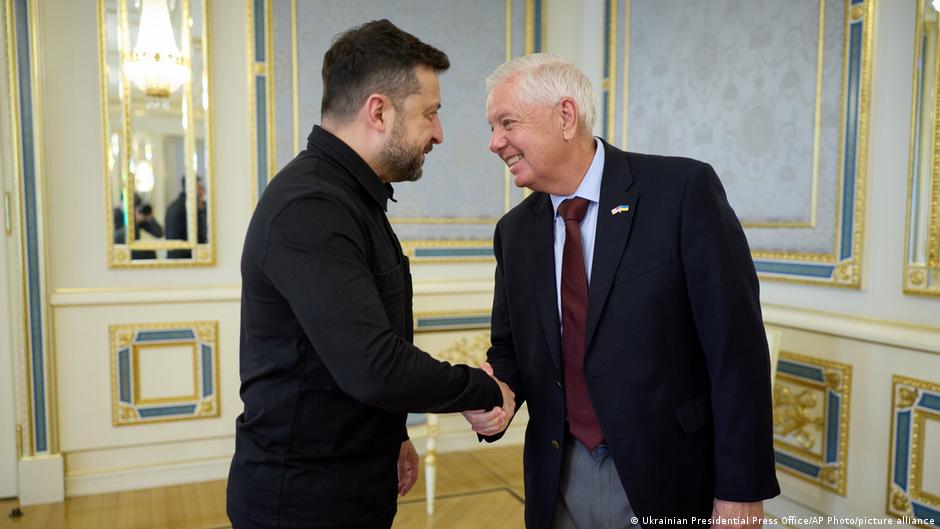
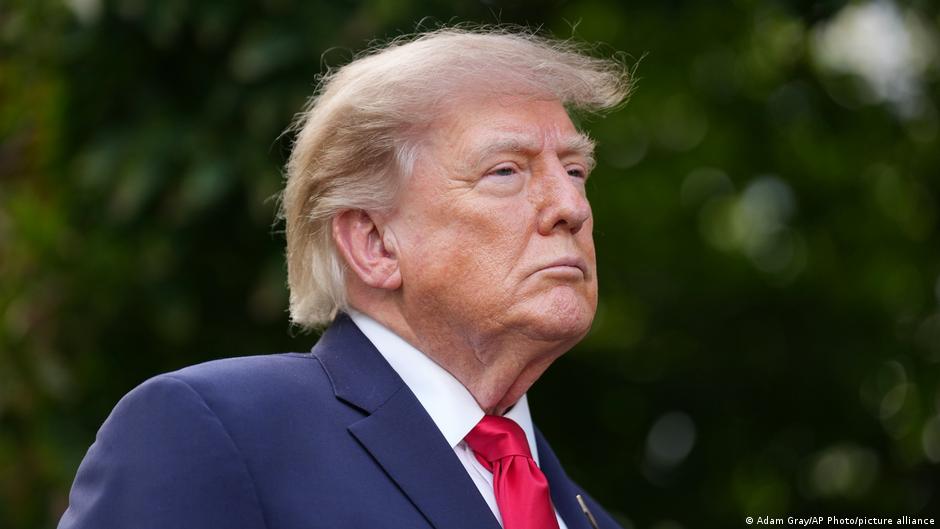
U.S. President Donald Trump on Friday, September 18, signed legislation tightening sanctions on Russia over its continuing war against Ukraine, creating a new financial and trade-risk framework for companies, banks and governments exposed to Russian energy flows.
The law, widely known as the Graham sanctions bill after the late Republican senator Lindsey Graham, allows the U.S. president to impose 100% tariffs on the five largest buyers of Russian oil and gas and on five countries that help Moscow circumvent energy sanctions. The legislation also provides exceptions for countries that receive less than 15% of their natural gas consumption from Russia and are taking steps to reduce those imports.
For energy importers, commodity traders, shipping operators and financial institutions, the bill adds a new layer of compliance uncertainty. Its final version gives Trump authority to decide when to apply or withdraw the measures, a structure that places significant sanctions discretion in the White House rather than requiring the usual coordination with Congress.
Energy Trade Faces New Tariff Exposure
The bill targets the financial channels and trade relationships that continue to support Russian energy exports. In addition to tariff authority over major oil and gas buyers, it provides for sanctions against Russian officials, banks, businesspeople and the so-called shadow fleet used to move sanctioned energy cargoes.
The legislation also extends U.S. sanctions on Iran through 2031, linking the Russia-focused package to a broader sanctions architecture that affects energy markets, cross-border finance and investor assessments of geopolitical risk.
The original version of the bill contemplated tariffs of up to 500% on Russian products while Moscow continued its war against Ukraine and refused peace talks. The president would have been required to assess periodically whether Russia was prepared for dialogue and, if not, impose sanctions. That proposed 500% tariff ceiling led the measures to be described as “hellish.”
During the legislative process, the tariff threshold for importers of Russian oil was reduced to 100%. Even at that lower level, the exposure remains material for countries and companies dependent on Russian energy supplies, especially if U.S. measures affect pricing, insurance, shipping, bank settlement or access to dollar-linked markets.
Presidential Discretion Becomes Central
The bill was introduced in April 2025 by Graham and Democratic Senator Richard Blumenthal. It was later strongly associated with Graham because Trump preferred to discuss the matter with his Republican party colleague, and the sanctions package became known publicly as the Graham sanctions.
Lobbying for the measure lasted about a year and a half. Graham did not live to see its passage; the senator died on July 11, 2026. By the time Trump signed the bill, it had been revised to expand presidential authority substantially.
That change is central for investors and corporate compliance teams. Rather than creating a rigid sanctions schedule, the law allows Trump to decide whether to introduce or cancel the measures included in the bill. The final version also permits the president to use its provisions in the continuation of his trade war against China, widening the possible economic impact beyond Russia-related transactions.
“Life in the United States is too expensive. Why should Congress or the House of Representatives give the president unlimited authority to impose new tariffs around the world that will have negative economic consequences for the American people? I cannot do that,” House Democratic Minority Leader Hakeem Jeffries said.
Jeffries’ criticism highlights one of the principal financial-policy objections to the legislation: the risk that broad tariff powers could raise costs for U.S. consumers and businesses if applied widely across global supply chains. Supporters, however, argue that the law sends an important signal of U.S. support for Ukraine at a time when fighting has intensified.
Ukraine Welcomes Pressure on Moscow
Ukrainian President Volodymyr Zelensky thanked Trump for signing the Graham sanctions law and emphasized the importance of increasing pressure on Moscow to end the war.
“I thank President Trump for signing this extremely important law. I thank all senators and members of the House of Representatives who supported it,” Zelensky wrote on Telegram.
Zelensky also recalled Graham’s view that the United States had enough power to confront dictators and achieve results if it acted in the right way. His response framed the legislation as both a diplomatic signal and a tool of economic pressure.
For markets, the immediate significance lies in the bill’s potential to alter risk calculations around Russian oil and gas. Countries that remain large buyers of Russian energy could face tariff threats, while banks and trading companies may need to reassess counterparties connected to Russian officials, sanctioned institutions, business figures or shadow-fleet logistics.
The exceptions built into the legislation may limit the impact on countries with lower Russian gas exposure and credible plans to reduce imports. Still, the discretionary nature of enforcement means that investors will be watching not only the statute itself but also the White House’s implementation decisions.
The law arrives after months of shifting signals from Trump, who during debate over the Graham-Blumenthal initiative alternately supported and opposed such measures. Its enactment gives the administration a powerful tariff and sanctions instrument, while leaving open how aggressively it will be used and against which economies or sectors.