UK Grants Indefinite License for Importing Russian-Origin Diesel and Kerosene Amid Energy Price Pressures
London issues an open-ended license allowing imports of diesel and aviation kerosene derived from Russian crude via third countries.
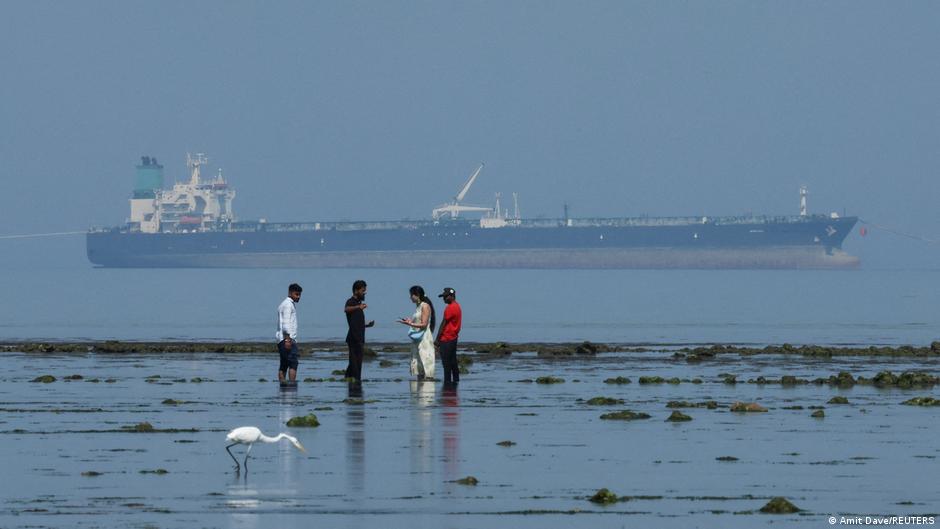
The United Kingdom government has issued an indefinite license permitting the import of diesel fuel and aviation kerosene produced from Russian crude oil in third countries, effective from May 20. This regulatory move allows British firms to import petroleum products of Russian origin circumventing existing sanctions regimes.
Strategic Response to Rising Fuel Prices
The UK’s decision follows escalating fuel costs driven by geopolitical tensions in the Middle East, notably the conflict involving Iran. The government cited intensified pressure on household energy affordability and overall cost of living as motivating factors to ease some restrictions on energy imports.
"The license will be subject to periodic review, reflecting ongoing assessments of market conditions and geopolitical developments," government officials noted.
This measure aligns with recent actions by the United States, which on May 18 extended a license for maritime shipment and sale of Russian-origin oil and petroleum products. The US Treasury specified that the temporary license aims to support vulnerable countries disrupted by supply chain interruptions linked to the Iran conflict.
In addition, the UK government separately authorized maritime transport of Russian liquefied natural gas (LNG) until January 1, 2027, further signaling a nuanced approach to energy security amid sanctions.
Sanctions Context and Market Implications
Since 2022, the UK has prohibited imports of Russian crude oil and coal following Russia’s full-scale invasion of Ukraine. In October 2025, the UK expanded sanctions to include a ban on petroleum products derived from Russian crude processed in third countries, targeting the so-called "shadow fleet" of Russian maritime vessels.
However, the recent surge in Russian oil exports and price hikes—exacerbated by the US-Israel-Iran conflict and strategic disruptions such as the closure of the Strait of Hormuz—have led to record export revenues for Moscow. Bloomberg reports that weekly payments for Russian petroleum exports reached approximately $2.42 billion as of early May.
Washington’s relaxation of sanctions and market openings for Russian crude have contributed to these elevated earnings, influencing the UK’s recalibration of its import policies.
Financial analysts note that this licensing adjustment could moderate domestic fuel price inflation in the UK but may also draw scrutiny from investors monitoring geopolitical risk exposure in energy supply chains.