Ukraine Calls for Ban on Russian Military Participation in UN Missions Amid War Crime Allegations
Ukraine urges suspension of Russian troops from UN peacekeeping roles following documented sexual assault cases during the conflict.
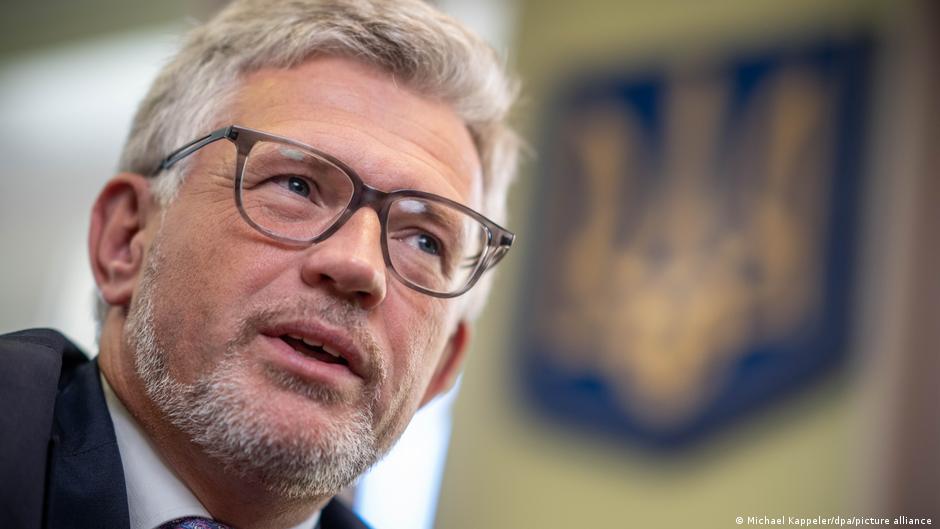
Ukraine has called for the prohibition of Russian Armed Forces personnel from participating in United Nations peacekeeping and police missions, citing documented sexual crimes committed by Russian troops during the ongoing conflict in Ukraine.
Ukraine Pushes for Russian Exclusion from UN Operations
During an emergency meeting of the UN Security Council on June 8, Ukraine's Permanent Representative to the United Nations, Andriy Melnyk, asserted that the Russian military "cannot and should not" be involved in any operations under the UN flag due to their involvement in sexual violence linked to the conflict.
Melnyk urged the international community to bar Russian personnel from all UN peacekeeping and policing missions, emphasizing the need to uphold the integrity and accountability of such operations. "Armed forces, which the Secretary-General recently re-listed for sexual violence related to the conflict, cannot and should not participate in any UN-led operations," he stated.
"It may be time to say goodbye and withdraw from the UN," Melnyk said, suggesting that Russia should consider leaving the organization if it continues to reject UN General Assembly resolutions and the findings of its bodies.
This call follows the publication of a UN report at the end of May that, for the first time, included the Russian army on a blacklist due to verified cases of rape and other sexual crimes against prisoners of war and civilians detained during the war in Ukraine.
Melnyk also criticized the stance of Russia's UN envoy, Vasily Nebenzya, who described the annual UN report on Russian military sexual offenses as an attempt to "discredit Russia."
Escalating Conflict and Impact on Civilians
The emergency Security Council meeting was convened at Ukraine's request following a recent wave of intense Russian attacks, marking some of the most severe since the full-scale invasion began. According to Ukrainian authorities, these strikes on the night of June 2 resulted in at least 22 deaths in Kyiv and Dnipro, with over 100 injured nationwide—primarily in the Kyiv region.
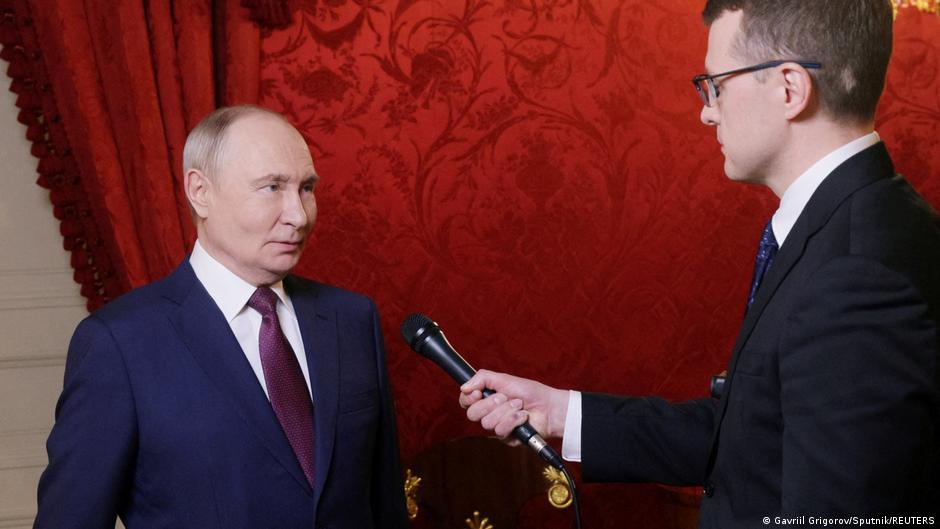
Melnyk highlighted Russia's refusal to pursue peace initiatives, noting that Ukraine had proposed a meeting between the two leaders on neutral ground, which Russian President Vladimir Putin has repeatedly declined.
The ongoing conflict and accompanying allegations of war crimes have led to increased scrutiny of Russia’s role within international institutions, particularly the United Nations, where its participation in peacekeeping operations is now under question.