Ukraine Denies Trump Proposed Moscow Talks as Energy Risks Weigh on Markets
Kyiv rejected a Bloomberg report about a proposed Zelensky-Putin meeting in Moscow as diplomacy intersects with fuel-price pressures.
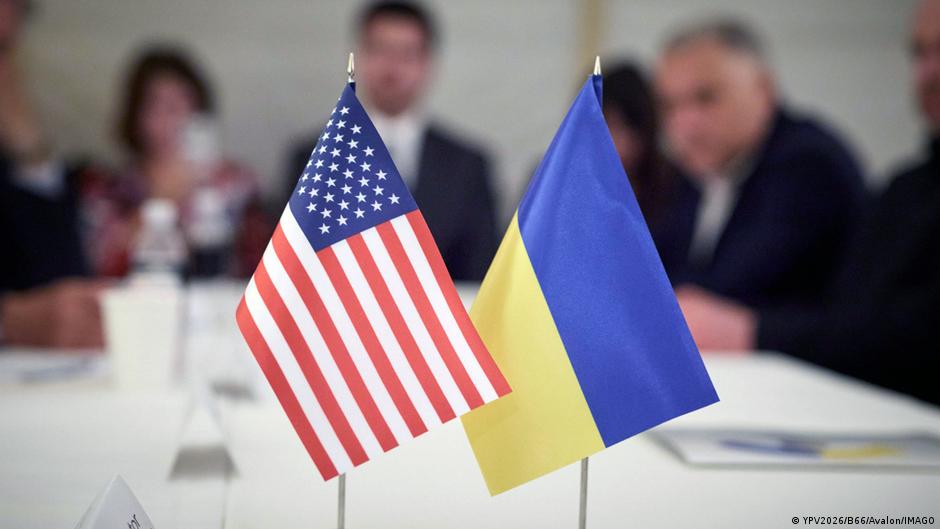
Ukraine’s presidential office has denied a report that U.S. President Donald Trump proposed that Ukrainian President Volodymyr Zelensky travel to Moscow for talks with Russian President Vladimir Putin, a claim that had drawn attention as investors monitor the geopolitical risks feeding into energy markets.
The denial followed a Bloomberg report, citing sources, that Trump made the suggestion during a meeting with Zelensky on the sidelines of the United Nations General Assembly in New York. According to the report, Zelensky declined the proposal, and people close to the Ukrainian leader told the agency that he was upset by the idea.
“This is false information,” Dmytro Lytvyn, an adviser to the Ukrainian president on communications, told Ukrainska Pravda, commenting on the Bloomberg report.
The episode adds another layer of uncertainty to diplomatic efforts surrounding the war, with financial markets particularly sensitive to any developments affecting fuel supply, infrastructure risk, and expectations for energy prices. Bloomberg reported that Washington has been pressing Moscow and Kyiv to reach an agreement to halt attacks on energy facilities against the backdrop of rising global diesel prices.
Energy Infrastructure Remains a Market Variable
For investors and corporate finance teams, the diplomatic details matter because attacks on energy assets can influence commodity pricing, transport costs, and inflation assumptions. Diesel is a critical input for logistics, agriculture, mining, construction, and military operations, making global price increases a material concern for balance sheets and quarterly planning across multiple sectors.
According to the Russian-language source report, Zelensky and Russian Foreign Minister Sergei Lavrov held separate meetings in New York this week with representatives of the Trump administration. The reported U.S. focus on limiting strikes against energy infrastructure suggests that Washington is treating fuel-market stability as a practical component of its diplomacy, even as broader political negotiations remain unresolved.
On Sept. 25, Zelensky said that trilateral technical-format talks between the United States, Ukraine, and Russia could take place in the United Arab Emirates. The Kremlin, however, rejected a recent Ukrainian proposal to hold talks on ending the war during the G20 summit in Miami, where Washington had invited Putin.
Russia has repeatedly insisted that a meeting between Putin and Zelensky would be possible only in Moscow. On Sept. 23, Kremlin spokesman Dmitry Peskov said the Ukrainian president, “if he wants,” could come to Moscow, where he would be provided with the necessary security guarantees.
Diplomacy and Investor Visibility
The dispute over whether Trump proposed a Moscow meeting underscores the limited visibility investors face when assessing the trajectory of the war and its economic spillovers. Public denials, anonymous sourcing, and competing diplomatic signals can complicate risk models, especially for companies exposed to energy, shipping, insurance, and emerging-market financing.
The source report also noted earlier exchanges concerning a possible direct meeting between the Ukrainian and Russian presidents. In June, Putin said Zelensky had asked him for a personal meeting through one of Russia’s businessmen. Zelensky later said he had passed a message to the Kremlin leader through Roman Abramovich.
For markets, the immediate takeaway is not a confirmed shift in negotiating positions but the persistence of diplomatic movement around the conflict’s economic pressure points. Any credible arrangement to reduce attacks on energy infrastructure could affect fuel-price expectations, while failed or disputed initiatives may reinforce volatility premiums already embedded in energy and transport costs.
The Ukrainian presidential office’s denial narrows the confirmed record: Kyiv says Trump did not propose that Zelensky travel to Moscow for talks with Putin. At the same time, the broader diplomatic context remains active, with the United States, Ukraine, and Russia all linked to potential technical talks and competing proposals over venue, format, and security guarantees.