Ukraine Parliament to Weigh Budget Bills Tied to Western Financing
President Volodymyr Zelensky said seven difficult measures are needed to unlock partner funding and address Ukraine’s defense budget gap.
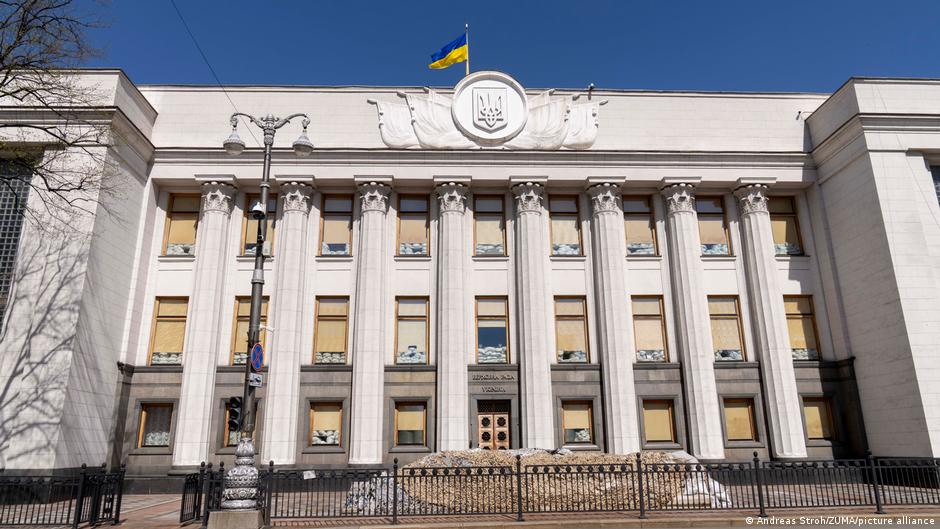
Ukraine’s parliament is set to consider a package of seven bills this week that President Volodymyr Zelensky described as necessary to close a hole in the state budget and unlock billions of dollars in support from Western partners.
Zelensky announced the expected votes in a Telegram post on Tuesday evening, September 15, framing the legislation as a condition for external financing at a time when Ukraine’s public finances remain under heavy pressure from the war. According to the president, all seven draft laws mean “money for Ukraine from its partners,” with most of the measures expected to be reviewed in a first reading.
The planned parliamentary agenda places fiscal governance, defense funding and international financing commitments at the center of Ukraine’s near-term investor and donor relations. Kyiv is seeking to demonstrate that it can meet the legislative conditions attached to multibillion-dollar assistance while maintaining its defense capacity and supporting recovery needs.
“Some of these things may be difficult, unpleasant and unpopular,” Zelensky wrote, adding that without them Ukraine cannot meet defense needs or ensure its ability to recover.
Budget Gap Drives Legislative Push
Zelensky said the bills are matters of national importance and suggested that approval by lawmakers could allow Kyiv to receive aid amounting to several billion U.S. dollars. He did not identify every measure in the post, but linked the package directly to partner funding and the government’s effort to cover a shortfall in public finances.
For Ukraine’s fiscal position, the timing is significant. The country’s budget has been strained by rising defense requirements, pressure on export revenues and damage to key industries. The financing need is not simply a routine quarterly budget adjustment; it reflects the continuing mismatch between wartime expenditure and the domestic revenue base available to fund it.
AFP has noted that Ukraine’s budget shortfall was formed largely because of an estimated 23 billion euro gap in the defense sector. The agency also reported that Ukraine is facing a worsening economic situation, with Russian attacks damaging the economy, especially metallurgy, and contributing to lower agricultural export volumes.
Those pressures matter for Ukraine’s broader financial reporting profile. Lower exports weaken foreign-currency inflows and reduce fiscal flexibility, while damage to industrial assets affects tax receipts, employment and the balance sheet of the broader economy. At the same time, defense outlays remain elevated, creating a structural reliance on external budget support from Western governments and institutions.
Partner Financing and Conditions
The pending bills also highlight how Ukraine’s external financing is increasingly tied to legislative deliverables. In late August, during a visit to Kyiv by the leaders of Denmark, Latvia, Lithuania, Norway, Finland and Estonia, Zelensky said he expected 30 billion euros from the European Union as part of a two-year, 90 billion euro loan.
At that time, Zelensky said the release of funds was linked to “the adoption of relevant legislation.” He also stressed that the entire parliament, including the opposition, needed to work on the measures because the funds were not money held by either the authorities or the opposition, but were needed for the defense of the whole country.
That message was repeated in financial terms this week: lawmakers face legislation that may be politically unpopular but is presented as essential to securing budget inflows. For creditors, donors and investors monitoring Ukraine’s fiscal risk, the votes will serve as a signal of whether the political system can meet financing conditions under wartime pressure.
The structure of the expected EU loan also puts emphasis on medium-term financing visibility. A two-year, 90 billion euro facility, with 30 billion euros expected by Kyiv, would help address immediate liquidity needs while giving Ukraine a clearer path to fund military and recovery obligations. However, the linkage to legislation means disbursement risk remains connected to domestic parliamentary execution.
Defense Spending Remains the Core Pressure
Zelensky previously estimated Ukraine’s Defense Ministry budget deficit at 27 billion dollars, or more than 23.1 billion euros. He said the shortfall emerged partly because of overspending in the first half of the year. That figure places the defense budget at the center of Ukraine’s fiscal stress and explains why the government is emphasizing rapid legislative action.
The president also said Ukraine needs 8 billion to 10 billion dollars to prepare the army by January 2027. In addition, he pointed to nearly 20 billion dollars needed for other purposes, including payments of salaries to military personnel and benefits to the families of those killed.
Those figures show the scale of Ukraine’s wartime obligations. Payroll, military readiness, family payments and recovery spending are recurring or politically sensitive liabilities, not discretionary projects that can easily be postponed. That makes external financing central to the country’s cash management and budget planning.
For Ukraine’s partners, the legislative package is likely to be read through both fiscal and political lenses. Passage would support Kyiv’s case that it can implement conditions attached to support packages. Delay or failure would raise questions about the timing of disbursements and the state’s ability to bridge its financing gap without further pressure on reserves, borrowing or domestic budget priorities.
The parliamentary review this week therefore carries consequences beyond the wording of individual bills. It is a test of Ukraine’s ability to convert political consensus into balance-sheet support at a moment when the defense deficit, export weakness and reconstruction demands are all competing for scarce funding.