UN Faces Imminent Bankruptcy Amid Delayed Payments from US and China Impacting Financial Stability
The UN struggles with a cash crisis as major contributors delay payments, forcing budget cuts and operational scaling back.
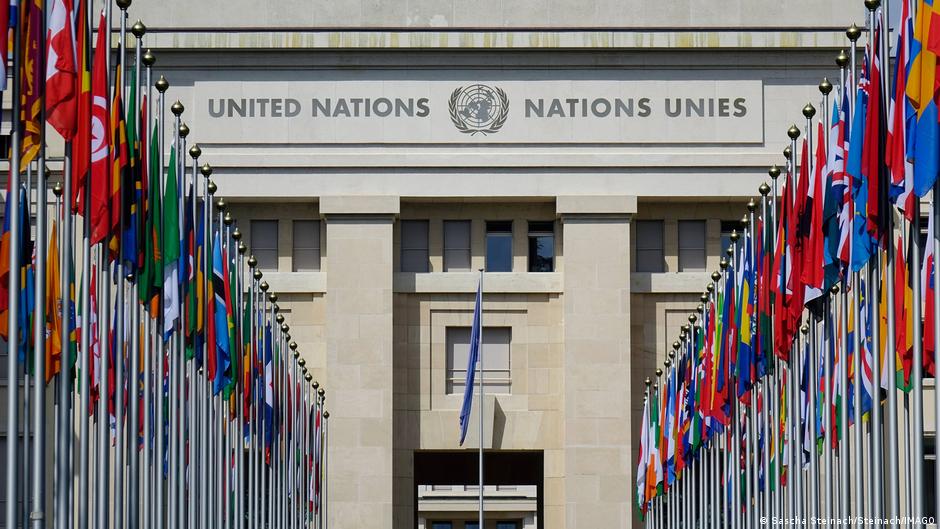
The United Nations is on the brink of bankruptcy due to delayed payments from the United States and China, which together account for 42% of the organization's budget revenue, according to reports from The Wall Street Journal.
The financial shortfall stems primarily from Washington's outstanding debt to the UN exceeding $4 billion, while Beijing still owes $455 million despite a recent payment of nearly $850 million made during Chinese Foreign Minister Wang Yi's visit to the UN headquarters in New York. China has pledged to fulfill its financial obligations, describing itself as a "de facto main financial sponsor" of the organization.
The United States has linked its future financial support to mandatory cost-cutting measures within the UN, including workforce reductions, limiting business-class flights, and increased use of machine translation services to reduce expenses.
Budget Cuts and Operational Impact
Other major donors have also reduced their financial support. The UK and Germany have scaled back funding for humanitarian programs targeting hunger and disease, citing budgetary constraints. Meanwhile, Sweden and the Netherlands have decreased contributions due to political shifts toward the right, according to the WSJ.
UN Secretary-General António Guterres warned in October 2023 that the organization was "in a race to bankruptcy," highlighting a "very real prospect of financial collapse." Current forecasts indicate that the UN’s funds could be depleted by mid-August 2024, intensifying concerns about leadership succession since a new Secretary-General must be confirmed by the end of 2026.
"The UN is confronting an unprecedented financial crisis that jeopardizes its ability to maintain global operations and peacekeeping missions," said an expert on international organizational finance.
To contend with the funding crisis, the UN has implemented large-scale budget cuts, including closing some offices and cutting a record 3,000 positions in the Secretariat. Operationally, shifts for translators have been reduced, escalators have been turned off in headquarters buildings, and planned renovations of the New York headquarters facade were delayed.
Additional austerity measures include accelerating troop withdrawals from conflict zones in Africa and sharply reducing peacekeeping expenditures. Payments to Nepal, Bangladesh, and other developing countries providing troops for UN peacekeeping missions have been postponed.
Notably, the UN is unable to secure credit and has limited authority to restructure operations or reduce staff salaries, which constitute 70% of its expenses. Past attempts to save costs, such as closing a secure entrance at headquarters to save $700,000, were reversed by diplomatic opposition.
The financial instability raises significant concerns about the UN's ability to fulfill its mandates and maintain global peace and security initiatives without immediate resolution of the budget crisis.