United Russia Leads Duma Vote Count as Political Risk Metrics Shift
With 82.19 percent of protocols processed, the ruling party is on course for a constitutional majority in Russia’s lower house.
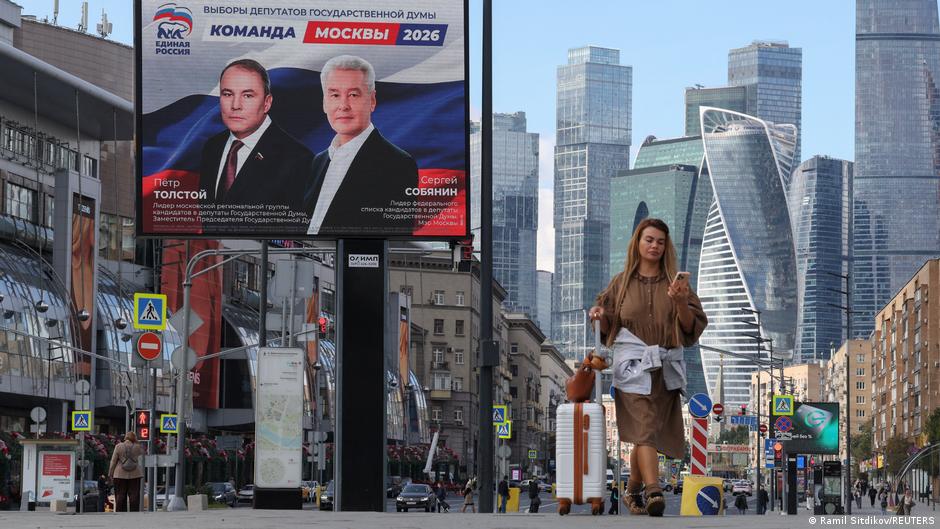
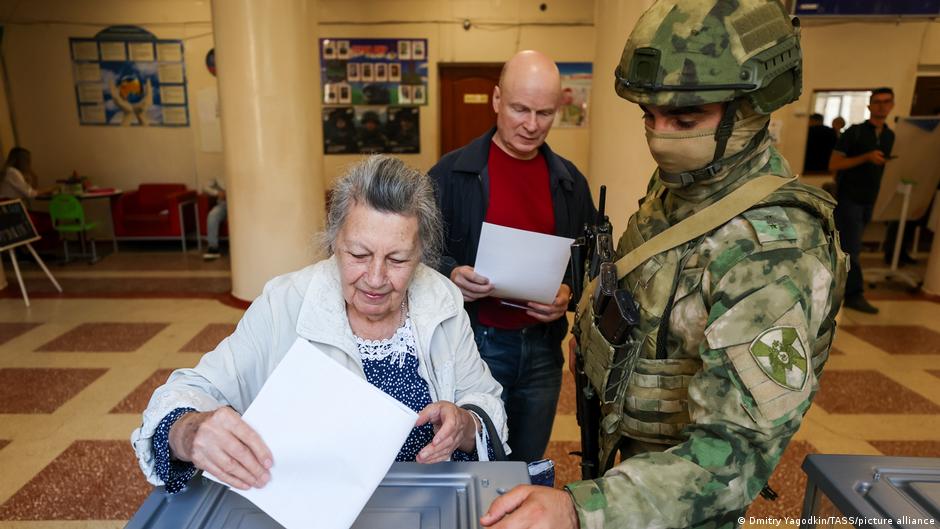
Russia’s ruling United Russia party is leading the vote count in elections to the ninth convocation of the State Duma, according to figures reported by the Central Election Commission after 82.19 percent of protocols had been processed. The result, if maintained, would reinforce the governing party’s control of the lower house of parliament and preserve the political framework within which companies, investors and state-linked institutions assess legislative risk.
United Russia was credited with 57.76 percent of the vote in the count announced overnight into Monday, September 21. The Communist Party of the Russian Federation, or CPRF, was in second place with 13.89 percent. The Liberal Democratic Party of Russia, or LDPR, stood third with 8.77 percent, followed by New People with 7.97 percent and A Just Russia with 4.99 percent.
For financial market observers, the headline figure is not simply the ruling party’s vote share but the potential scale of its parliamentary control. Candidates from United Russia were also leading in 208 of the 225 single-mandate districts. On that basis, the party is expected to secure more than 301 seats, the threshold required for a constitutional majority in the State Duma.
United Russia was reported at 57.76 percent after 82.19 percent of protocols had been processed, according to the Central Election Commission figures cited in the source report.
Parliamentary Control and Policy Continuity
The projected result points to continuity in Russia’s legislative environment. A constitutional majority would allow the ruling party to maintain broad control over the passage of laws, constitutional-level decisions and the institutional agenda affecting public finance, regulation and state policy. For issuers, lenders and investors with exposure to Russia, such an outcome would be read as a signal that the existing policy direction is likely to remain intact.
The vote share also marks a reported increase from the previous State Duma election in 2021, when United Russia received 49.82 percent of the vote. In the current count, the party’s 57.76 percent showing represents a stronger national vote position, based on the Central Election Commission data cited after more than four-fifths of protocols had been processed.
The performance of smaller parties remains material to the composition of the legislature. A Just Russia, reported at 4.99 percent, was at risk of failing to clear the five percent threshold, according to the data. If the party remains below that level in the final count, the distribution of proportional representation seats could further affect the balance among parties represented in the Duma.
New People, at 7.97 percent, was positioned in fourth place in the reported count, while the LDPR stood at 8.77 percent. The CPRF, traditionally the main parliamentary opposition force, remained second with 13.89 percent. The results, as presented, suggest that parties operating within the existing parliamentary system continue to dominate the formal electoral field.
Governance Risk and External Reactions
This election cycle also carries broader governance and reputational implications. The voting was held over three days and, according to the source report, also took place in Ukrainian territories occupied by Russia. That fact is likely to remain central to the way foreign governments, international institutions and companies with compliance exposure assess the legitimacy and risk profile of the election process.
The only major party described in the source as having opposed the war, Yabloko, was removed from the election. That development adds to concerns about political competition and the range of views represented in the formal electoral process. For investors and companies engaged in monitoring country risk, such constraints can influence assessments of institutional stability, sanction exposure and long-term predictability.
Germany and the European Union criticized the Russian parliamentary elections, pointing to what they described as their staged nature and to repression against the opposition. Those external reactions are relevant not because they change the vote count itself, but because they affect the surrounding diplomatic and regulatory environment in which cross-border capital, trade and corporate reporting decisions are made.
From a financial reporting perspective, the emerging result reduces uncertainty about the near-term parliamentary balance but does not remove wider political risk. Companies operating in or exposed to Russia will continue to account for sanctions, reputational risk, legal restrictions and the governance implications of decisions made by a parliament expected to remain firmly under ruling-party control.
The Central Election Commission figures cited in the report remain based on a partial count of 82.19 percent of protocols. Final results may adjust party percentages and seat allocations. However, the scale of United Russia’s reported lead, combined with its advantage in single-mandate districts, indicates that the ruling party is positioned to retain dominant influence in the State Duma.