US and Iran Agree to Temporary Ceasefire Amid Ongoing Strait of Hormuz Negotiations
The US and Iran have agreed to suspend attacks until June 30, ahead of talks on resuming shipping in the strategic Strait of Hormuz.
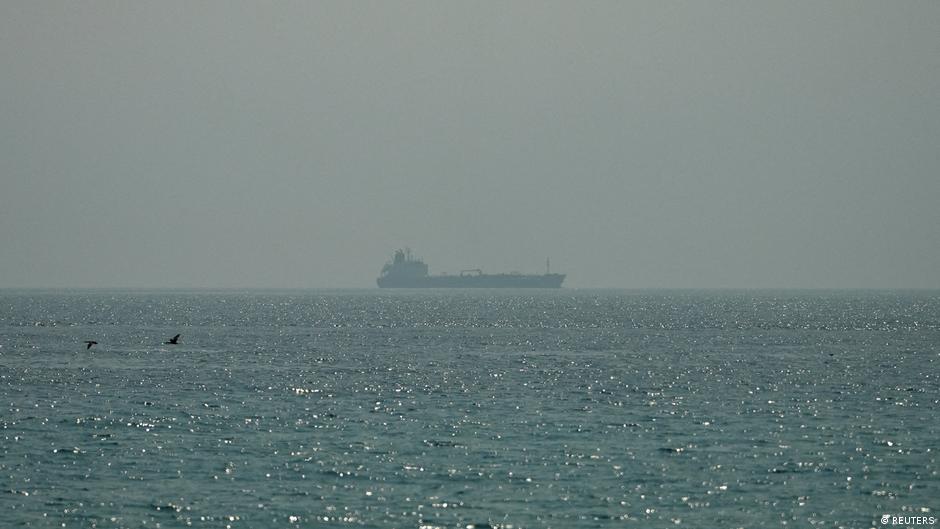
Following a series of recent military exchanges, the United States and Iran have agreed to halt attacks on each other until at least June 30, coinciding with planned negotiations in Qatar regarding maritime navigation through the Strait of Hormuz, according to sources in Washington.
Impact on Energy Markets and Shipping Routes
The Strait of Hormuz is a crucial maritime passage for oil exports from the Persian Gulf. Currently, it remains only partially open, as Iran insists that vessels coordinate their routes with its military authorities. Tehran has not authorized full clearance operations to remove mines from the strait, restricting commercial shipping to two narrow corridors. This limitation has caused shipping volumes to fall below half of their pre-conflict levels, despite US President Donald Trump's statements declaring the strait fully open.
"The ongoing restrictions and partial control over the Strait of Hormuz have directly influenced the volume and security of vital oil shipments," analysts note.
Between June 26 and 27, despite the announced ceasefire, there was a significant exchange of strikes. The US targeted several Iranian coastal bases in retaliation for Iranian attacks on two commercial vessels transiting the strait, which Iran justified by claiming the ships deviated from routes authorized by the Islamic Revolutionary Guard Corps. Iran subsequently launched strikes on US military bases in Kuwait and Bahrain, reportedly causing substantial damage at the latter.
Both sides have at times threatened to end the ceasefire officially in place since April 8, highlighting persistent volatility in the region.
Financial Market Responses and Outlook
Global markets have been anticipating the reopening of the Strait of Hormuz, one of the world's most important oil transit chokepoints. After the announcement of a "memorandum of understanding" between the US and Iran on June 17, oil futures prices declined notably. On June 24, Brent crude oil prices dropped to $73.22 per barrel, the lowest since February 27, just before the onset of strikes by the US and Israel against Iran. West Texas Intermediate (WTI) crude fell to $69.87 per barrel on the same day.
The ceasefire is provisional. Within 60 days of signing the memorandum, the parties must reach agreements on several critical issues including Iran's nuclear program, the withdrawal of US troops from neighboring countries, and whether Iran will levy fees on vessels transiting the Strait of Hormuz. No updates have been reported regarding progress in these areas since the memorandum was signed.
Investor relations and stakeholders in the energy sector remain cautious as the evolving geopolitical situation could continue to impact oil supply stability and market prices.