U.S. Caribbean Strike Adds Legal and Budget Scrutiny to Drug Campaign
The U.S. military said four people were killed in a strike on an alleged drug-running vessel, extending a year-long campaign now drawing international law concerns.

The U.S. military has reported another lethal strike on a vessel in the Caribbean Sea that it said was carrying drugs, an operation that killed four people and added to the mounting human, legal and budgetary scrutiny surrounding Washington's maritime interdiction campaign.
U.S. Southern Command said on Saturday, September 19, that American forces had carried out a "lethal strike" against a speedboat that was traveling along routes used for illegal drug trafficking in the Caribbean. The command said the vessel had been linked to narcotics trafficking through intelligence, and that four people it described as "narco-terrorists" were killed in the operation.
"Credible intelligence confirmed this vessel's involvement in drug trafficking. During the operation, four narco-terrorists were eliminated," the military said.
Video published on the social media platform X showed a moving vessel that then disappeared in a bright flash. The U.S. side did not present evidence proving the vessel's involvement in drug trafficking.
For investors and budget analysts, the latest strike is another data point in a campaign that has extended for more than a year and may carry implications for defense appropriations, oversight spending and diplomatic risk. While the operation itself was framed by the military as a counter-narcotics action, the growing number of strikes raises questions about the financial and institutional cost of sustaining such a tempo in the Caribbean region.
Campaign Scale Becomes a Budget and Oversight Issue
According to the Associated Press, including this latest case, the total number of people killed in U.S. military strikes on vessels of alleged drug traffickers in the Caribbean has reached at least 231. The agency calculated that 69 such strikes have been carried out as part of a campaign that has already lasted more than a year.
Those figures create a measurable operating profile for the campaign, even though the source article does not specify the cost per mission, the assets used, or the budget line items involved. For financial reporting, the scale matters because recurring military operations can affect congressional funding requests, maintenance cycles, personnel demands and procurement assumptions. A campaign involving dozens of strikes is not merely an isolated tactical event; it becomes an ongoing operational commitment with potential consequences for defense planning and investor perceptions of the security environment.
Defense contractors, logistics providers and companies exposed to maritime routes in the Caribbean may watch such developments differently from policymakers. The article does not identify any companies or contracts tied to the operation, and no financial figures were released. Still, extended regional deployments can influence demand for surveillance, intelligence, targeting, communications and naval support systems. At the same time, legal controversy can generate headline risk around defense policy and government contracting debates.
The absence of publicly presented evidence also has financial-reporting relevance. In capital markets, transparency affects risk assessment. When a government campaign expands without detailed public evidence in each case, investors and analysts may place greater emphasis on oversight mechanisms, congressional inquiries, and the possibility of international legal challenges. Those factors can shape the political environment in which defense budgets are debated.
Trump's Statement and International Law Concerns
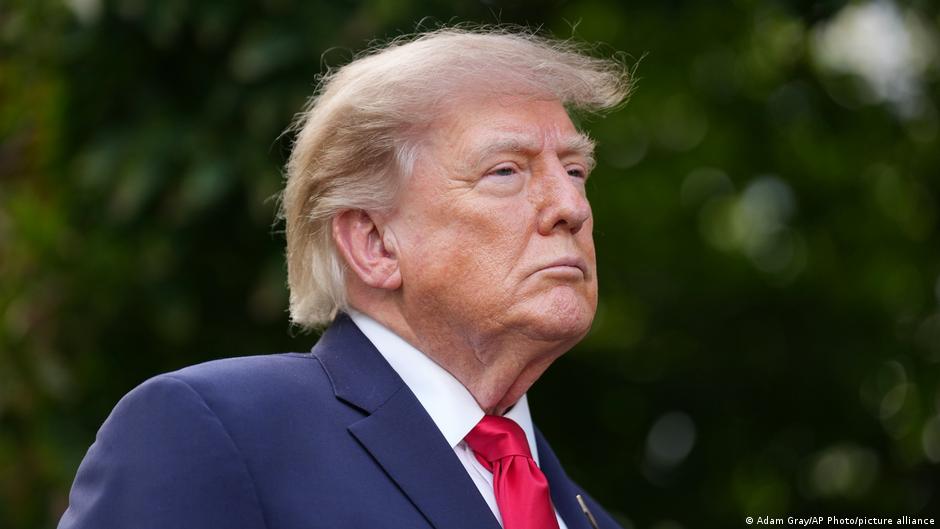
The latest strike follows earlier political statements about the U.S. approach to drug trafficking from Venezuela. On October 23, 2025, at a White House press conference, U.S. President Donald Trump said the American military would "kill people" who bring drugs into the country from Venezuela.
That statement, combined with the reported number of maritime strikes, has placed the campaign under heightened human rights scrutiny. On October 31, 2025, United Nations High Commissioner for Human Rights Volker Türk said U.S. attacks on vessels "allegedly linked to drug trafficking" violate international law. Türk called for immediate, independent and transparent investigations into the attacks.
For a financial audience, the legal dimension is not separate from the fiscal one. International law challenges can lead to hearings, reporting requirements, restrictions on funding, or changes in rules of engagement. None of those outcomes is stated as having occurred in the source material, but the call for investigations signals a potential oversight path that could affect the durability and cost structure of the campaign.
Government operations of this kind also sit at the intersection of national security, public finance and investor relations for the defense sector. Public companies do not need to be named in a specific strike for the broader policy environment to matter. If the campaign continues, analysts may monitor whether U.S. defense budget documents, quarterly contractor commentary, or congressional appropriations language begin to reference expanded counter-narcotics operations in the Caribbean.
At present, the publicly reported facts remain limited: the U.S. military says it struck a speedboat on routes used for illegal drug trafficking, four people were killed, and the American side did not provide evidence proving the vessel's connection to narcotics trafficking. Associated Press figures place the broader campaign at at least 231 deaths and 69 strikes over more than a year. The United Nations human rights chief has said such attacks violate international law and has called for transparent investigations.
The financial significance lies in the accumulation of those figures. A single strike can be treated as a security event; 69 reported strikes over more than a year become a recurring program with policy, budget and reputational implications. As the campaign continues, investors and financial reporters are likely to track whether operational tempo, legal pressure and public accountability begin to affect U.S. defense spending priorities and the wider risk profile of Caribbean security operations.