US Court Strikes Down Trump-Era $100,000 H-1B Visa Fee as Unauthorized Tax
Federal judge rules that the $100,000 H-1B visa application fee imposed under Trump exceeded executive authority and is unlawful.
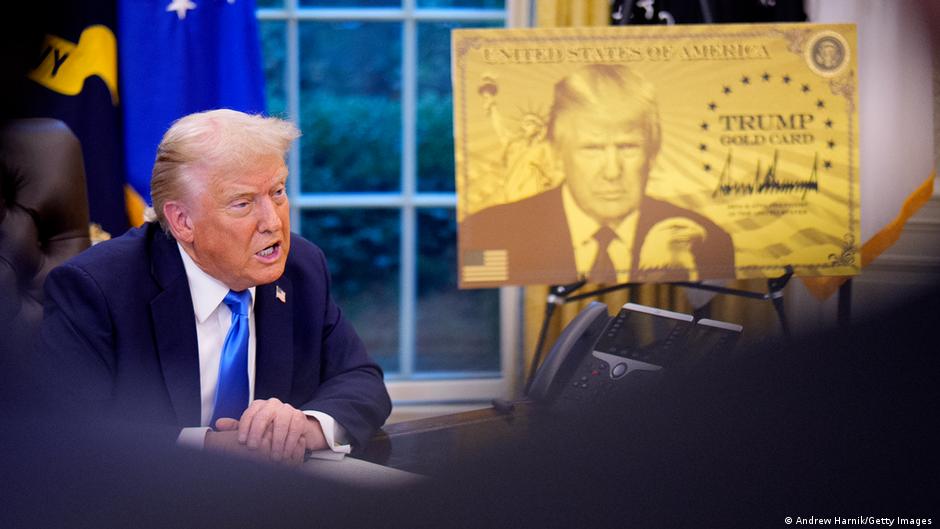
A federal judge in the United States has invalidated the $100,000 fee imposed on H-1B work visa applications for highly skilled professionals, a policy introduced during Donald Trump's presidency.
On Monday, June 8, U.S. District Judge Leo Sorokin ruled that the Trump administration's September 2025 regulation implementing a $100,000 filing fee for H-1B visa applications was unlawful, deeming it an unauthorized tax beyond presidential powers.
The ruling came after a lawsuit filed by 20 U.S. states challenged the fee's legality. Judge Sorokin stated, "The President did not have the authority or delegated power to impose a tax on H-1B visa applications," emphasizing that the fee functioned as an illegal tax rather than a regulatory charge.
Previously, a different federal judge had upheld the legality of the $100,000 fee, but that decision is currently under appeal.
Financial and Industry Implications of the Visa Fee Reversal
H-1B visas, used primarily by large technology companies, allow highly skilled foreign professionals — particularly from India, which accounts for nearly 75% of approved applicants — to work in the United States. The Trump administration's move to raise the fee from less than $5,000 to $100,000 was part of a broader effort to prioritize American workers by disincentivizing the hiring of foreign talent.
"This fee essentially acted as an unauthorized tax, imposing a significant financial burden on companies seeking top-tier foreign talent," said Judge Sorokin in his decision.
From a financial reporting perspective, the rescission of the high visa fee could materially impact the expenses related to talent acquisition for U.S. companies reliant on H-1B workers. Firms budgeting for increased costs in visa-related legal and filing fees may now anticipate lower expenses, potentially improving operating margins.
Investor relations teams in tech and other sectors employing international talent will need to monitor regulatory developments closely, as further legal challenges and political shifts could influence workforce strategies and associated costs.
The reversal also signals ongoing volatility in immigration policy, necessitating adaptive financial planning to mitigate risks linked to changes in workforce composition costs.