U.S., Denmark and Greenland Outline Arctic Security Deal With No U.S. Cost
The proposed arrangement would expand Washington’s military footprint in Greenland while raising investor focus on Arctic security, fiscal capacity and critical minerals.
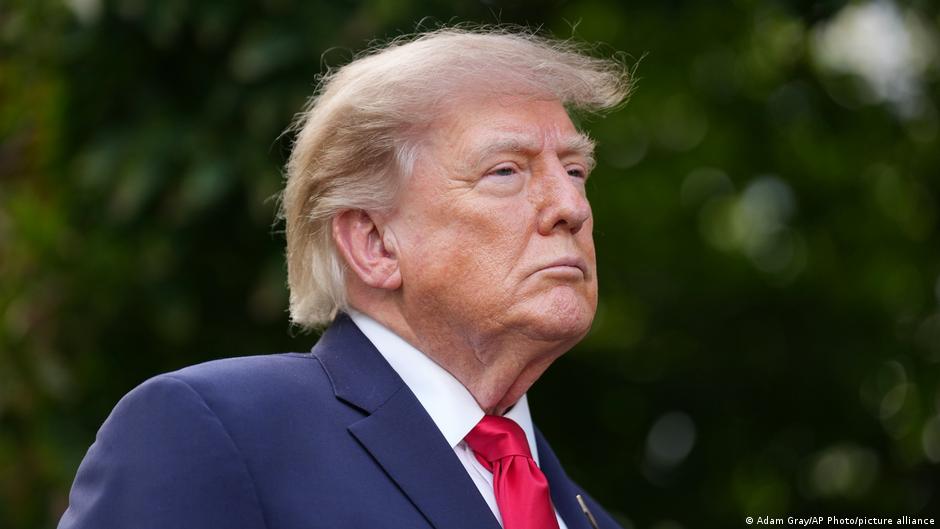
President Donald Trump said the United States has reached an agreement with Denmark and Greenland to expand the U.S. military presence on the island, presenting the arrangement as a long-term security commitment that would carry no direct cost for Washington. The announcement, made on Truth Social on Friday evening, September 18, framed Greenland as a strategic asset in the Arctic and North Atlantic at a time when security, infrastructure and resource access are increasingly tied to government balance sheets and investor risk assessments.
Trump wrote that the agreement would allow the United States to maintain “permanent control over security and all other needs in Greenland.” He said Washington had received an indefinite right to do whatever is necessary in Greenland to ensure and protect the security of both the island and the United States. According to Trump, adversaries of the United States would be unable, without U.S. approval, to establish military bases in Greenland or make “sensitive investments” in the autonomous Danish territory.
For investors and financial analysts, the most immediate feature of the announcement is the cost claim. Trump said the deal would “cost nothing” for the United States, a point later reinforced by Secretary of State Marco Rubio. That assertion is likely to draw scrutiny because an expanded military presence typically carries operating, logistics, infrastructure and personnel expenses, even when the formal agreement does not require an acquisition payment or direct transfer to the host government.
Fiscal Capacity and Security Commitments
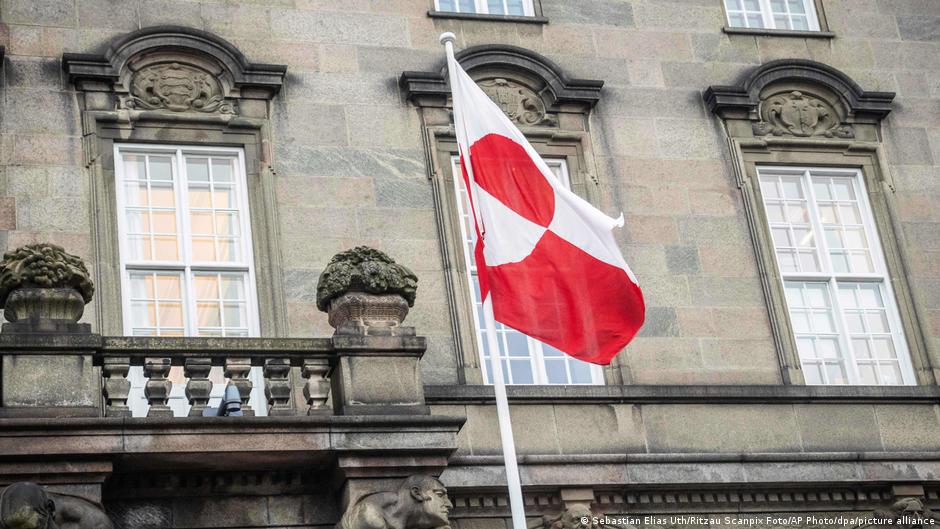
The governments in Copenhagen and Nuuk welcomed the understandings with Washington, but their wording suggested the agreement may not yet be fully executed. A joint statement from Denmark and Greenland was described as a press release concerning an “expected agreement” with the United States, which may indicate that the documents themselves have not yet been signed. That distinction matters for financial reporting because final terms, budget obligations, liabilities and implementation timelines can determine whether the deal becomes a material fiscal or strategic commitment for any of the parties.
Danish Prime Minister Mette Frederiksen said the agreement would benefit NATO by strengthening “our shared security in the Arctic and in the North Atlantic region.” At the same time, the joint statement from Copenhagen and Nuuk emphasized that the understandings recognize Denmark’s sovereignty and territorial integrity, as well as the right of the Greenlandic people to self-determination.
Greenland Prime Minister Jens-Frederik Nielsen said the arrangement “ensures and strengthens the security of Greenland, the Kingdom of Denmark, the United States and the Western alliance.” He added that it also recognizes Greenland’s interests and the autonomous region’s place in international cooperation.
“Denmark and Greenland understand that they do not have the necessary financial resources to defend Greenland in the event of an attack or threat. The United States has the necessary resources,” Rubio said, according to Fox News Digital.
Rubio called the Greenland deal a “huge victory” for the United States and Americans. He said it would “forever guarantee” U.S. security interests in the Arctic without any cost to American taxpayers. His comments put the financial rationale at the center of the agreement: Denmark and Greenland, in this framing, face a defense funding gap that Washington is prepared to fill through its own capabilities rather than through a conventional purchase or direct subsidy structure.
Arctic Risk, Investment Controls and Minerals
The proposed deal also introduces a potentially significant investment-screening element. Trump said opponents of the United States would be blocked from creating military bases in Greenland or making sensitive investments there without U.S. approval. That language points to a broader financial and regulatory dimension: capital flows into Greenland, particularly into infrastructure, ports, telecommunications, energy and mining, could become more closely tied to U.S. national security priorities.
Greenland’s importance extends beyond its location near North America and the North Atlantic. Officials close to Trump have repeatedly noted that the island is rich in rare earth resources, even as Trump has publicly justified his interest in Greenland on security grounds. Rare earths are critical inputs for defense systems, electric vehicles, renewable energy equipment and advanced electronics, making Greenland’s resource base relevant to supply-chain resilience and long-term industrial policy.
If implemented, the agreement could affect the investment climate around Greenland by reducing certain geopolitical risks while increasing scrutiny of foreign capital. Companies and lenders considering projects in the autonomous region may need to evaluate not only commercial feasibility and environmental permitting, but also whether counterparties or financing sources could be viewed as sensitive under a U.S.-aligned security framework.
The arrangement may also reshape how NATO members account for Arctic defense burdens. Rubio’s comments explicitly link the deal to the financial capacity of Denmark and Greenland, suggesting that Washington sees its role as underwriting security in an area where local resources are limited. Whether that translates into new appropriations, reallocation of existing U.S. defense spending or off-budget commitments remains unclear from the statements released so far.
Trump said the United States would immediately begin expanding its military presence in several parts of Greenland. He also praised himself for reaching a deal that, according to him, his predecessors had failed to conclude for 100 years, adding that the results would be highly valued by the American people.
The announcement may mark the end of Trump’s years-long pursuit of control over Greenland, an island located off the coast of North America but part of Denmark. During his first term, Trump said he wanted to buy Greenland. After returning to the White House, he increased pressure on Denmark and its European allies, including threats of large customs tariffs. Those earlier tactics made the latest announcement especially notable for markets and policymakers because negotiations with Washington under Trump have repeatedly collapsed at the last moment, followed by accusations that the White House tried to change deal terms at the “last minute.”
For now, the key financial question is whether the agreement’s final documentation supports the public claim of no U.S. cost, and how any expanded American presence will be funded, reported and governed. Until the documents are signed and released, the deal remains a politically significant statement with potentially material implications for Arctic defense spending, foreign investment screening and the strategic value of Greenland’s mineral assets.