US House Passes Resolution Restricting President Trump’s Military Action in Iran Without Congressional Approval
The House of Representatives voted to limit the president’s authority to conduct war operations against Iran without explicit congressional consent.
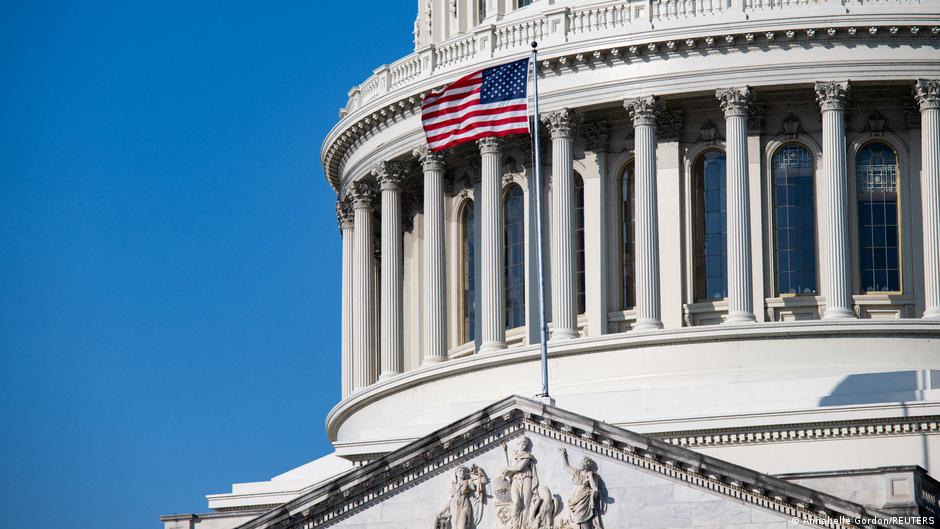
The United States House of Representatives has approved a resolution that prohibits President Donald Trump from continuing military actions against Iran without prior authorization from Congress. This marks the first instance where the House has formally opposed the White House's ongoing position regarding the conflict with Iran.
On June 3, the House passed the resolution with 215 votes in favor and 208 against. While the majority of support came from Democratic members, a small group of Republicans also voted in favor, enabling the resolution to pass despite the Republican majority in the chamber.
Shifting Congressional Stance on the Iran Conflict
Observers note that the military engagement against Iran is losing traction even among President Trump's fellow Republicans. Earlier developments in the Senate reflected a similar trend: on May 19, the Senate voted 50 to 47 to consider a resolution requiring President Trump to cease hostilities with the Islamic Republic of Iran without congressional approval. However, three Republican senators were absent due to ongoing election campaigns, reducing the likelihood of the resolution’s full Senate approval.
“The war with Iran is starting to lose support even among Trump’s own party members,” said political analysts following the vote.
Throughout the year, Republican senators have blocked seven prior attempts to advance this resolution. The first vote on the matter occurred in March, following the commencement of coordinated US and Israeli military operations targeting Iran. The resolution had also faced multiple Republican blocks within the House before this successful vote.
Despite this progress, Reuters reports that even if both chambers of Congress approve the resolution, President Trump is expected to veto it.
Legal Framework and Ongoing Military Actions
Under the 1973 War Powers Act, the US president is permitted to conduct military operations without congressional authorization for a maximum of 60 days. After this period, the president must either terminate hostilities or seek formal approval from Congress to continue using military force.
On May 1, 2026, marking the end of the 60-day timeframe, President Trump informed Congress that the war with Iran had concluded. Nevertheless, military confrontations have persisted. On the night of May 3, Iran’s Islamic Revolutionary Guard Corps (IRGC) launched missiles and drones targeting Kuwait and Bahrain, claiming the strikes were directed at US bases. In response, US forces conducted a retaliatory strike against an Iranian military facility on Qeshm Island in the Strait of Hormuz.
President Trump maintains that his administration continues negotiations with Iranian leadership aimed at ending the conflict.
The resolution’s passage signals increased congressional oversight over military interventions, reflecting congressional concerns about executive overreach in foreign military engagements and the financial and geopolitical risks associated with prolonged conflict.