US-Iran Military Escalation Raises Risks for Shipping and Global Oil Markets
Following a drone attack on a cargo vessel, US strikes on Iranian military sites escalate tensions affecting maritime security and energy prices.
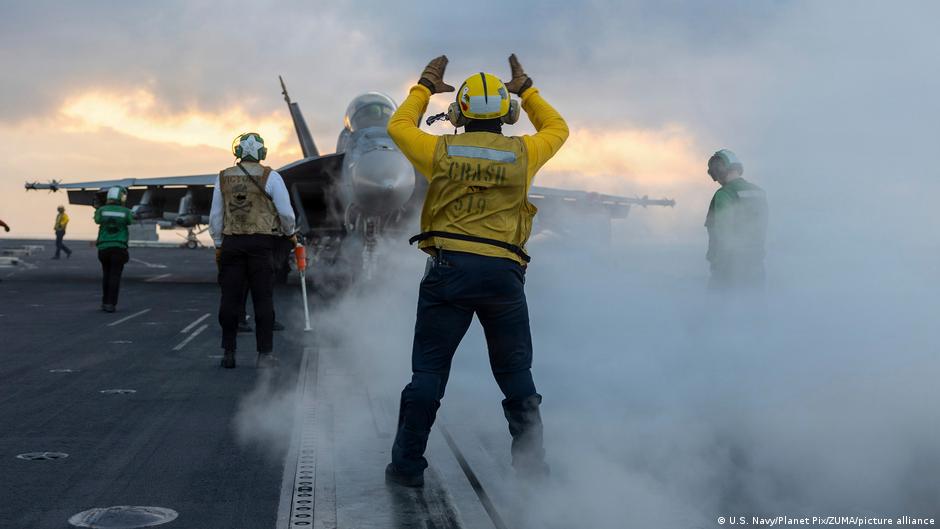
On June 26, the US Central Command (CENTCOM) reported conducting military strikes against Iranian missile and drone storage facilities, along with coastal radar installations. This followed an Iranian drone attack on the Singapore-flagged cargo ship Ever Lovely as it transited the strategic Strait of Hormuz on June 25.
The American response targeted Iranian Revolutionary Guard Corps (IRGC) infrastructure, aiming to deter further aggression after the drone kamikaze strike, which CENTCOM characterized as a violation of the recently established ceasefire regime in the region.
Implications for Maritime Security and Energy Supply
The Strait of Hormuz, a vital chokepoint for global oil shipments, has seen heightened military activity despite a June 17 framework agreement between the US and Iran intended to halt hostilities and secure free navigation through the waterway. The attack on Ever Lovely marked the first such incident since that agreement took effect, signaling significant risks to the maritime transport sector and investor confidence.
"This unprovoked aggression clearly breaches the ceasefire agreement and threatens the stability of a critical global shipping route," said a CENTCOM spokesperson.
In retaliation, the IRGC launched rocket attacks on US military bases in the Middle East, warning of even more substantial responses if further US actions occur. Iran maintains it did not violate agreements, asserting its right to monitor shipping lanes in the Strait as stipulated in documents signed with Washington.
The International Maritime Organization (IMO), under the United Nations, subsequently suspended operations intended to evacuate hundreds of vessels and over 11,000 seafarers trapped in the Persian Gulf amid escalating hostilities. This disruption extends uncertainties to global oil markets, which reacted with upward price pressure.
US President Donald Trump condemned Iran's actions as a "foolish" breach of the ceasefire, citing at least four drone attacks on vessels transiting the strait. This military escalation threatens to destabilize an already fragile geopolitical and economic environment, complicating the outlook for investors, shipping companies, and commodity markets.
Financial stakeholders should closely monitor developments in the Persian Gulf as fluctuations in maritime security directly impact supply chains, insurance costs, and crude oil prices worldwide.