US Justice Department Charges Raul Castro in 1996 Killing of American Pilots
Former Cuban leader Raul Castro faces US charges for a 1996 incident involving the deaths of four American pilots during a maritime rescue mission.
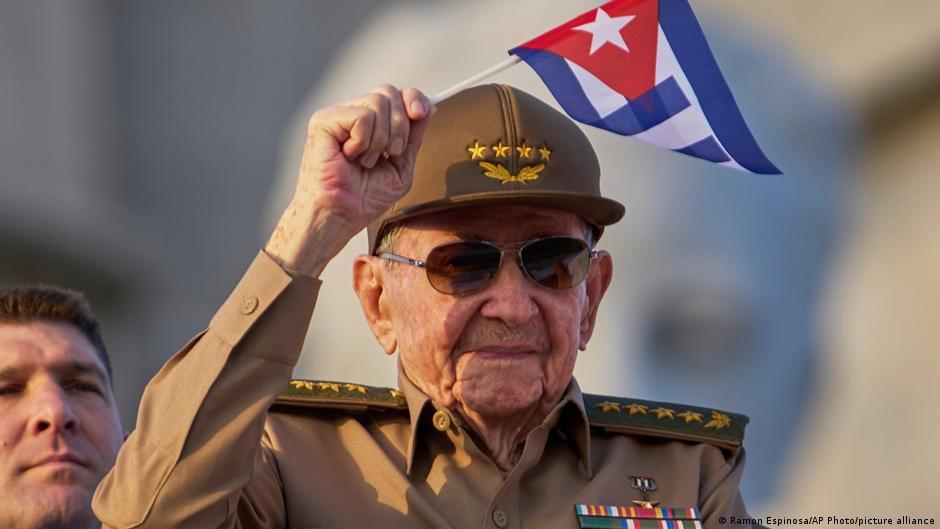
The United States Department of Justice has formally charged former Cuban leader Raul Castro with the murder of four American pilots in a 1996 incident. Acting US Attorney General Todd Blanche announced on May 20 from Miami that Castro is accused of conspiracy to kill US citizens approximately three decades ago.
The charges stem from an event in which Cuban fighter jets shot down two planes operated by Brothers to the Rescue, a Miami-based Cuban exile organization that assisted Cubans attempting to flee the island by sea. All four individuals onboard—US citizens—were killed in the attack.
At the time, Raul Castro served as Cuba’s Minister of Defense. The Cuban government defended the military’s actions, describing them as a legitimate response to airspace violations. However, the International Civil Aviation Organization later determined the planes were shot down over international waters, complicating Cuba's defense.
Legal and Political Implications
"The message is clear," said Todd Blanche, "The United States and President Trump will not forget their citizens."
The accusation against the 94-year-old Raul Castro is largely symbolic but carries a stern warning. If Castro does not voluntarily appear in US courts, officials have pledged to forcibly bring him to the United States for trial and imprisonment.
US Secretary of State Marco Rubio, himself the son of Cuban immigrants, released a video address to the Cuban people just before the charges were unveiled. Rubio urged Cubans to reject their socialist government, framing the US position as offering a new path forward. He criticized Cuba’s ruling elite for exploiting citizens and suppressing dissent.
Raul Castro was last publicly seen in early May. There is no indication that he has left Cuba or that the Cuban government would extradite him to the US. Raul Castro, brother of revolutionary leader Fidel Castro, oversaw historic US-Cuba rapprochement efforts during the Obama administration, which were later reversed under President Trump. He retired from official duties in 2018 after decades in power.
Heightened tensions between Washington and Havana have accompanied the recent political shifts in Latin America, particularly the ousting of Venezuelan President Nicolas Maduro, a key Cuban ally. The US has also imposed an energy blockade against Cuba, intensifying pressure. President Trump has repeatedly signaled intentions to bring the Caribbean island under US influence.
From a financial and geopolitical perspective, these developments could impact Cuba’s economic relations and investor confidence, as ongoing US sanctions and diplomatic hostility may further restrict Cuba’s access to international markets and foreign investment.