US Lifts Blockade of Strait of Hormuz, Facilitating 12.5 Million Barrels of Oil Transit
CENTCOM confirms cessation of US naval blockade enabling renewed Iranian oil shipments amid ongoing negotiations.
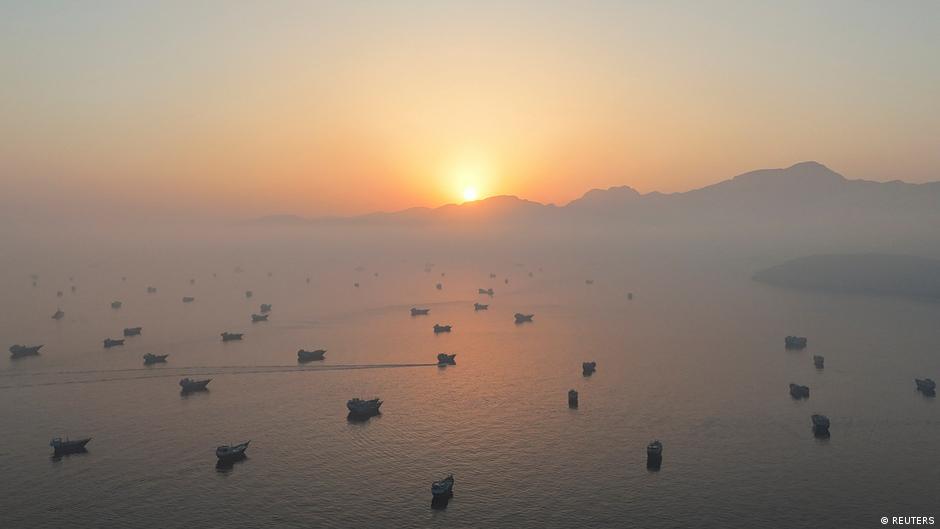
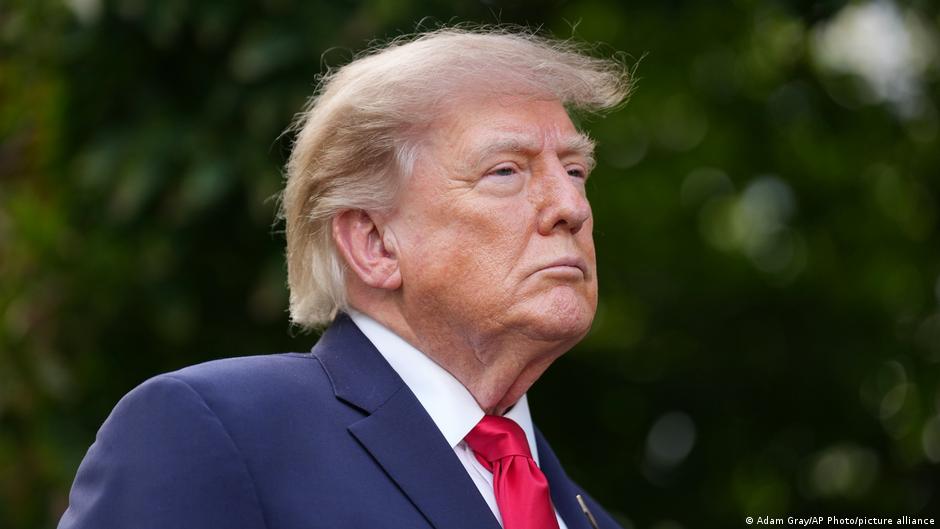
The United States has officially lifted its naval blockade of the Strait of Hormuz as per a directive from President Donald Trump, the Central Command of the US Armed Forces (CENTCOM) announced on June 18. This strategic maritime channel is crucial for global oil shipments, including those from Iran.
Impact on Oil Transit and Regional Stability
According to CENTCOM, US forces will no longer impede vessels entering or leaving Iranian ports. Although the blockade has ended, powerful US naval forces will remain stationed in the region to ensure full compliance with the agreement terms. Vice President David James Vance reported that in the 24 hours following the announcement, ships transporting a total of 12.5 million barrels of oil transited the Strait of Hormuz — the highest volume since hostilities between the US, Israel, and Iran commenced on February 28.
"All US military actions to enforce the blockade have ceased, but our naval presence remains to guarantee adherence to the agreement," CENTCOM stated.
Vance also noted that Iranian forces refrained from attacking any vessels for the second consecutive night, signaling a positive shift in security conditions.
Diplomatic Developments and Financial Implications
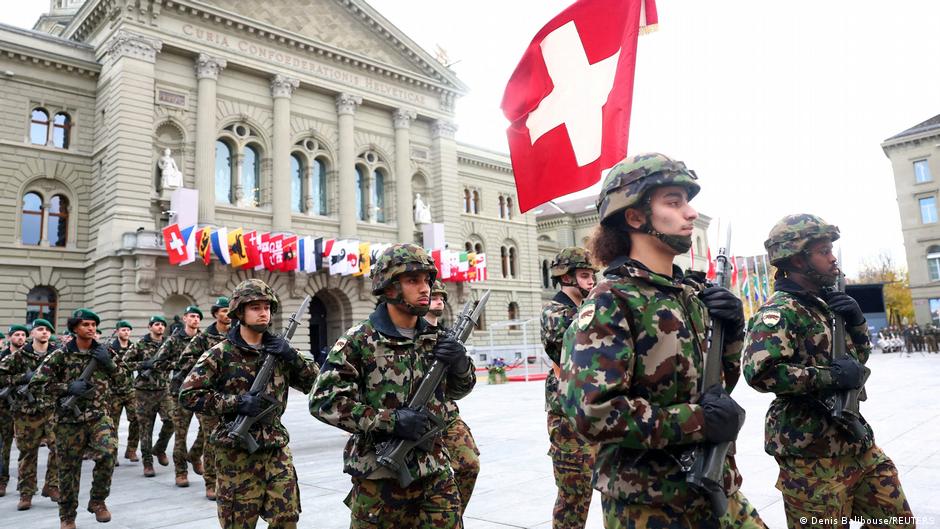
The lifting of the blockade coincides with the initiation of a 60-day negotiation period following a remote signing of a memorandum of understanding between Washington and Tehran on June 18. This memorandum outlines a framework for a comprehensive peace agreement. Although an in-person meeting between US and Iranian delegations led by Vice President Vance and Iranian Parliament Speaker Mohammad Bagher Ghalibaf remains scheduled for July 19 in Switzerland, the expedited remote agreement enabled the earlier reopening of the Strait.
The 14-point memorandum includes provisions for an immediate ceasefire, the termination of the maritime blockade, resumption of shipping through the Strait of Hormuz, and lifting of US oil sanctions on Iran. It also mandates the withdrawal of US troops from areas surrounding the Islamic Republic.
Financially, the agreement commits to the allocation of $300 billion from a private investment fund for Iran's reconstruction, the unblocking of $24 billion in Iranian assets, and the commencement of negotiations on Iran's nuclear dossier. Iran has pledged to forego nuclear weapons development.
This development could significantly alter the economic landscape of the region by easing oil market tensions and potentially revitalizing Iranian economic prospects through large-scale investments and asset releases. Investors and market analysts will be closely monitoring the negotiation outcomes and compliance with the terms of the memorandum, which carry substantial implications for global energy supply chains and geopolitical risk assessments.