US Military Strike Disables Gambian-Flagged Vessel in Strait of Hormuz Amid Iran Sanctions Enforcement
US forces targeted a Gambian-flagged commercial ship en route to Iran after multiple warnings, underscoring ongoing sanctions enforcement and regional tensions.
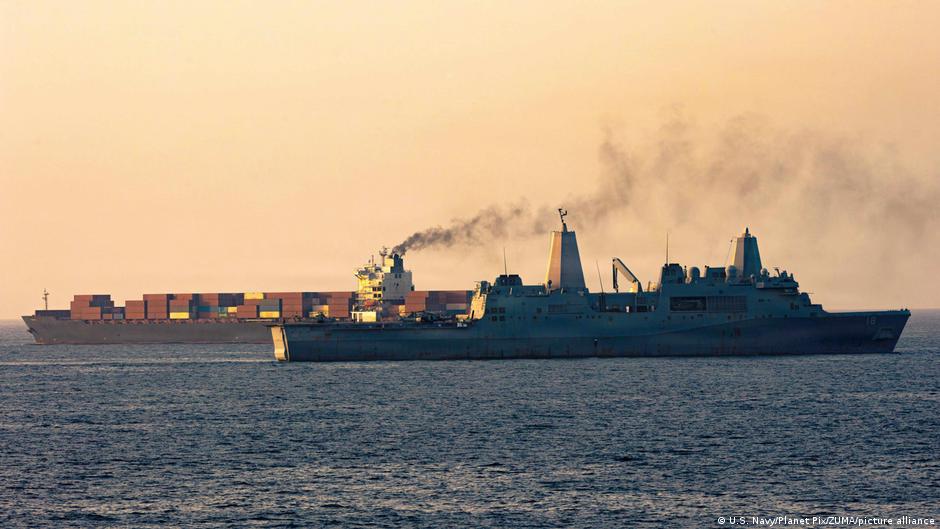
On May 30, the US Central Command (CENTCOM) announced that a US military aircraft launched a missile strike disabling the Gambian-flagged commercial vessel Lian Star in the Strait of Hormuz. The ship was reportedly en route to an Iranian port through international waters in the Gulf of Oman, despite receiving over 20 warnings from US forces regarding violations of the imposed American blockade.
According to CENTCOM's statement, the attack involved a Hellfire missile strike targeting the ship's engine compartment after the crew failed to comply with US demands. Following the strike, the vessel ceased its course toward Iran. This operation forms part of the US military's ongoing enforcement measures related to the blockade of the Strait of Hormuz, which began in April concurrently with a tentative ceasefire agreement between Washington and Tehran.
Financial and Strategic Implications of the Strait of Hormuz Blockade
The Strait of Hormuz is a critical maritime chokepoint responsible for a significant share of global oil shipments. The US blockade and related military actions significantly impact commercial shipping routes and raise concerns among investors about the stability of energy supplies and regional trade flows. From April until the end of May, US forces have disabled five commercial ships linked to Iran and redirected 116 vessels, according to CENTCOM. In response, Iranian authorities have blocked passage for ships associated with the US.
"The American aircraft disabled the vessel by firing a Hellfire missile into the engine room after the crew failed to comply with the blockade," CENTCOM reported, emphasizing the rigorous enforcement of US sanctions.
These military activities have been accompanied by recent Iranian rocket attacks targeting US military installations, including an assault on the Ali Al Salem Air Base in Kuwait that resulted in minor injuries to five personnel and the destruction or severe damage of two MQ-9 Reaper drones, each valued at approximately $30 million. Such incidents exacerbate geopolitical risks and contribute to heightened volatility in markets sensitive to Middle East stability.
Furthermore, diplomatic developments signal a complex backdrop to these events. Reports from US officials indicate that preliminary framework agreements have been reached between the US and Iran to resolve ongoing hostilities. However, US President Donald Trump has yet to approve any deal, stipulating that Iran must abandon its nuclear weapon ambitions as a core condition. Iranian leadership maintains that a final agreement has not been concluded.
For investors and financial analysts, these dynamics underscore ongoing uncertainty in the region, affecting risk assessments for shipping companies, insurers, and energy markets. The enforcement of sanctions through military means and reciprocal actions by Iran may influence commodity prices, shipping insurance premiums, and investment flows in sectors linked to Middle Eastern trade corridors.