US Military Strikes Iranian Military Targets Following Attacks on Commercial Tankers
US forces responded to Iranian attacks on commercial vessels with targeted strikes on Iran’s military infrastructure near the Strait of Hormuz.
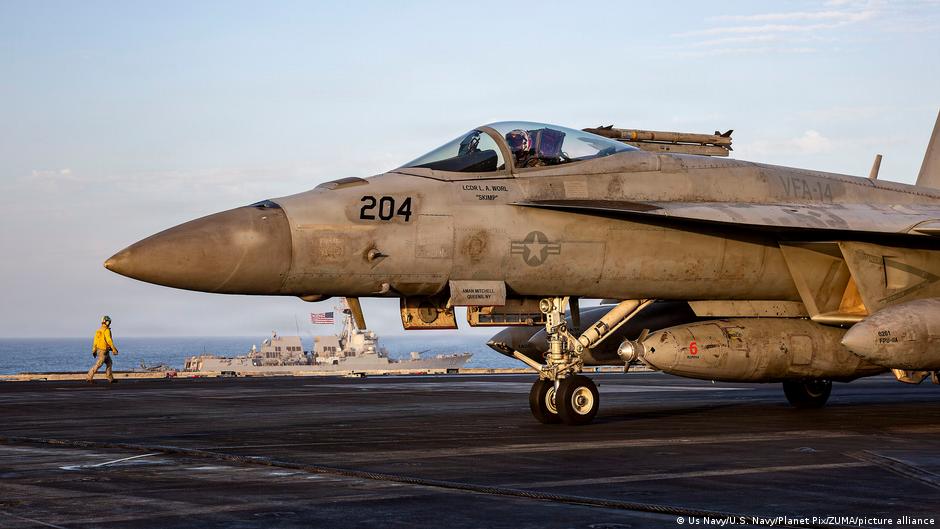
On June 27, US military forces conducted precision strikes against Iranian military infrastructure, including surveillance systems, communications networks, air defense installations, drone storage facilities, and mining equipment. These operations were a direct response to Iranian assaults on commercial shipping vessels traversing the strategic Strait of Hormuz, according to the US Central Command (CENTCOM).
Targeted Military Response Amid Ongoing Maritime Tensions
CENTCOM reported that following the attack on the tanker Ever Lovely, Iran was given an opportunity to comply with a ceasefire agreement but instead escalated tensions by deploying a kamikaze drone. This unmanned aerial vehicle struck the Panamanian-flagged tanker Kiku at approximately 04:30 EDT (11:30 Moscow time), which was transporting more than two million barrels of crude oil near the Strait of Hormuz.
"The passage of commercial ships through the Strait of Hormuz continues, and US forces remain vigilant, combat-ready, and prepared to employ force if necessary," CENTCOM stated.
The Strait of Hormuz remains a critical chokepoint for global oil shipments, and any disruptions here have significant implications on global energy markets and supply chains. The ongoing hostilities exacerbate geopolitical risks that investors and energy stakeholders closely monitor.
In parallel, Kuwait’s air defense systems intercepted missile and drone attacks, while Bahrain reported explosions and activated air raid sirens, urging civilians to seek shelter. The Iranian Islamic Revolutionary Guard Corps (IRGC) claimed responsibility for strikes targeting US military facilities in Kuwait and Bahrain, positioning these as retaliatory actions against US airstrikes on Iranian positions.
On June 26, CENTCOM confirmed the airstrikes against Iranian targets were a decisive response to an earlier attack on commercial shipping near the Strait of Hormuz. Iranian media outlets reported explosions in the port city of Sirik and on Qeshm Island following the US strikes.
The IRGC warned that any further aggression by the US would trigger a more extensive military response, escalating the risk of broader regional conflict. Both Tehran and Washington continue to exchange accusations of ceasefire violations.
The attack on the Ever Lovely was the first such incident in the Strait of Hormuz after the June 17 framework agreement between the US and Iran aimed at halting hostilities and unlocking the strategic waterway. Notably, the attack occurred shortly after the IRGC announced that secure passage for vessels would be guaranteed only along routes controlled by Iran.
US President Donald Trump publicly confirmed the new strikes against Iran on June 27, citing breaches of the ceasefire agreement as justification. On the social media platform Truth Social, he warned: "There may come a time when we can no longer exercise restraint and will have to bring this to a military conclusion—one that we started very successfully. If that happens, the Islamic Republic of Iran will cease to exist!"
Financial Market Implications
The escalating military conflict near the Strait of Hormuz is likely to impact global oil prices and energy market stability, with potential volatility stemming from supply disruptions. Investors should closely monitor ongoing developments, as the risk premium on Middle Eastern crude supplies may increase, influencing corporate earnings in the energy sector and related markets.
Energy companies with tanker operations or heavy exposures to Middle Eastern oil could face operational disruptions or increased insurance costs. Additionally, defense contractors and firms with government military contracts may experience shifts in investor sentiment linked to heightened geopolitical tensions.