U.S. Senate Advances Resolution to Limit President’s Military Actions Against Iran
Senate moves to require congressional approval for military operations against Iran, challenging presidential authority.
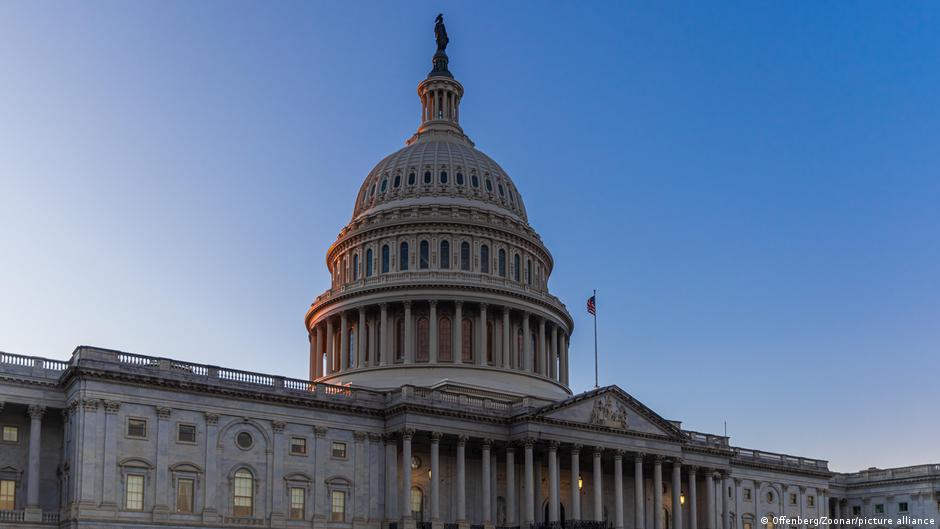
The U.S. Senate on Tuesday voted to advance a resolution that would compel President Donald Trump to either end military operations against Iran or obtain formal congressional approval before continuing such actions. The move signals heightened scrutiny over presidential war powers amid ongoing tensions with Iran.
Senate Vote Highlights Division Over War Powers
During a procedural vote, 50 senators supported the resolution, with 47 opposing it. Notably, three Republican senators were absent due to their election campaigns, reducing the likelihood of the resolution’s full Senate approval. Earlier in the year, seven attempts to advance the same resolution were blocked by Republican senators.
The resolution, first introduced in March following U.S. and Israeli military operations targeting Iran, seeks to enforce the War Powers Act of 1973. This law limits the president’s ability to conduct hostilities without Congress’s consent to a 60-day period unless extended by congressional authorization.
"This is the perfect time for discussion before we start another war," said Senator Tim Kaine, the resolution’s procedural vote initiator. "The president is discarding peace and diplomatic proposals without sharing them with us."
Senator Kaine emphasized that the current ceasefire, effective since April, offers an opportunity for the administration to clarify its position to Congress. The resolution, if passed, would require that any future military operations targeting Iran receive legislative approval.
Implications for Investor and Market Confidence
From a financial perspective, the Senate’s efforts to restrict unilateral executive military actions could reduce geopolitical risk premiums that often unsettle markets. Investor confidence typically fluctuates with uncertainty surrounding U.S. foreign policy, especially in volatile regions such as the Middle East.
Market participants closely monitor congressional measures like this resolution as indicators of potential shifts in U.S. military engagement strategy. Restrictions on the president’s war powers could signal a move toward de-escalation, potentially stabilizing energy markets and reducing the risk of supply disruptions.
However, the continued blockade of Iranian ports and strikes on Iranian vessels, despite President Trump’s May 1 notification to Congress declaring the "end of war" with Iran, underscore a complex reality. Military confrontations persist, complicating the geopolitical landscape and introducing uncertainties in global trade and energy flows.
Financial analysts and investor relations teams in sectors sensitive to Middle East stability—including energy, defense, and shipping—will need to assess how legislative developments might impact risk assessments and long-term strategic planning.
War Powers Act and Congressional Oversight
The War Powers Act mandates that the president inform Congress within 48 hours of committing armed forces to military action and limits the duration of such engagements without congressional authorization to 60 days. Failure to secure approval requires a cessation of hostilities.
President Trump’s notification on May 1, 2026, claimed the conclusion of military actions against Iran as the 60-day statutory limit expired. Yet ongoing naval blockades and strikes indicate continued operational hostilities, raising questions about compliance with the Act and increasing demands for congressional oversight.
The resolution aims to reinforce checks and balances, mandating closer alignment between the executive branch and the legislative body regarding decisions affecting national security and foreign policy.
As the Senate debates this measure, its outcome will have significant ramifications for the balance of power in U.S. foreign policy decisions and for investors gauging geopolitical risk in global markets.