US State Department Announces Ceasefire Agreement Between Israel and Lebanon Amid Ongoing Conflict
Israel and Lebanon have agreed to a ceasefire brokered by the US, including Hezbollah disarmament south of the Litani River and ongoing direct negotiations.
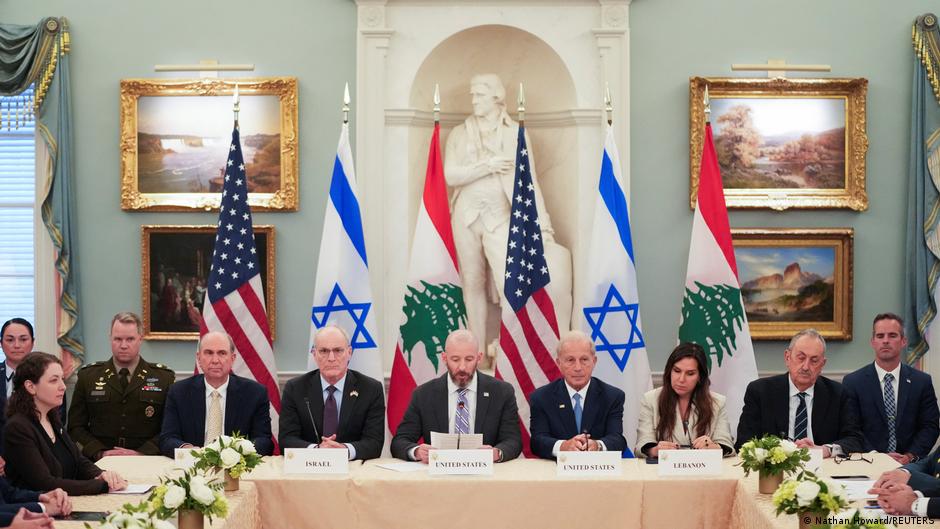
The United States State Department announced on June 3 that Israel and Lebanon have reached a ceasefire agreement under US mediation. The agreement requires a complete cessation of fire by Hezbollah and the withdrawal of its militants from the area south of the Litani River.
This trilateral declaration followed two days of negotiations in Washington involving Israeli and Lebanese representatives. Compliance with the ceasefire hinges on Hezbollah's full halt to hostilities and the removal of its fighters from the designated southern sector. The agreement also includes the establishment of pilot zones monitored exclusively by the Lebanese army.
Financial and Strategic Implications of the Ceasefire
The renewed hostilities since March, sparked by US-Israeli military actions against Iran and retaliatory rocket attacks by Hezbollah, have caused significant human and infrastructural losses. The Lebanese Ministry of Health reports roughly 2,200 casualties, including civilians, while the Israeli military states over 1,700 Hezbollah fighters killed since the conflict escalated.
From a financial perspective, the ceasefire introduces a critical opportunity to stabilize the volatile border region, potentially reducing military expenditures and allowing Lebanon and Israel to redirect resources toward reconstruction and economic recovery. The conflict has disrupted supply chains and heightened investor uncertainty, affecting regional markets adversely.
Continued direct talks are planned to begin the week of June 22 to pursue a comprehensive settlement addressing outstanding issues. This follow-up negotiation phase is vital for investor confidence, as a durable peace agreement could encourage foreign investment and promote economic growth in both countries.
“The agreement’s success depends on Hezbollah’s full adherence to the ceasefire and the Lebanese army’s control of the buffer zones,” the State Department emphasized, underscoring the fragile nature of the arrangement.
The conflict's resurgence followed the death of Iran’s supreme leader Ayatollah Ali Khamenei’s top commanders in US-Israeli strikes. Subsequent Israeli air and ground operations aimed to establish a security buffer zone, intensifying military spending and straining national budgets.
Earlier attempts at peace included direct Israeli-Lebanese diplomatic talks in Washington—the first since 1993—and a temporary ceasefire announced by President Donald Trump in mid-April. However, intermittent clashes resumed soon after, highlighting the challenges ahead.
On June 1, tensions escalated after Israeli strikes on southern Beirut suburbs prompted Tehran to suspend peace talks with Washington. President Trump later refuted these claims, confirming ongoing negotiations and stating that his administration facilitated the ceasefire to maintain dialogue momentum.
For investors and financial analysts, the ceasefire and diplomatic engagement represent a pivotal development. Improved security conditions could stabilize regional markets, reduce defense-related fiscal burdens, and open pathways for renewed foreign direct investment. However, the fragile nature of the truce and geopolitical complexities warrant cautious monitoring.