US Supports Passage of 70 Commercial Ships Through Strait of Hormuz Amid Iran Tensions
CENTCOM covertly assisted around 70 vessels navigating the Iran-blockaded Strait of Hormuz, reflecting ongoing geopolitical tensions impacting maritime trade routes.
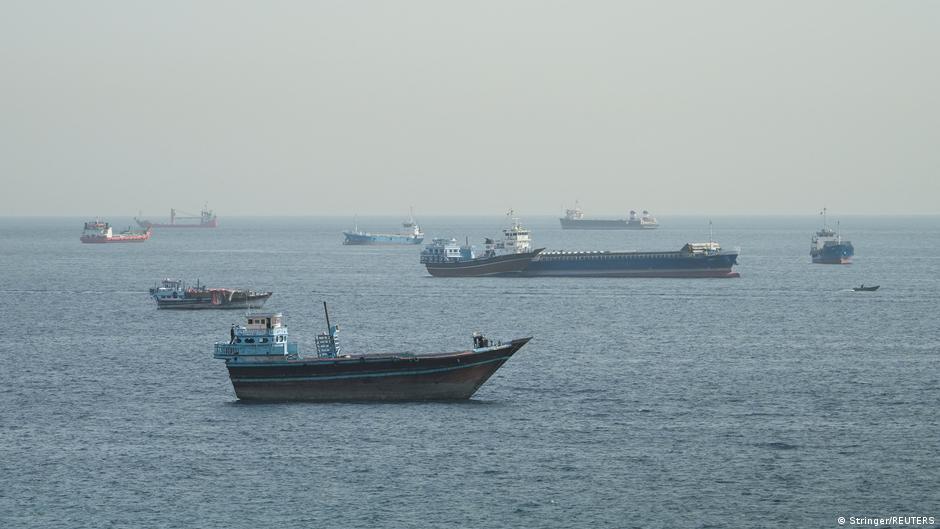
Over the past three weeks, the United States Central Command (CENTCOM) has covertly assisted approximately 70 commercial vessels in transiting the Strait of Hormuz, which is currently blockaded by Iran. This development highlights ongoing geopolitical tensions that continue to affect critical global shipping routes.
Operational Details and Strategic Implications
According to anonymous US officials, a majority of these vessels navigated the strait with their transponders turned off, a measure likely taken to avoid Iranian detection and potential conflict. The officials did not disclose specific timing or routes but indicated that at least one operation was conducted away from the Iranian coastline to mitigate the risk of attacks, which Iranian forces would likely carry out if ships attempted unapproved passage near the coast.
"Iranian strikes are almost guaranteed if a vessel tries to pass along the coast without permission," an official noted.
However, the number of ships traversing the Strait with US assistance remains substantially lower than pre-conflict volumes. Prior to the outbreak of hostilities between Washington and Tehran on February 28, over 100 commercial vessels crossed the strait daily; currently, CENTCOM estimates only about three vessels make the passage daily.
The US government has maintained a low profile regarding its support for these transits to avoid further provocations from Iran. Initially, an operation named "Project Freedom" aimed at facilitating safer passage was announced but subsequently paused by President Donald Trump in early May. Since then, CENTCOM has encouraged vessels to transit without providing direct naval escort.
Despite covert US support, most vessels continue to coordinate passage with Iranian authorities. Data from maritime analytics firm Kpler shows that between March 1 and May 19, out of 895 transits, slightly more than half followed Iran-approved routes, while about 40% took "dark" or uncoordinated routes with transponders off.
Geopolitical Context and Financial Impact
The Strait of Hormuz is a critical chokepoint for global energy supplies, with significant volumes of oil and gas passing through daily. The blockade by Iran and the US restrictions on tankers entering Iranian ports have heightened risks for shipping companies, insurers, and investors reliant on uninterrupted maritime logistics.
The ongoing tensions have introduced considerable uncertainty into the balance sheets of shipping firms operating in the region, as well as those involved in the energy sector whose revenues depend on stable supply chains. The reduction in vessel traffic and the associated security costs have implications for operating margins and may influence freight rates and insurance premiums.
Recent reports indicate preliminary framework agreements between US and Iranian negotiators aimed at de-escalating the conflict, yet President Trump has withheld endorsement pending Iran's compliance with demands, including abandoning nuclear weapons ambitions.
From a financial perspective, market participants are closely monitoring these diplomatic developments, as a resolution could ease maritime restrictions and restore normal shipping volumes, positively affecting earnings for related industries.
Meanwhile, Iran’s leadership maintains that no final agreement has been reached, prolonging the uncertainty that continues to weigh on investor confidence and operational planning.