US to Cut NATO Fighter Jets and Naval Assets, Shifting Military Focus to Indo-Pacific
Washington plans to reduce fighter jets by one-third and withdraw submarines and aircraft carriers from NATO Europe, impacting alliance capabilities.
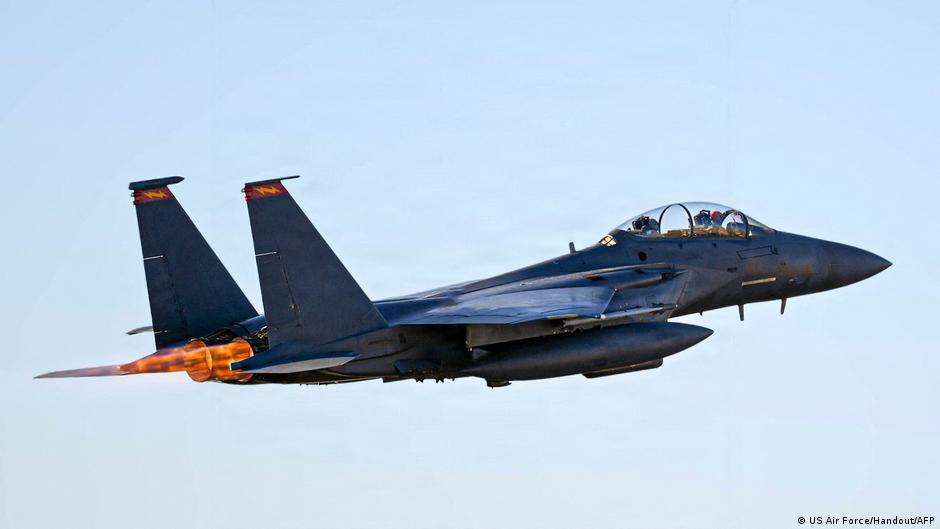
The United States is set to significantly reduce the number of fighter jets and naval vessels provided to NATO operations in Europe, according to reports citing senior European officials. This strategic adjustment, detailed in a confidential document shared with European partners in early June, reflects Washington's ongoing military pivot towards the Indo-Pacific region.
Impact on NATO's Operational Capacity
According to The New York Times, the U.S. will cut its fighter jet contributions, including F-16 and F-15E aircraft, from roughly 150 to about 100 units. The number of maritime reconnaissance aircraft will decrease from 26 to 15. Additionally, all eight aerial refueling tankers currently stationed in Europe will be withdrawn. The plan also involves redeploying a ballistic missile submarine, an aircraft carrier, several naval vessels, and dozens of aircraft linked to the carrier missions.
“This decision will limit NATO’s ability to conduct long-range strikes and surveillance,” the report noted, underscoring the operational constraints the alliance may face.
Sources indicate the process will commence imminently, earlier than European allies had anticipated, raising concerns about NATO’s readiness and force projection in the region.
Broader Strategic and Financial Implications
These developments follow earlier disclosures that the U.S. intends to withdraw one of its four Brigade Combat Teams stationed in Europe, a move that will reduce troop levels to those seen in 2021. Each Brigade Combat Team can comprise between 4,000 to 5,000 personnel, representing a substantial segment of U.S. ground forces.
Historically, the U.S. has accounted for approximately half of NATO’s military capability under the burden sharing framework. The forthcoming NATO Force Sourcing Conference, scheduled for June, aims to identify European countries capable of compensating for the reduced American military contributions.
From a financial perspective, the drawdown reflects a shift in resource allocation and defense spending priorities. Reducing overseas deployments could lower operational costs, but also places pressure on European allies to increase their defense expenditures and capabilities.
Expert analysis highlights that while the U.S. reallocates assets to address rising challenges in the Indo-Pacific, NATO’s European defense posture might face a transitional period with constrained air and naval power availability.
As one European official remarked, "The reallocation signals a new phase in transatlantic defense relations, emphasizing a need for increased European investment and strategic autonomy."
The effects on investor relations for defense contractors supplying military aircraft and naval vessels could be significant, as demand from U.S. government contracts shifts. Businesses involved in manufacturing and maintaining F-15, F-16 jets, aerial refueling tankers, and naval platforms may experience adjustments in order volumes and funding.
In summary, the U.S. military's planned reductions in European NATO deployments mark a pivotal change in alliance dynamics, with direct implications for military readiness, operational budgeting, and transatlantic defense commitments.