US to Deploy Additional 5,000 Troops to Poland Amid Military Realignment in Europe
President Trump announces deployment of 5,000 more US troops to Poland, reversing recent Pentagon troop movement decisions amid evolving NATO strategy.
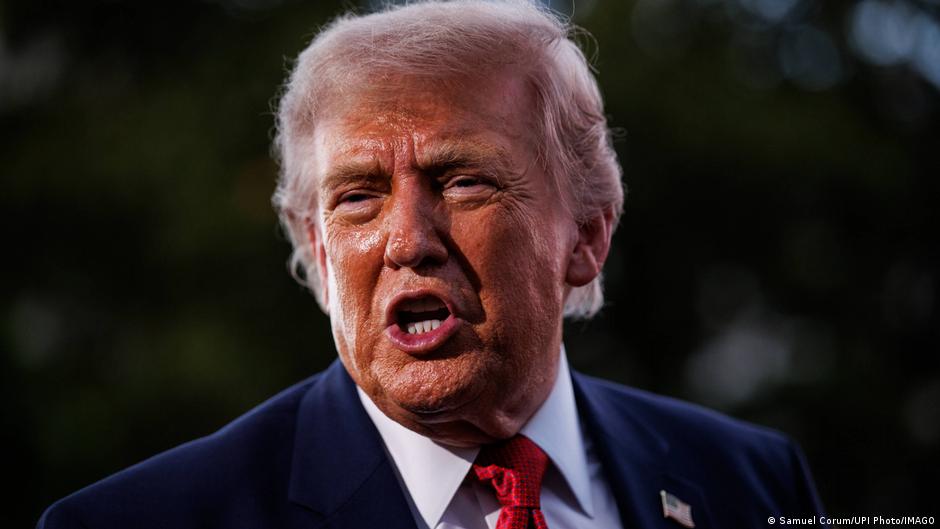
In a significant shift in US military deployment strategy in Europe, President Donald Trump announced the dispatch of an additional 5,000 American troops to Poland. This decision follows a Pentagon move earlier this month that halved planned troop reinforcements to the country.
Trump credited the decision to the strong bilateral relationship with Poland's newly elected President Karol Nawrocki, whom he publicly supported. The announcement came via the president's social media platform, Truth Social, in the early hours of May 22.
Strategic Military Movements and Their Financial Implications
The initial plan, which was abruptly halted on May 13, involved sending the 2nd Armored Brigade Combat Team of the 1st Cavalry Division, estimated to include around 4,000 soldiers. The Pentagon’s cancellation reportedly surprised military officials and was interpreted as part of Trump's broader initiative to reduce US forces in Europe.
"Given the successful election of Poland's current president, whom I proudly supported, and our relations with him, I am pleased to announce the deployment of an additional 5,000 troops to Poland," Trump stated.
According to reports from The Wall Street Journal and Defence News, the troop drawdown was linked to strategic recalibrations following criticism from German Chancellor Friedrich Merz regarding US and Israeli military actions against Iran. Concurrently, the US began withdrawing 5,000 troops from Germany, indicating a rebalancing of forces within Europe.
As of mid-May, around 7,400 US troops were stationed in Poland. The total US military presence in Europe includes about 100,000 soldiers and officers, with approximately 65,000 permanently based and the remainder rotating through.
Despite signals of troop reductions, Polish officials have expressed confidence that the number of US forces in the country will not decrease. Polish Defense Minister Władysław Kosiniak-Kamysz explicitly denied reports of troop cuts, affirming ongoing efforts to increase the US military footprint in Poland.
On May 19, the Pentagon officially announced plans to withdraw one of the four US brigade combat teams stationed in Europe, a move that will reduce troop numbers to 2021 levels. NATO Commander Lieutenant General Alexus Grynkewich reassured that this reduction would not hamper alliance efforts to bolster European defense capabilities. He emphasized that, over the long term, the US expects to reposition troops to other global regions aligned with strategic priorities.
Financially, these troop movements reflect broader defense budget allocations and Congressional oversight. Early in 2026, the US Congress enacted provisions in the annual defense budget law restricting troop reductions below a threshold of 76,000 personnel in Europe for more than 45 days without detailed justifications presented by both the Pentagon and European Command leadership.
The evolving deployment strategy carries implications for defense spending, alliance relations, and operational readiness in Europe. Investors and analysts monitoring defense contractors and military logistics providers may find these developments significant, given potential shifts in government contracts and long-term procurement plans tied to US military presence abroad.