US Treasury Expands Sanctions on Cuban Leadership Amid Ongoing Diplomatic Strains
Washington imposes new economic sanctions targeting Cuban President Díaz-Canel and family of Raul Castro amid escalating tensions.
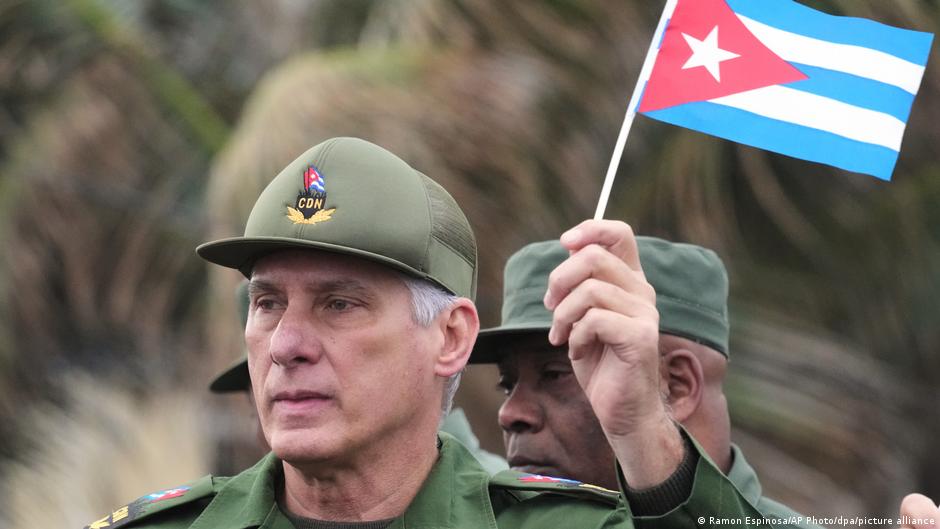
The United States has broadened its economic sanctions against Cuba, targeting President Miguel Díaz-Canel and several members of former leader Raul Castro’s family. This move comes amidst a sustained deterioration in diplomatic relations between Washington and Havana.
On June 4, the White House announced the imposition of fresh sanctions by the US Department of the Treasury. These measures affect not only President Díaz-Canel but also his wife and stepson, as well as Raul Castro’s son and one of his grandchildren. These sanctions follow earlier restrictions placed on Díaz-Canel by the US State Department in July of the previous year.
Raul Castro, brother of revolutionary leader Fidel Castro, is 95 years old and no longer holds official government posts. Nevertheless, he remains influential in Cuba’s decision-making apparatus. Last month, the US government publicly accused Raul Castro of involvement in the 1996 destruction of two civilian aircraft, an attack that resulted in four fatalities.
Geopolitical Context and Economic Impact
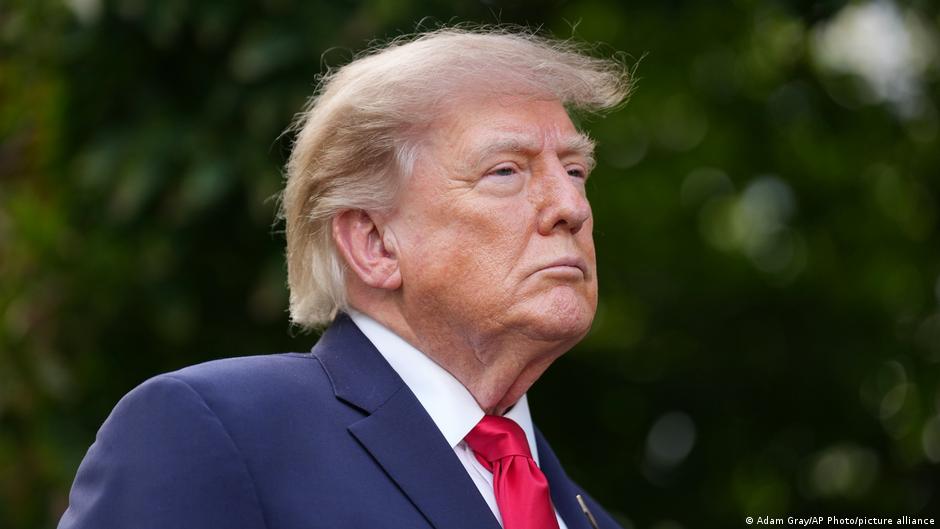
Washington has increasingly intensified its pressure on Havana over recent months. Cuban officials have condemned the US actions as pretexts for potential military intervention. Meanwhile, former President Donald Trump has issued multiple statements threatening to "take control" of Cuba.
“The US has steadily increased sanctions as part of a broader campaign to destabilize Cuba’s government and economy,” a policy analyst noted.
Cuba, located approximately 145 kilometers from the southern tip of Florida, remains under a US economic embargo established in 1962. The island nation is currently enduring its most severe economic crisis since the collapse of the Soviet Union. The crisis is marked by frequent power outages and acute fuel shortages.
Compounding the situation, in January, US forces detained Venezuelan President Nicolás Maduro and brought him to the United States. Consequently, Venezuela, which had been Cuba’s main oil supplier, ceased deliveries to the island. This disruption has significantly deepened Cuba’s energy and economic difficulties.
These latest sanctions are expected to further strain Cuba’s already fragile economy and complicate its international financial relations amid ongoing political tensions.