Zelensky Plans Late-September U.S. Meeting on Food and Energy Security
Ukraine’s president said Kyiv is in daily contact with U.S. officials as Russian strikes keep energy infrastructure and exports in focus.
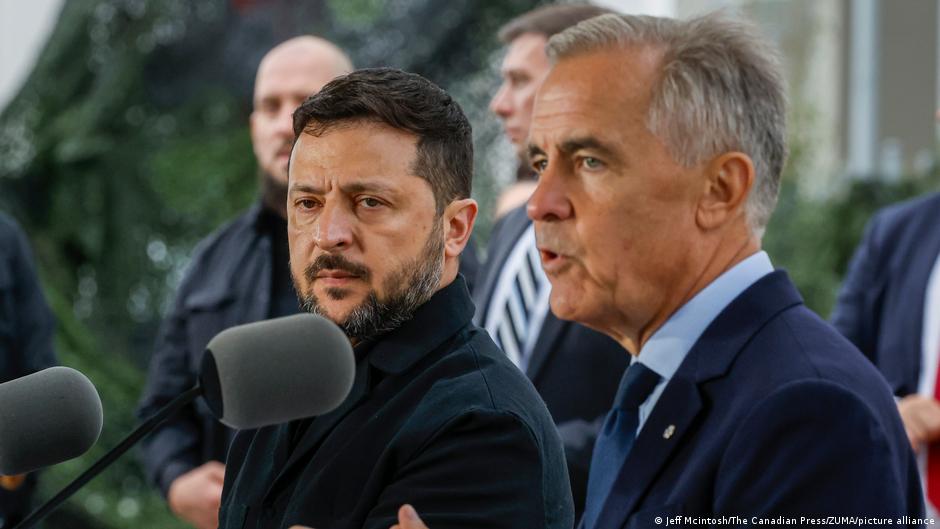
Ukrainian President Volodymyr Zelensky said he expects to meet again with a U.S. delegation before the end of September, placing food and energy security at the center of discussions that carry direct implications for Ukraine’s wartime economic resilience, export capacity and infrastructure outlook.
Zelensky made the comments to journalists on Thursday, September 11, after talks with Canadian Prime Minister Mark Carney. He said the meeting with the U.S. side could take place on the sidelines of the United Nations General Assembly in New York, where Ukraine is expected to press partners on the financial and logistical consequences of Russia’s renewed pressure on Black Sea trade routes and domestic energy assets.
For investors, lenders and governments tracking Ukraine’s fiscal position, the agenda points to two of the country’s most exposed balance-sheet items: agricultural exports and energy infrastructure. Grain and agricultural products remain a critical source of foreign-currency revenue for Ukraine, while the power sector continues to require external support as Russian attacks damage infrastructure and increase reconstruction needs.
Export Flows and Infrastructure Risk
Zelensky said he expects the forthcoming discussions to address the problem of grain and agricultural products whose export Russia has begun to block in the Black Sea. Any disruption to those shipments can affect not only producers and traders, but also Ukraine’s wider funding environment, because export earnings are a key component of macroeconomic stability during the war.
The Ukrainian president also warned that Russia may intensify attacks on Ukraine at a time when Kyiv is holding talks with European, Canadian and American partners. He framed the military pressure as an attempt to undermine diplomacy and disrupt negotiations.
“Knowing Russia, when they hear that we are holding talks somewhere with Europeans, with Canadians, with Americans, when they hear this, they try to intensify attacks on us,” Zelensky said.
He added that Russia does so “simply to derail any negotiations, simply to derail any dialogue,” while saying Ukraine would continue to move in that direction because it sees dialogue as the only way to stop the war.
The remarks underscore the financial exposure created by simultaneous pressure on export routes and domestic infrastructure. For Ukraine, blocked Black Sea shipments can weigh on agricultural revenue, while attacks on energy facilities increase operating costs, emergency repair needs and the requirement for international assistance. Those pressures are closely watched by creditors and donor governments because they influence budget planning, reconstruction financing and the durability of economic activity through the winter period.
Daily Contact With U.S. Officials
Zelensky also said Kyiv is maintaining daily contact with the American delegation to discuss energy security while Russian forces strike Ukrainian infrastructure. He did not provide figures for damage, financing needs or expected aid volumes, but the frequency of contact signals the importance of energy resilience in Ukraine’s broader investor-relations and donor-relations agenda.
Energy security has become a central issue for Ukraine’s public finances because infrastructure damage can affect industrial output, household supply, public spending and the ability of businesses to operate. While the source remarks did not include specific financial metrics, Zelensky’s emphasis on daily coordination with Washington suggests that Kyiv is keeping its partners closely briefed on operational risks and support requirements.
The potential meeting in New York would also come against a diplomatic timetable shaped by Russian domestic politics. Zelensky said separately that he does not expect serious negotiations with Moscow to begin before elections to Russia’s State Duma, scheduled for September 18 to 20. Earlier reporting said Washington also hopes negotiations can resume after the election campaign in Russia.
For markets and official creditors, that timing matters because the path of negotiations can shape assumptions around sanctions, reconstruction spending, trade corridors and security-related outlays. A delay in serious talks keeps near-term uncertainty elevated, particularly for sectors tied to logistics, agriculture and energy.
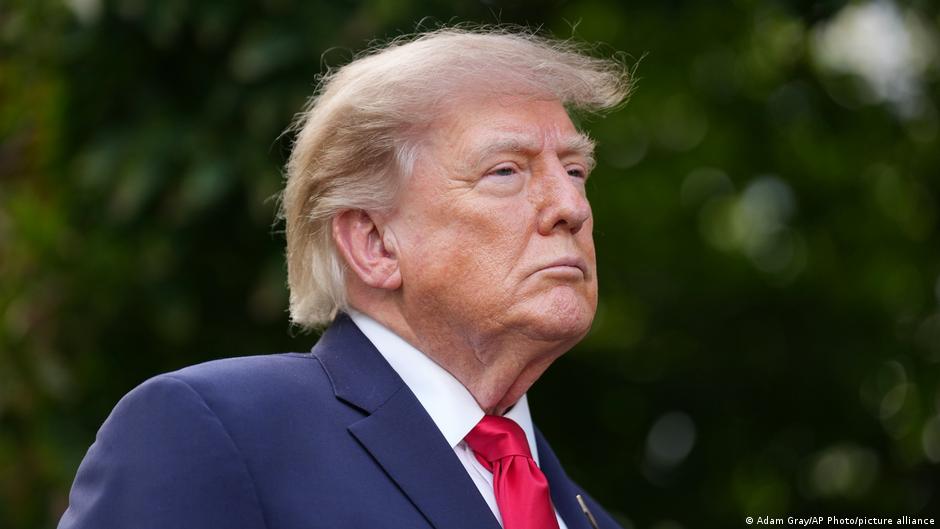
The diplomatic backdrop shifted earlier in the week when U.S. President Donald Trump said on September 9 that Russian President Vladimir Putin was ready to reach an agreement to end the war with Ukraine. Trump said he had held “an excellent conversation” and added that Putin “wants an agreement.” According to the U.S. president, it would be “very good” if it turns out that Zelensky “also wants an agreement.”
Washington resumed mediation between Kyiv and Moscow at the beginning of September in an effort to secure the start of talks. After another visit to Moscow by Trump’s special envoy Steve Witkoff and the U.S. president’s son-in-law Jared Kushner, the Kremlin said Putin had assured Trump that Russia had no “aggressive plans” regarding Europe.
Those statements have not removed the operational risks facing Ukraine. Zelensky’s latest comments indicate that Kyiv is preparing to use the late-September diplomatic calendar to keep food exports and energy infrastructure high on the agenda with Washington. From a financial reporting perspective, the meeting is less about a single announcement than about the ongoing management of Ukraine’s wartime economic liabilities: disrupted grain flows, damaged infrastructure, elevated security costs and the need to maintain donor confidence while negotiations remain uncertain.