EU Faces Challenges Implementing Entry Ban on Russian Combatants Amid Member States’ Concerns
Italy and France express doubts over EU’s proposed travel ban on Russian military participants, citing enforcement complexities and potential broader impacts.
The European Commission’s proposal to ban entry into the European Union for Russian nationals involved in the military conflict against Ukraine has met with hesitation from key EU members Italy and France. These concerns highlight potential challenges in enforcement and unintended consequences for broader Russian travel to the EU.
Member States Question Enforcement and Scope of Entry Ban
As part of the EU’s 21st sanctions package targeting Russia, the Commission proposed a travel ban on all individuals who have served in Russian armed forces since the start of the full-scale invasion of Ukraine. However, sources indicate that Paris and Rome are wary that such a ban could be interpreted or applied in a way that restricts entry for all Russian citizens, not just combatants.
One critical issue raised by Italy and France is the complexity involved in determining who precisely qualifies as a combatant. The responsibility to verify individual involvement in hostilities would likely fall to individual EU member states, posing significant administrative and legal challenges.
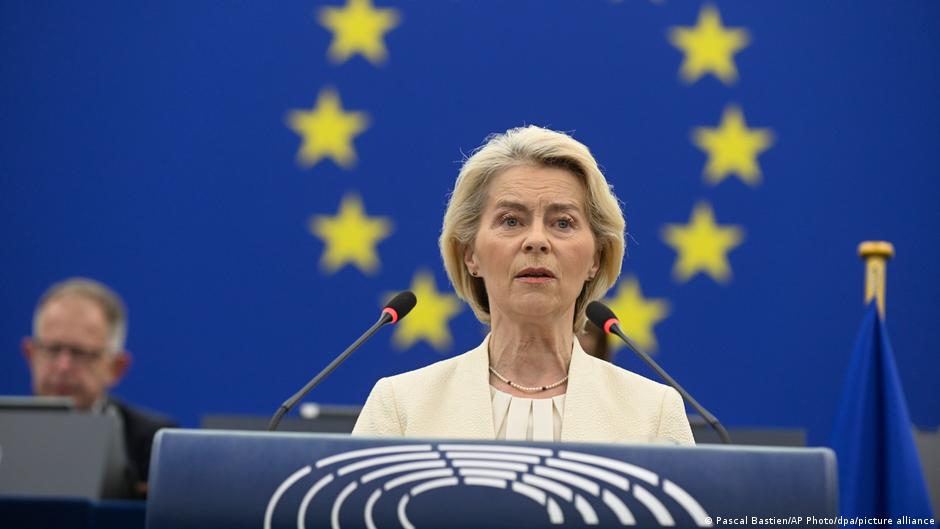
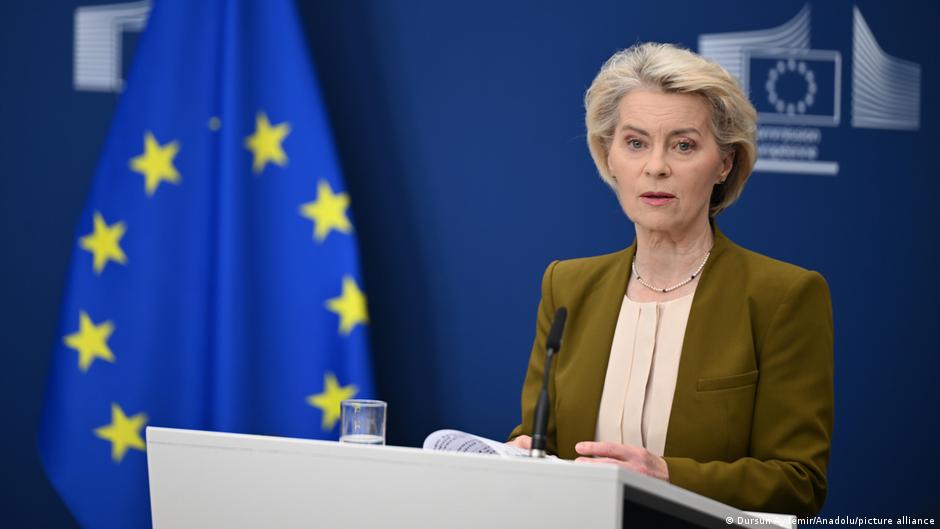
“Europe remains closed to all who participated in the invasion of Ukraine,” EU Commission President Ursula von der Leyen stated, emphasizing the EU’s intent to restrict entry specifically to Russian military personnel engaged in combat.
This differentiation is crucial, as overly broad application of the ban could disrupt diplomatic relations and complicate travel for ordinary Russian citizens, which some member states wish to avoid.
Sanctions Package Aims to Intensify Pressure on Russian War Effort
Announced on June 9, the 21st EU sanctions package encompasses a range of restrictive measures beyond travel bans. These include new constraints on Russia’s energy sector, financial transactions, trade, and for the first time, the fishing industry. The overarching goal is to curtail Russia’s revenue streams that finance the ongoing war against Ukraine.
While the travel ban targets military personnel directly involved in the conflict, other elements of the sanctions aim to tighten the economic noose around Moscow. One notable concern is the enforcement of the price cap on Russian oil, especially amid current high global oil prices, which observers consider a potential challenge for compliance.
Before implementation, the sanctions package requires unanimous approval from all EU member states. The Commission has reiterated its commitment to closing loopholes and strengthening pressure on Russia with each successive package.
Implications for Investors and Financial Markets
From a financial reporting perspective, the proposed restrictions could influence multiple economic sectors and companies with exposure to Russia. Energy firms, commodity traders, and financial institutions may face increased compliance costs and operational risks. The uncertainty surrounding enforcement of the entry ban also poses reputational risks for businesses engaged in cross-border activities involving Russian nationals.
Moreover, the broader sanctions environment is likely to impact Russia’s macroeconomic indicators, including foreign exchange reserves and revenue from energy exports, which in turn may affect global commodity prices and investment flows.
As the EU navigates the complexities of sanction enforcement, investors and market participants should closely monitor developments for potential implications on earnings, regulatory compliance, and geopolitical risk assessments.