EU Halves Duty-Free Steel Import Quota, Imposes 50% Tariff on Excess Volume
The European Union reduces duty-free steel imports by 47% and doubles tariffs on excess imports to protect its steel industry.
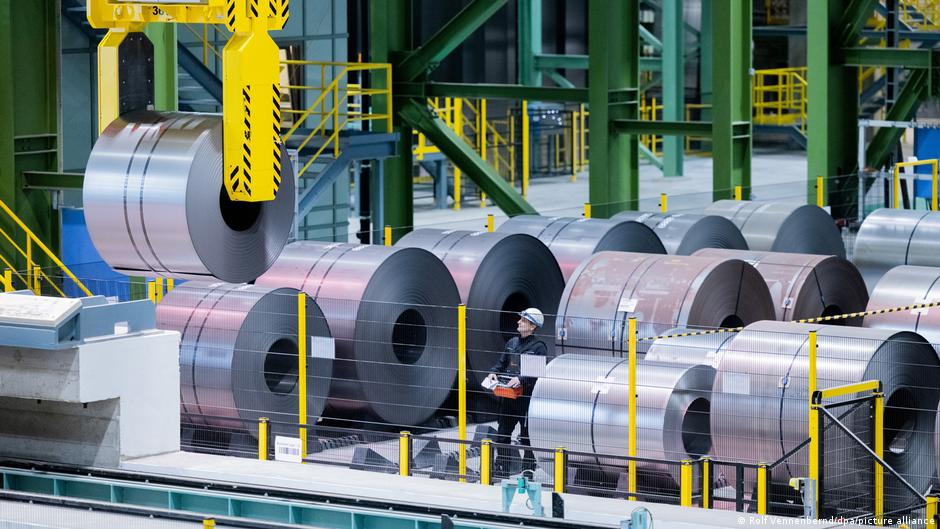
On July 1, the European Union implemented new restrictions on steel imports, significantly tightening regulations to safeguard its domestic steel industry. The quota for duty-free steel imports has been cut by nearly half, with any imports exceeding the set quota now subject to a 50% tariff, twice the previous rate.
Protecting the EU Steel Industry Through Quotas and Tariffs
The annual duty-free steel import volume has been capped at 18.3 million tonnes, representing a 47% reduction compared to prior limits. Imports beyond this quota will be levied with a 50% tariff, a steep increase aimed at discouraging the influx of cheap steel products into the European market.
This policy shift is designed to shield the EU's steel production sector from market distortions and unfair competition. Germany, holding the largest steel industry within the Union, stands to benefit significantly from these measures. The new rules establish country-specific quotas for duty-free steel imports from third countries, with unused quotas allowed to roll over into subsequent quarters.
"The EU seeks to prevent mass imports of low-cost steel that could destabilize the domestic market and undermine local producers," officials stated.
Global Steel Production Context and Trade Concerns
According to the World Steel Association, China produced approximately 961 million tonnes of steel in 2025, accounting for over half of global output. By comparison, Germany's steel production was around 34 million tonnes, highlighting the scale difference between the two economies.
The European Union has voiced concerns regarding China's steel industry, accusing the country of unfairly subsidizing its producers. These subsidies allegedly contribute to a global steel surplus, which exerts downward pressure on prices and challenges the competitiveness of EU steelmakers.
Financially, these new import restrictions could have a profound impact on the EU steel sector’s revenues and profitability by reducing competition from low-priced imports while potentially increasing input costs for downstream industries reliant on imported steel. Investors and market analysts will be closely monitoring the quarterly earnings reports of major EU steel producers to assess the effect of these trade policy changes on their financial health.