EU Leaders Fail to Bridge Seven-Year Budget Gap on Summit’s First Day
Member states remain divided over spending cuts, new EU-wide levies and a proposed €140 billion reduction to the long-term budget.
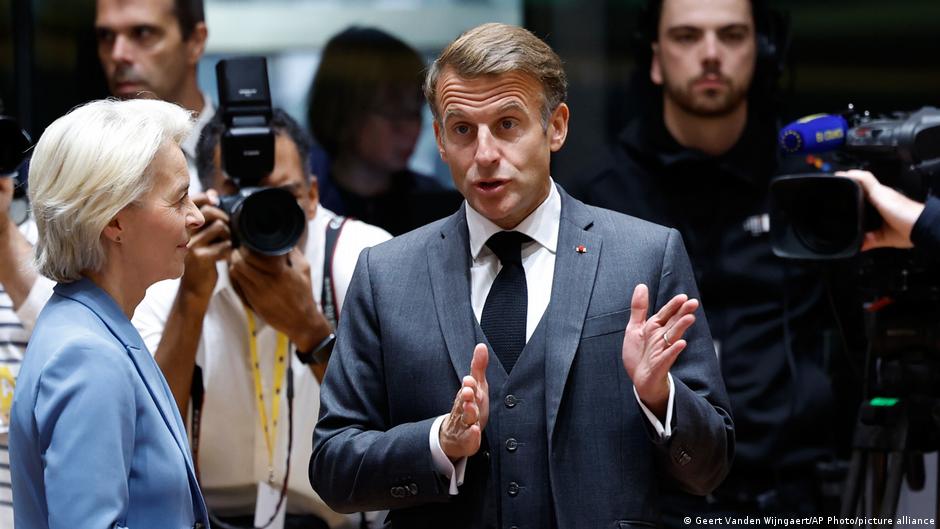
European Union leaders failed to agree on the bloc’s next seven-year budget during the first day of their summit in Brussels, leaving governments divided over the scale of spending, national contributions and possible new sources of revenue.
Negotiations produced no breakthrough and are expected to continue in December, AFP reported on Friday, October 16, citing sources in Germany’s federal government. The unresolved talks leave member states facing further negotiations over a financial framework that will determine the EU’s spending priorities for seven years.
According to the German government sources, several competing positions collided during the meeting of EU heads of state and government, resulting in what they described as “contentious debates.” The divisions were already apparent before the summit began.
Member states split over spending levels
Germany, Austria, Sweden, Denmark, the Netherlands and Finland are pressing for greater budget discipline. France, Spain and Poland, meanwhile, support increasing the EU budget. The opposing positions reflect a fundamental disagreement over the balance between containing member-state contributions and financing the bloc’s strategic priorities.
The European Commission presented a draft long-term budget worth almost €2 trillion during the summer. Ireland, which holds the presidency of the Council of the EU, subsequently proposed cutting that total by €140 billion, equivalent to approximately 8%.
The Irish proposal would reduce EU expenditure in several areas, including competitiveness, scientific research, defense and foreign policy. Those cuts would directly affect programs intended to strengthen European industry, innovation and security, while lowering the overall funding requirement placed on the budget.
Germany and several other net contributors are calling for savings, while France, Spain and Poland are seeking a larger financial framework.
For investors and companies, the outcome could influence the availability of EU-backed funding across research, industrial competitiveness and defense. The final allocation will also indicate how much fiscal capacity member states are prepared to place at the European level while national governments continue to manage their own spending pressures.
France proposes new EU-wide revenue streams
France used the summit to advocate new EU-wide levies that could expand the budget without increasing direct contributions from member states. The measures under discussion include charges on digital services, cryptoassets and online gambling.
Such levies would change the revenue side of the EU’s financial framework by giving the bloc additional sources of income tied to specific sectors. They could also create new costs and reporting considerations for companies operating in digital markets, cryptoassets and online betting, depending on how any eventual measures are structured.
The proposal highlights the competing approaches to closing the budget gap. Governments favoring restraint want to reduce the Commission’s planned expenditure, while supporters of a larger budget are considering additional revenue mechanisms rather than higher national contributions.
December deadline carries political risk
The next EU summit is scheduled for December. Many of the bloc’s 27 member states want to approve the long-term budget before the end of the year because elections in several countries in 2027 could bring Eurosceptic and populist forces to power.
In France, far-right politician Marine Le Pen could win the presidential election. AFP reported that President Emmanuel Macron has already warned that reaching an agreement on the EU budget would be “difficult” under that scenario.
The political timetable increases pressure on leaders to resolve the financial differences while the present group of governments remains in place. A delay could introduce greater uncertainty into negotiations over spending ceilings, sector allocations and the contributions expected from individual member states.
Germany rejects more funding for major traditional programs
Before negotiations began, German Chancellor Friedrich Merz called for a “substantial” reduction in the budget proposed by the European Commission. He also categorically rejected allocating additional money to two of the EU’s largest traditional spending areas: agriculture and cohesion policy.
Germany’s position reinforces the coalition of countries seeking savings and signals resistance to expanding established programs alongside newer priorities such as defense, research and competitiveness. The debate therefore concerns not only the total size of the balance sheet but also the distribution of expenditure among longstanding commitments and emerging strategic needs.
Austrian Chancellor Christian Stocker said the negotiations could drag on and continue into next year. His warning underscores the possibility that the EU may miss the preferred year-end deadline, prolonging uncertainty around the final size, funding structure and program allocations of the seven-year budget.
With no agreement from the summit’s opening day, the December meeting will become the next major test of whether the 27 governments can reconcile demands for fiscal restraint with calls for higher investment and new common revenue sources.