UniCredit Wins ECB Approval to Build Controlling Commerzbank Stake
The regulatory clearance allows UniCredit to cross the 30% ownership threshold and pursue control of Germany’s second-largest commercial bank.
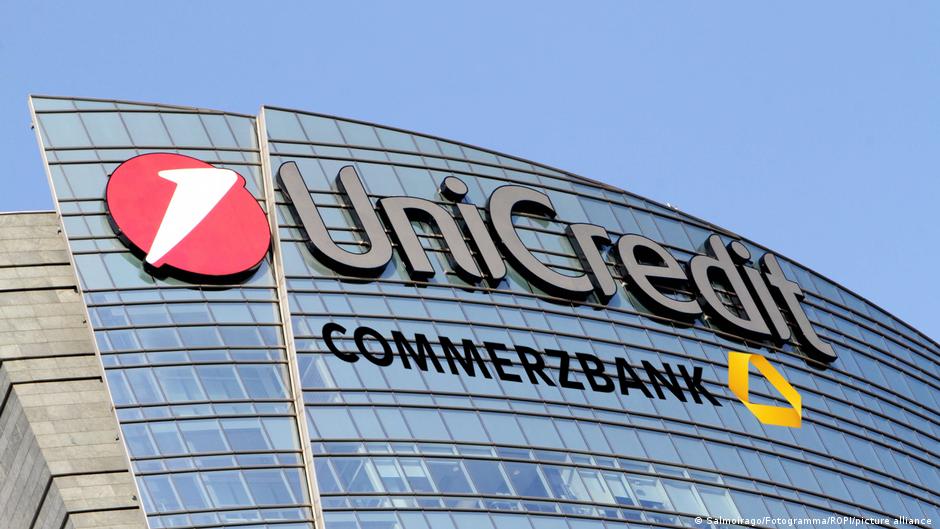
UniCredit has secured approval from the European Central Bank to acquire additional shares in Commerzbank, clearing a key regulatory hurdle in the Italian lender’s effort to take control of one of Germany’s two largest private banks.
UniCredit representatives announced the ECB’s decision on Thursday, October 15. The authorization permits the bank to exceed the 30% ownership threshold in Commerzbank and subsequently increase its holding without further ownership limits, according to German news agency dpa. In practical terms, the decision creates a path for UniCredit to absorb Germany’s second-largest commercial bank.
For investors, the approval significantly reduces regulatory uncertainty surrounding the proposed combination. It does not, however, eliminate the remaining execution risks. The transaction is expected to continue through supervisory procedures until the end of the current year, while German political opposition and concerns about employment remain unresolved.
Approval opens route to control
By the end of the regulatory process, UniCredit is expected to hold half of the voting rights at Commerzbank’s shareholders’ meeting, enabling it to establish control over the German lender, dpa reported. That prospective voting position is central to the financial significance of the deal: UniCredit would gain the ability to influence Commerzbank’s strategy, governance and future capital allocation.
The Italian bank framed the ECB’s decision as evidence of regulatory confidence in its financial and institutional standing.
The decision demonstrates confidence in UniCredit’s “strong position in the European banking sector,” the bank said.
The clearance follows an offer made in May under which UniCredit proposed exchanging each Commerzbank share held by participating investors for 0.485 UniCredit shares. Through that exchange proposal, UniCredit gained access to almost half of the German company’s shares. Completion of the share exchange nevertheless required authorization from the ECB, making the central bank’s review a decisive condition for advancing the transaction.
The all-share structure also makes the exchange ratio an important metric for both shareholder groups. Commerzbank investors must assess the value of 0.485 UniCredit shares against the value and prospects of remaining invested in an independent German bank. UniCredit shareholders, meanwhile, must consider the effect of the proposed issuance and combination on their ownership, future earnings participation and exposure to the German banking market.
Financial case meets political resistance
The ECB’s approval was not considered unexpected. The regulator has repeatedly indicated support for bank consolidation within the eurozone, according to dpa, on the grounds that cross-border combinations can strengthen the European Union’s single internal market. A UniCredit-Commerzbank transaction would fit that broader policy direction by creating a larger banking group with significant operations across major European markets.
From a financial-reporting perspective, the next phase will shift attention toward the prospective impact on UniCredit’s consolidated balance sheet and earnings profile. Investors will look for disclosures on the treatment of Commerzbank’s assets and liabilities, the costs of integration, potential restructuring measures and the timetable for realizing any operating benefits. The source announcement did not provide estimates for synergies, transaction expenses, job reductions or the expected effect on capital ratios and earnings per share.
Those missing financial details are especially relevant because Commerzbank’s management and employees, as well as the German authorities, have opposed UniCredit’s takeover plans. The German government owns slightly more than 13% of Commerzbank and is seeking to prevent job losses that could result from post-acquisition optimization measures.
Berlin also wants Commerzbank to remain a publicly listed company headquartered in Frankfurt am Main. German officials are seeking assurances that the bank will continue expanding services for the country’s small and medium-sized businesses, a customer segment with strategic importance to the domestic economy.
These demands could affect the scope and timing of any integration plan. Measures intended to lower costs or eliminate overlapping functions may face scrutiny if they threaten employment, Commerzbank’s Frankfurt base or its focus on German corporate clients. As a result, the potential financial benefits of the transaction will have to be weighed against political commitments and operational constraints.
Investors await the next set of disclosures
The ECB decision marks the most important regulatory milestone disclosed so far, but it is not the final step. Completion of the remaining supervisory procedures by year-end would move UniCredit closer to exercising control through its anticipated voting rights.
Until more detailed financial terms are released, shareholders will have limited information with which to model the combined group. Future investor-relations materials will be expected to clarify the transaction’s accounting treatment, funding and capital implications, integration costs, governance structure and expected contribution to revenue and profitability.
For now, the regulatory approval strengthens UniCredit’s position and turns the proposed takeover from a strategic ambition into a more actionable path to control. The financial outcome will depend on how the bank balances shareholder returns and integration objectives with the German government’s demands on employment, headquarters and continued support for small and medium-sized enterprises.