Moscow Airports Faced Flight Curbs After Reported Drone Wave Toward Capital
Russian officials said air defenses destroyed more than 100 drones headed toward Moscow, disrupting airports and regional flight schedules.
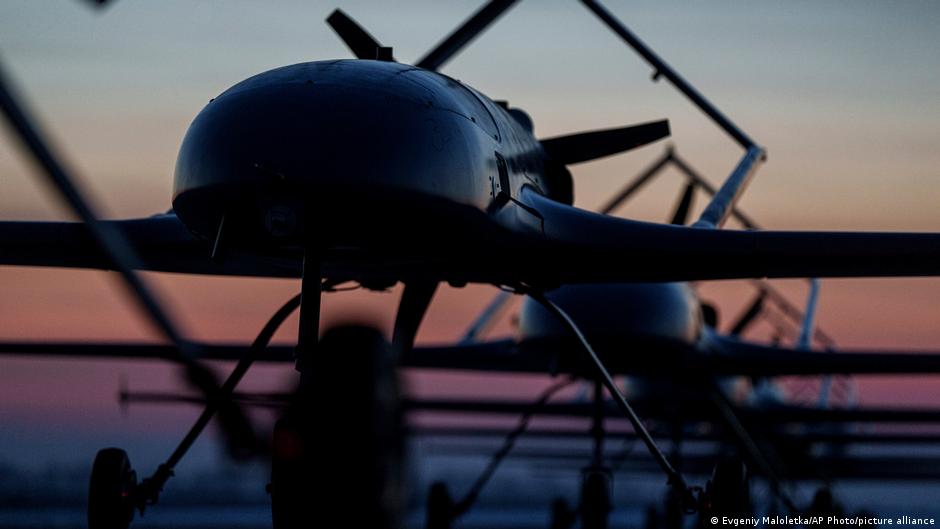
Russian air defenses destroyed more than 100 unmanned aerial vehicles that were heading toward Moscow overnight into Wednesday, October 14, according to messages posted on Telegram by Moscow Mayor Sergei Sobyanin, in an incident that created immediate operational disruption across the capital’s aviation hub and several regional airports.
The reported drone wave triggered temporary restrictions at all Moscow airports, affecting aircraft arrivals and departures at Vnukovo, Domodedovo, Sheremetyevo and Zhukovsky, according to notices published by the Telegram channel “Govorit Rosaviatsiya.” For airlines, airport operators and investors tracking Russian transport infrastructure, the episode underscored how security incidents can quickly translate into schedule changes, aircraft diversions and potential knock-on costs across the aviation network.
Sobyanin did not specify where in the Moscow region the drones were destroyed, nor did he identify what their potential targets may have been. The lack of detail leaves limited visibility into the assets at risk, but the operational response was clear: restrictions were introduced at the capital’s key airports as the attack unfolded.
“More than 100 unmanned aerial vehicles heading toward Moscow” were destroyed by Russian air-defense systems, according to the mayor’s Telegram messages.
Flight Diversions Add Operational Pressure
According to the TASS news agency, more than 30 aircraft flying to Moscow were diverted to other cities. The report said 19 aircraft bound for Vnukovo instead landed in Nizhny Novgorod, St. Petersburg, Minsk, Pskov and Istanbul.
The Telegram channel “Ostorozhno, Novosti,” which is associated with journalist Ksenia Sobchak, reported separately that, based on information from St. Petersburg’s Pulkovo airport, 20 aircraft flying to Moscow were redirected there because of the restrictions. The figures point to a material, if short-term, disruption for carriers operating into Moscow’s aviation hub.
Such diversions can affect airline operations through additional fuel use, crew scheduling complications, aircraft rotation delays and passenger re-accommodation. The source article did not provide financial estimates, airline-by-airline exposure or airport revenue impacts, but the scale of the diversions suggests a broad operational effect across both Moscow-bound flights and receiving airports in other cities.
Restrictions were not limited to Moscow. According to the “Govorit Rosaviatsiya” Telegram channel, temporary limits were also introduced overnight into October 14 at airports in Volgograd, Nizhny Novgorod, Samara, Penza, Saratov and Yaroslavl. The regional spread of restrictions is significant for companies and investors monitoring transport reliability, because interruptions at multiple nodes can compound delays across route networks.
Pobeda, the Russian low-cost airline, also reported schedule adjustments because of prolonged restrictions at airports in the Moscow aviation hub and the Volga region, according to “Ostorozhno, Novosti.” The article did not disclose the number of affected Pobeda flights, any passenger compensation costs or the expected duration of the schedule disruption.
Regional Damage Reported Outside Moscow
Separately, Saratov Region Governor Roman Busargin reported that at least one person was killed as a result of a drone attack. He said several residential buildings in the city of Balakovo were damaged.
“As a result of the UAV attack, several residential buildings in the city of Balakovo were damaged. Preliminary information: one person has died. All emergency services are working at the scene,” Busargin wrote in a Telegram post, according to the source article.
The death reported in Balakovo gives the incident a human cost beyond the aviation disruption. From a financial reporting perspective, the damage to residential buildings may also imply repair, insurance or local budget considerations, although the source did not provide any monetary assessment, insurance details or official damage estimate.
In another regional update, Stavropol Territory Governor Vladimir Vladimirov said air-defense forces had repelled a drone raid aimed toward the industrial zone of the city of Nevinnomyssk. He did not specify which industrial facilities may have been targeted.
The reference to an industrial zone is notable for readers focused on corporate operations and balance-sheet risk, but the available information remains limited. No company names, damaged assets, production stoppages or financial losses were reported in the source article. Without those details, the immediate financial significance lies chiefly in operational risk and the potential for disruption rather than any confirmed balance-sheet impact.
The overnight events therefore combined two types of exposure: aviation network disruption around Moscow and several regional airports, and localized damage or risk to residential and industrial areas. For companies with logistics, travel, staffing or infrastructure exposure in affected regions, the incident highlights the continuing need to monitor security-related operating constraints.
Russian officials’ accounts, as cited in the source, described a large-scale drone attack and a broad air-defense response. The article did not include comment from Ukrainian authorities, nor did it provide independent verification of the number of drones destroyed, the intended targets, the full duration of airport restrictions or the total number of passengers affected.