Kyiv Power and Water Disruptions Raise Infrastructure Financial Risks
Damage to Ukrainian energy assets disrupted essential services in Kyiv and Lutsk, renewing concerns over repair costs and operating resilience.
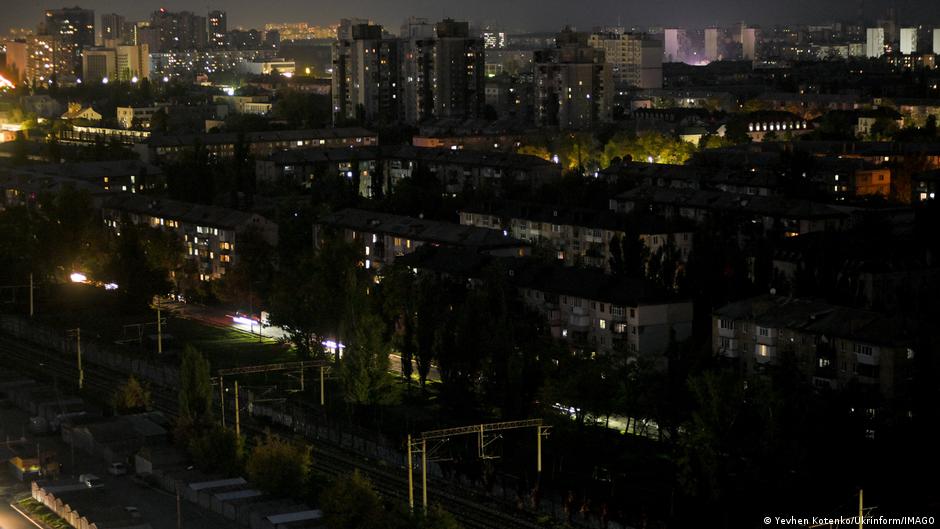
Power outages and water-supply problems were reported in parts of Kyiv and the surrounding region after Russian forces struck an energy infrastructure facility, Ukrainian officials said on Thursday evening, October 15. Electricity disruptions were also recorded in the western Volyn region following a separate attack.
For investors, creditors and public-sector financial managers assessing Ukraine, the incidents underscore the continuing exposure of utilities and municipal services to physical damage, emergency repair requirements and operational interruptions. The latest attacks did not come with official estimates of repair costs, lost revenue or the value of the damaged assets, leaving the immediate balance-sheet impact unclear.
Ukraine’s Energy Ministry and Kyiv Mayor Vitali Klitschko said electricity had been cut in certain districts of the capital and Kyiv region after the attack on energy infrastructure. The ministry indicated that restoration teams would begin work when security conditions permitted.
“As soon as security conditions allow, crews will promptly begin restoring the electricity supply. Energy workers are doing everything possible to restore power as quickly as possible,” the ministry said.
Klitschko said damage to energy facilities in the Kyiv region had also reduced water pressure in parts of the capital. The connection between electricity infrastructure and water services highlights the potential for damage to one network to create broader operational consequences for other municipal systems.
Utility disruptions extend to Volyn region
Russia also attacked the Volyn region on the evening of October 15. Debris from intercepted drones damaged power transmission lines, resulting in interruptions to electricity and water supplies in Lutsk, the regional capital, according to Roman Romanyuk, head of the regional military administration.
Romanyuk said three jet-powered drones entered Volyn’s airspace during the evening air-raid alerts and were shot down by air-defense forces. Although the drones were intercepted, falling debris still damaged grid infrastructure, illustrating the financial and operational risks that remain even when an attack does not directly reach its intended target.
No financial metrics were disclosed for either the Kyiv-region energy facility or the damaged transmission lines in Volyn. Officials also did not provide timelines for full restoration, details of affected generating or transmission capacity, or estimates of the number of customers experiencing disruptions. Those omissions limit any immediate assessment of repair provisions, replacement capital expenditure or the effect on utility revenue collection.
From a financial-reporting perspective, repeated infrastructure damage can affect more than the cost of physical repairs. It can increase maintenance needs, require emergency procurement and redirect capital from planned modernization projects. Interruptions can also create liquidity pressure for utilities if service delivery and billing are disrupted. The source information, however, provides no company-level accounts, quarterly results or revised financial guidance connected to the attacks.
Reported attack plan points to broader asset exposure
The New York Times reported that Russia had prepared a plan for attacks intended to disable Ukraine’s energy system and cut Kyiv, Kharkiv and Odesa off from electricity, water and heating supplies. The newspaper cited an intercepted Russian attack plan that Ukraine presented to European officials at the beginning of autumn.
According to the newspaper’s assessment, executing the plan would require about 70 ballistic missiles, 720 long-range drones and 150 guided bombs. Under that scenario, Kyiv, Kharkiv and Odesa would lose about 90% of their electrical-power capacity, while heat-supply volumes would decline by 90%. Water and sewerage systems would also face severe disruption, the report said.
Those figures describe a potential scenario rather than confirmed damage from the October 15 attacks. Even so, the scale outlined in the reported plan indicates the magnitude of infrastructure exposure facing Ukrainian utilities, municipalities and the state budget. A loss of capacity on that scale could generate substantial reconstruction needs and place pressure on funding for replacement equipment, network repairs and continuity measures, although no monetary estimate was provided.
The New York Times also reported, citing its sources, that Russia could seek to exploit shortages of air-defense equipment within the Ukrainian military, particularly interceptor missiles used by the Patriot air-defense system. Any continuing shortage would remain relevant to financial risk assessments because the protection of major energy assets affects the likelihood of further damage and the potential need for repeated restoration spending.
The immediate priority remains restoring electricity and water services once security conditions permit. For financial stakeholders, the key unresolved issues are the extent of physical damage, the duration of outages, the source of repair funding and whether the affected operators will disclose measurable effects in future financial or operational reporting.