Finland Lifts Ban on Nuclear Weapons Importation and Storage Starting July 1
President of Finland signs amendments removing the prohibition on nuclear weapons to enhance national and NATO security.
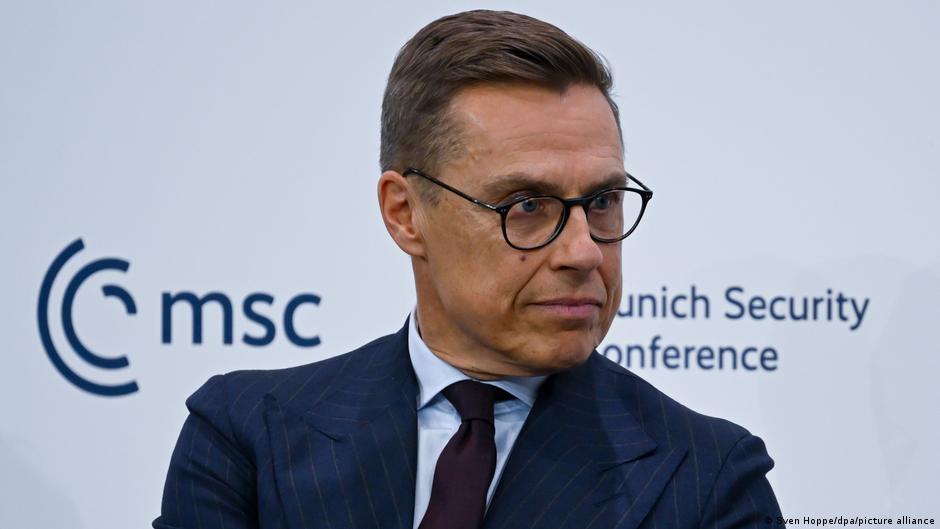
Finland's President Alexander Stubb has approved amendments to the nation's Atomic Energy Act, effectively lifting the ban on the importation and storage of nuclear weapons within Finnish territory. These legislative changes are set to take effect from July 1.
The decision follows a parliamentary vote on March 17, where 125 members supported the amendments against 61 opposing them. Finnish Defense Minister Antti Häkkänen described this legislative reform as "historic," emphasizing its role in strengthening both Finland's and NATO's security architecture.
Strategic and Security Implications
President Stubb clarified Finland’s stance by asserting that the country does not intend to deploy nuclear weapons during peacetime. "This concerns nuclear deterrence—a factor designed to guarantee that nuclear weapons will never need to be used," he stated.
"This concerns nuclear deterrence—a factor designed to guarantee that nuclear weapons will never need to be used." – President Alexander Stubb
The legislative change aligns with Finland's evolving defense posture following its NATO membership formalized in April 2023, subsequent to its May 2022 application amid the escalation of Russia's full-scale invasion of Ukraine. Finland shares a 1,300-kilometer border with Russia, underscoring the sensitive geopolitical context.
The Kremlin responded to the March parliamentary decision with threats of "retaliatory measures" should nuclear weapons be stationed on Finnish soil. In response, Minister Häkkänen affirmed Helsinki's preparedness for Moscow's reaction and suggested that the amendment diminishes the likelihood of Finland becoming a target of Russian military activity.
Earlier in January, Finland also withdrew from the Ottawa Treaty prohibiting the production, use, and stockpiling of anti-personnel mines. President Stubb cited deteriorating global security conditions for this move, highlighting Russia's non-participation and active use of landmines near Finland.
Financially, these legislative shifts may have significant implications for Finland’s defense spending and procurement strategies, including potential investments in nuclear-capable infrastructure and enhanced military capabilities. Investors and analysts monitoring defense budgets and NATO-related expenditures should expect increased clarity on Finland's long-term defense investment plans following these amendments.
In May 2026, President Stubb called for Europe to initiate direct dialogue with Russia, signaling a nuanced approach aimed at balancing deterrence with diplomatic engagement.
Overall, Finland's amendments to its Atomic Energy Act mark a critical evolution in its defense and security policy, reflecting broader geopolitical shifts in the region and signaling increased integration within NATO's nuclear deterrence framework.