France Tightens Visa Issuance Rules for Russian Citizens Amid Rising Demand
France joins other EU countries in imposing stricter visa application procedures for Russians, requiring personal submission of documents starting July 15.
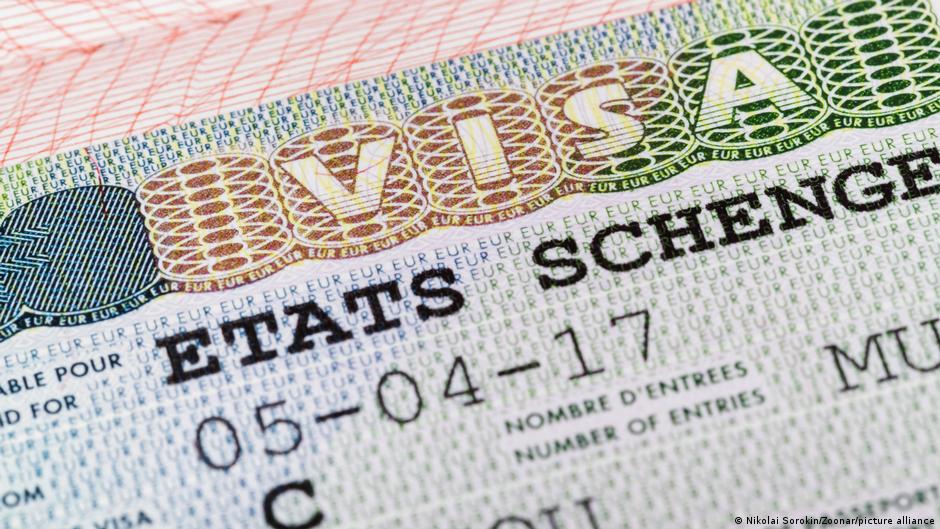
Following Italy, Spain, and Hungary, France has introduced stricter rules for issuing visas to Russian citizens. Starting July 15, applicants must submit their visa documents in person or through close relatives, marking a significant shift in the visa application process.
New Visa Application Procedures and Impact on Processing Times
The French visa center in Moscow will no longer accept applications submitted via notarized power of attorney. Instead, only the applicant themselves, parents or guardians applying for minors under 18, or close relatives such as spouses, children, and parents may submit documents. Close relatives must provide original documents proving kinship, and all applicants must have completed biometric procedures within the last 59 months.
"Applicants aged over 12 must provide biometric data, and personal signing of the application form is mandatory," the new guidelines specify.
These changes come amid growing demand for Schengen visas among Russian citizens. Italy’s visa processing times have surged to 60 days, while Spain reports delays up to 45 days. Hungary has halted visa application acceptance in several Russian cities, including Samara, Ufa, and Kazan.
From a financial reporting perspective, these developments could influence travel-related sectors, impact international business operations, and affect investor confidence in companies dependent on cross-border mobility. Visa delays and stricter application protocols may result in reduced travel volumes, potentially dampening revenue streams for tourism operators, airlines, and multinational corporations with ties to Russia.
For investors and analysts, monitoring these regulatory changes is crucial for assessing risks to companies with exposure to Russian markets or reliant on European travel corridors. Prolonged visa processing and greater administrative hurdles could affect quarterly earnings for sectors tied to international travel and logistics.