German Authorities Grant Asylum to Russian Anti-War Activist After Lengthy Legal Battle
Ilya Shkolny, previously denied asylum twice, now secures refugee status in Germany amid growing political concerns.
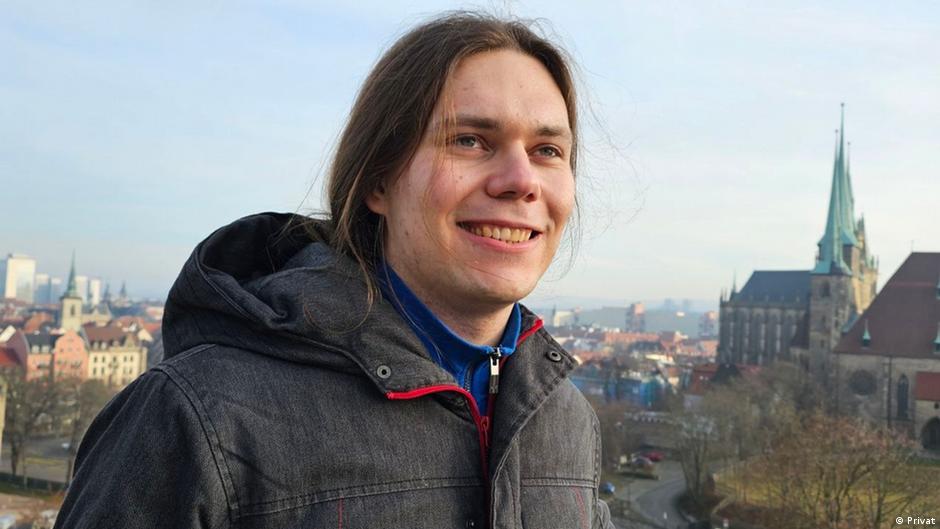
German authorities have reversed their earlier decisions and granted asylum to Russian anti-war activist Ilya Shkolny after a protracted three-year legal struggle. Shkolny narrowly avoided deportation from Germany to Russia in early 2026, thanks to vigorous support from human rights organizations and political advocates.
Prolonged Asylum Proceedings and Legal Challenges
Shkolny’s attempt to secure political asylum in Germany began shortly after his arrival on a 90-day visa in June 2022. The visa, issued during the COVID-19 pandemic, was intended for binational couples, as Shkolny was visiting his German partner, Ansuela Baldemair. The couple soon decided to marry, but Shkolny was determined not to return to Russia, particularly following the escalation of the Russian invasion of Ukraine, citing growing political risks and personal safety concerns.
Despite multiple interviews with the Federal Office for Migration and Refugees (BAMF), Shkolny was denied asylum twice. The BAMF initially argued that the threat of conscription into the Russian military did not qualify as grounds for protection and downplayed political risks related to his activism. Subsequent appeals highlighting worsening political repression in Russia—including new laws increasing penalties for dissent and electronic summons for military service—were also rejected due to a lack of "new circumstances." These decisions were contested through the courts, but even a request to suspend the refusal was denied in November 2025.
In addition to asylum claims, Shkolny sought a residence permit based on marriage. This application was also denied by German immigration authorities, who cited BAMF’s findings that he was not at risk in Russia and that the couple’s separate living arrangements called the marriage’s legitimacy into question.
"The legal and bureaucratic obstacles Shkolny faced illustrate the complexities asylum seekers encounter, especially when political and personal factors intertwine," remarked an InTransit coordinator.
Support from Political and Academic Circles
Throughout the ordeal, Shkolny received significant backing from various quarters. Several members of the German Bundestag petitioned the Ministry of the Interior to reconsider his case thoroughly. Support also came from students and faculty at the University of Bayreuth, where Shkolny is enrolled. A petition launched on March 23 gathered nearly 2,500 signatures urging authorities to halt his deportation and grant him legal residency.
Ultimately, the German government’s decision to grant asylum reflects heightened sensitivity to political persecution cases amid ongoing geopolitical tensions. Shkolny’s activism included volunteer work with Alexei Navalny’s campaign, participation in the "Smart Voting" initiative, and election monitoring under the "Golos" movement, adding weight to his claims of political risk upon return to Russia.
The case underscores the importance of continued advocacy and legal scrutiny in asylum processes, especially for politically active individuals fleeing repression.