Lukoil’s Nizhniy Novgorod Refinery Halves Capacity Following Drone Attack
Ukraine’s drone strike leads to shutdown of over half the primary processing unit at Lukoil’s major refinery, impacting Russian fuel production significantly.
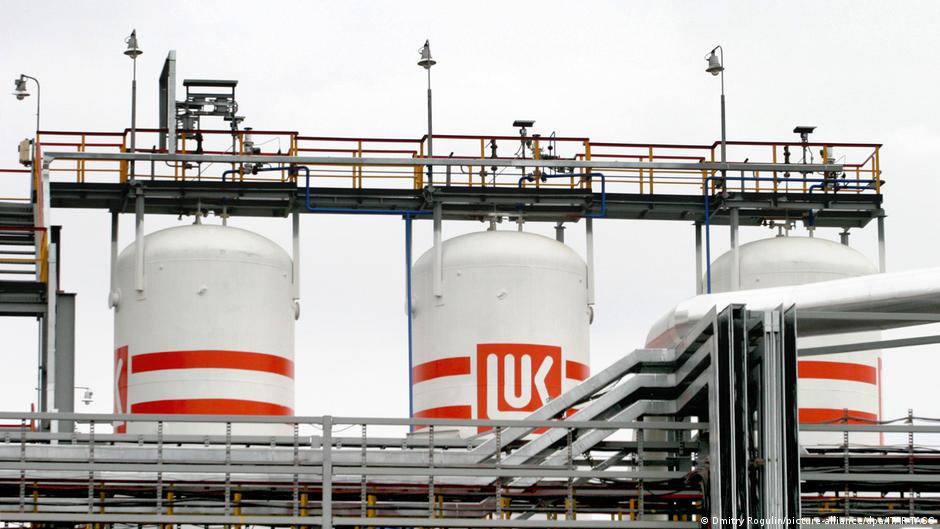
One of Russia's largest oil refineries, Nizhniy Novgorod Oil Refinery (NORSI), operated by Lukoil, has halted over half of its processing capacity after a drone strike attributed to Ukrainian forces on the night of May 20. This development marks a significant disruption in Russia’s refining sector, impacting the refinery's output and potentially affecting fuel supplies.
Operational Impact and Refinery Capacity
The attack targeted the refinery’s primary oil processing unit, AVT-6, which accounts for 53% of the plant’s total throughput capacity—around 25,700 tons per day. Prior to the strike, NORSI was capable of processing approximately 16 million tons of crude oil annually, equivalent to roughly 320,000 barrels per day. The refinery ranks as Russia’s fourth largest and is the nation’s second largest gasoline producer.
"NORSI’s shutdown of the AVT-6 unit represents a severe curtailment of its daily output, directly reducing overall fuel production in the region."
The refinery is located in Kstovo, Nizhny Novgorod region. Media reports and open-source intelligence previously indicated fires at the facility following the strike, though local authorities have yet to confirm these details. Notably, this is the second interruption the refinery has endured in a two-month period; a similar drone attack occurred on the night of April 5, causing prior damage and operational suspension.
Broader Industry Effects and Production Concerns
According to industry sources, the string of Ukrainian drone attacks across multiple central Russian refineries has forced widespread reductions and suspensions of fuel production. The combined annual capacity of refineries affected by full or partial shutdowns exceeds 83 million tons, or approximately 238,000 tons daily. This represents about one quarter of Russia’s total refining capacity.
More specifically, the impacted capacity accounts for over 30% of the country’s gasoline output and around 25% of diesel production. These figures highlight the material impact the strikes have had on Russian fuel availability and potentially on regional energy markets.
The Russian Ministry of Energy has not provided official commentary regarding these developments. Lukoil has also declined to comment on the refinery’s operational status following the attacks.
The recent disruptions underscore the vulnerability of critical oil infrastructure amid ongoing geopolitical tensions and suggest potential volatility in Russia’s fuel supply chains and refining sector earnings. Investors and market analysts will be closely monitoring the situation for further developments, particularly concerning the refinery’s repair timeline and the broader impact on Lukoil’s financial performance.