Moldova Records Five Drone Incursions, Raising Fiscal Risk Questions
Repeated airspace violations highlight potential security costs and disclosure risks for Moldova’s public finances and infrastructure operators.
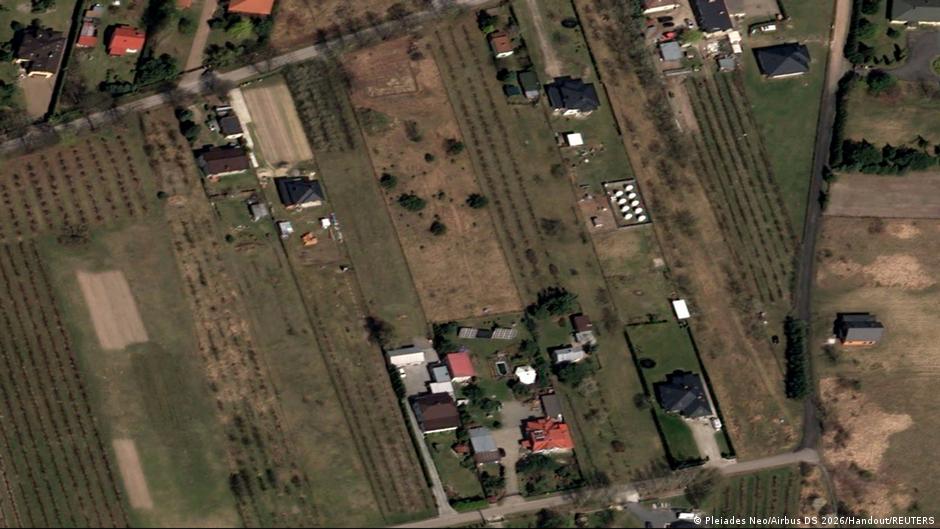
Moldova recorded five drone incursions into its airspace on Friday, October 16, including one aircraft that crashed and exploded near the village of Novye Kodryany, according to the country’s Ministry of Defense. The incidents add to a growing security burden that could affect government spending priorities, infrastructure risk assessments and the disclosures expected from companies operating near the Ukrainian border.
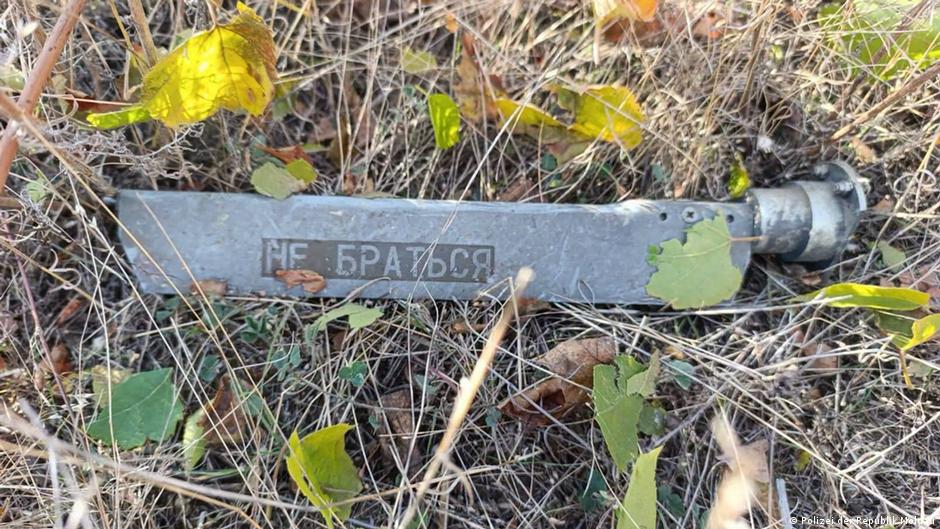
The ministry said the drone illegally entered Moldovan airspace at 4:22 p.m. local time. At 5:06 p.m., authorities announced that the aircraft had fallen and exploded. Novye Kodryany is approximately 50 kilometers from Moldova’s border with Ukraine. Moldovan police published a photograph of wreckage from the drone on Facebook.
No financial damage estimate was provided, and the authorities did not report whether the explosion affected homes, businesses, agricultural property or public infrastructure. Those omissions leave the immediate balance-sheet consequences unclear. For investors and lenders, however, the frequency of the incursions is becoming a measurable operating-risk indicator rather than an isolated geopolitical event.
Rising incident count may influence spending and risk reporting
Several hours before the drone crashed, Moldova’s Defense Ministry said the country’s airspace had been violated seven times since October 10 amid Russian attacks on Ukraine. Six of those cases involved drone overflights: two occurred on October 15 and another four during the night of October 16.
The seventh incident in that earlier tally involved a drone carrying explosives that fell on October 10 in Geamana, also about 50 kilometers from the Ukrainian border. The later crash near Novye Kodryany increased the number of events requiring investigation, emergency response and security coordination.
Since the beginning of the year, the ministry has recorded 64 violations of Moldovan airspace. Sixteen of them, including the October 16 incidents, occurred during the current month. Since Russia began its full-scale war against Ukraine in 2022, Moldova has registered 101 airspace violations.
The accelerating incident rate could become relevant to Moldova’s budget planning, particularly if the government increases allocations for air surveillance, civil protection, explosive-ordnance response or repairs to affected public assets. The source information did not specify any new appropriations, procurement plans or estimated costs. As a result, the potential fiscal effect cannot yet be quantified.
Such incidents “endanger the safety of citizens,” Moldova’s Foreign Ministry said.
The Foreign Ministry “strongly condemned” the repeated violations and called on Russia to “immediately stop attacks on Ukraine and comply with international law,” including respect for Moldova’s sovereignty and territorial integrity.
Implications for companies and financial disclosures
For businesses, repeated drone and missile incidents can raise questions about asset protection, insurance coverage, supply-chain continuity and employee safety. Companies with facilities, transport routes or agricultural holdings near the Ukrainian border may need to assess whether the pattern represents a material operational risk. Any accounting effect would depend on actual damage, insurance terms and the probability of future disruption; none of those company-specific details was disclosed in the source information.
Infrastructure operators and regulated businesses may also face closer investor scrutiny over contingency planning and capital expenditure. Potential areas of attention include whether additional security measures are required, whether insurance premiums or exclusions change, and whether business-continuity assumptions remain appropriate. These are possible reporting considerations rather than costs already announced by Moldovan authorities or companies.
An earlier incident illustrates the physical reach of the risk. On the morning of October 3, three missiles and two drones violated Moldovan airspace and fell within the country. No deaths or injuries were reported. Moldova’s Defense Ministry said that episode resulted from Russia’s large-scale strikes on Ukraine.
The absence of casualties limits the currently disclosed human impact, but the cumulative number of violations creates a more persistent risk profile. For sovereign-credit analysts, the key financial questions will include whether security-related spending rises, whether external financing is needed and whether repeated incursions affect economic activity in exposed regions. For corporate investors, attention will center on asset impairment, insurance recoverability, operational interruptions and any related provisions or contingent liabilities.
Until authorities publish damage assessments or budget measures, the direct financial effect of the October 16 events remains undetermined. The available figures nevertheless show a clear increase in the frequency of airspace violations, giving investors and financial-reporting teams a concrete security metric to monitor alongside Moldova’s fiscal accounts and corporate risk disclosures.