Starlink Station Fire in Poland Raises Infrastructure Risk Concerns
Investigators are examining whether a Turkish criminal group attacked the satellite facility near Warsaw on behalf of Russian intelligence.
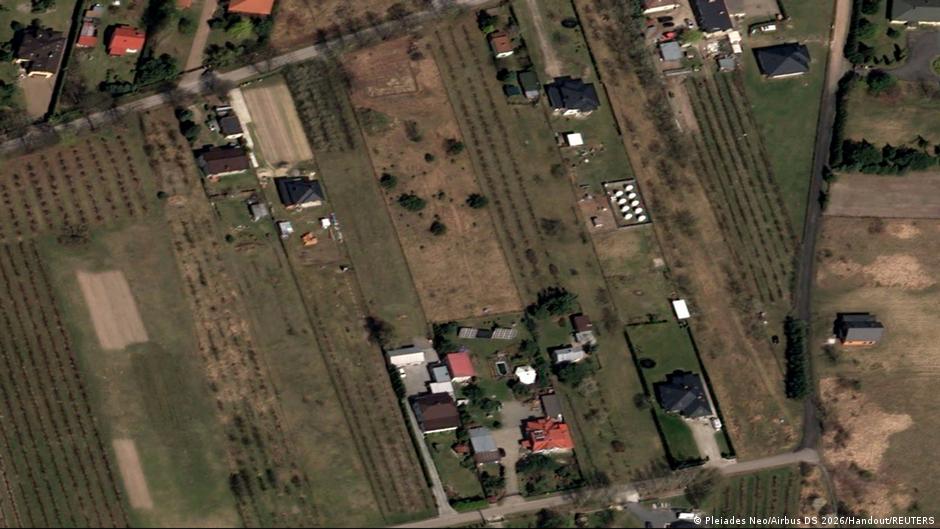
A suspected arson attack that briefly disrupted a Starlink ground station in Poland is drawing attention to the operational and financial risks surrounding critical communications infrastructure in Europe.
German magazine Der Spiegel reported on Friday, Oct. 16, citing sources in several countries, that the Turkish organized crime group Daltons may have been involved in the fire at the satellite communications facility near Warsaw. The group, which has for years been linked to extortion, arms trafficking and contract killings, including in Germany, may have acted on instructions from Russian intelligence services, according to the report.
The allegations have not been proven. Polish authorities described the incident as a suspected act of sabotage shortly after the fire, but no direct evidence connecting Russia to the attack has been disclosed.
Temporary outage highlights asset vulnerability
The Starlink ground station, located in the village of Wola Krobowska about 50 kilometers from Warsaw, was damaged in an arson attack on Sept. 23. The fire affected an electrical substation and a generator. German tabloid Bild reported that the facility stopped operating for a short period before returning to service. No injuries were reported.
Although the interruption was brief, the incident illustrates the exposure of satellite communications networks to attacks on terrestrial assets. Ground stations, power equipment and backup generators represent physical points of vulnerability even when the broader communications system is based in orbit.
For investors and corporate finance teams assessing communications and defense-related businesses, such incidents can translate into several categories of risk: repair expenses, higher security spending, insurance costs, service interruptions and potential capital requirements for additional redundancy. No estimate of the damage, repair bill or financial impact of the Polish fire has been released.
The absence of disclosed financial figures means the event cannot yet be quantified in earnings or balance-sheet terms. However, repeated attacks on communications infrastructure could force operators and public-sector customers to reassess security budgets, contingency planning and the geographic distribution of critical equipment.
German arrests and possible extradition
Two Turkish citizens were detained on Oct. 12 in Nürtingen, Germany, as part of the investigation. Der Spiegel identified them as 38-year-old Ümit E. and 34-year-old Müslüm T.
Representatives of several law-enforcement agencies told the magazine that the men either belong to the Daltons group or carried out assignments for its members. The Higher Regional Court in Stuttgart is expected to decide soon whether the two suspects should be extradited to Poland.
Two additional people, including a woman, were detained on Oct. 13 in connection with the investigation. Polish radio station RMF FM reported that German authorities conducted a counterterrorism operation in Berlin to apprehend the woman. Investigators preliminarily believe she may have provided logistical assistance to the Turkish citizens and acted as their driver.
Investigators examine alleged Russian connection
Der Spiegel reported that the Daltons may have been operating on behalf of Russian intelligence. The magazine pointed to the detention in Russia in 2024 of Beratcan Gökdemir, the alleged leader of the group.
Turkey requested Gökdemir’s extradition, but Russian authorities did not hand him over to Ankara. According to Der Spiegel, German intelligence agencies believe Moscow may have offered him protection in anticipation of receiving services in return. His current whereabouts are unknown.
“Many indications suggest that what happened corresponds to the new Russian doctrine of conducting attacks,” Polish Deputy Prime Minister Krzysztof Gawkowski said on Sept. 23.
Gawkowski’s statement came as Polish authorities characterized the fire as an attempted act of sabotage. Officials have nevertheless acknowledged that direct proof of Russian involvement has not yet emerged.
The continuing investigation creates an additional layer of geopolitical risk around communications assets that may be considered strategically important. From a financial-reporting perspective, companies exposed to such infrastructure may need to evaluate whether security incidents create material repair obligations, impairment indicators, insurance recoveries or additional capital expenditure needs.
In this case, there has been no public disclosure of material losses, prolonged service disruption or changes to financial forecasts. The principal measurable effect reported so far was a temporary suspension of operations at the station, followed by its return to service. The extradition proceedings and the Polish investigation may determine whether prosecutors can substantiate the alleged links among the detainees, the Daltons organization and Russian intelligence services.