NATO Confirms Russian Origin of Drone Crashing into Romanian Residential Building
NATO and Romanian authorities identify the drone as Russian-made; incident raises security and diplomatic tensions.
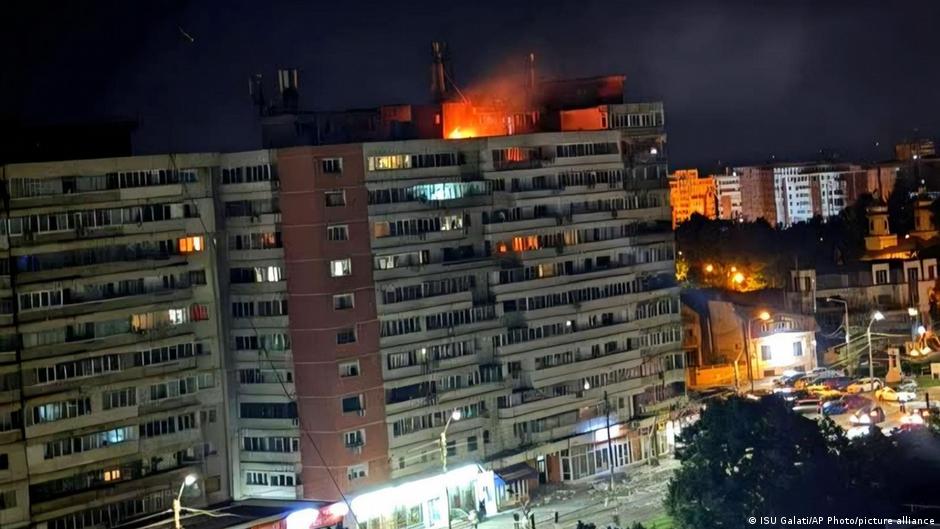
NATO has concurred with Moldova's findings that the drone which crashed into a residential building in Romania is of Russian origin. The incident, which occurred in the city of Galați near the Ukrainian border, has prompted heightened security concerns and diplomatic actions.
The drone struck a tenth-floor apartment on the night of May 29, igniting a fire and injuring two people. Romanian authorities have attributed the drone to Russia based on the serial numbers discovered on the wreckage.
Details and Diplomatic Fallout
Martin O'Donnell, a spokesperson for the Supreme Allied Commander Europe (SHAPE), confirmed NATO's agreement with the assessment that the unmanned aerial vehicle (UAV) was Russian-made. The Romanian Ministry of Defense, through Minister Radu-Dinel Miruță, emphasized that forensic evidence from the drone debris conclusively points to Russian manufacture.
Following the incident, Romania requested NATO to strengthen its air defense capabilities in the region, framing the drone strike as a violation of international law. Romanian President Nicolae Ciucă stated that Ukrainian air defenses had shot down several Russian drones crossing Ukrainian airspace. One drone, after being hit near the city of Reni, allegedly changed course, leading it to crash in Galați.
"Responsibility for the strike on the residential building in the Romanian border city obviously lies with Russia," said President Ciucă during a press briefing.
In a reciprocal diplomatic measure, Russia's Consul General in Constanța was declared persona non grata, and the Russian consulate there is set to be closed.
Russian Response and Broader Implications
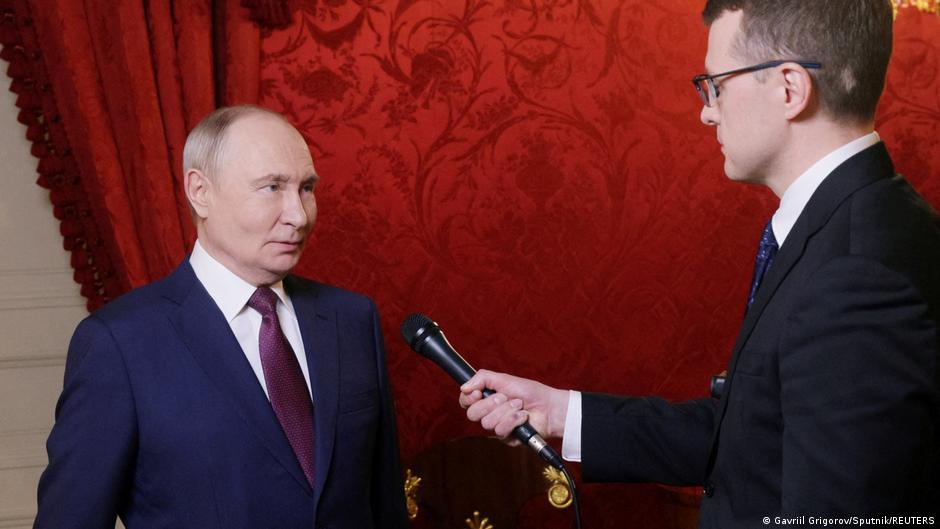
Russian President Vladimir Putin expressed skepticism about the drone's origin during a press conference in Astana, stating that the exact origin cannot be confirmed without a thorough expert examination. This statement underscores the ongoing tensions and contested narratives surrounding incidents along the Ukraine-Romania border.
The incident is significant for investors and stakeholders monitoring Eastern European geopolitical risks, as it highlights the fragile security environment near EU and NATO eastern borders. The call for enhanced air defense could lead to increased defense spending and shifts in military procurement priorities among NATO members, impacting regional economic and strategic outlooks.