Norway Freezes Russian Research Vessel in Naftogaz Asset Recovery Push
The detention of the Professor Molchanov marks another step in Naftogaz’s cross-border enforcement campaign tied to its $5 billion Crimea arbitration award.
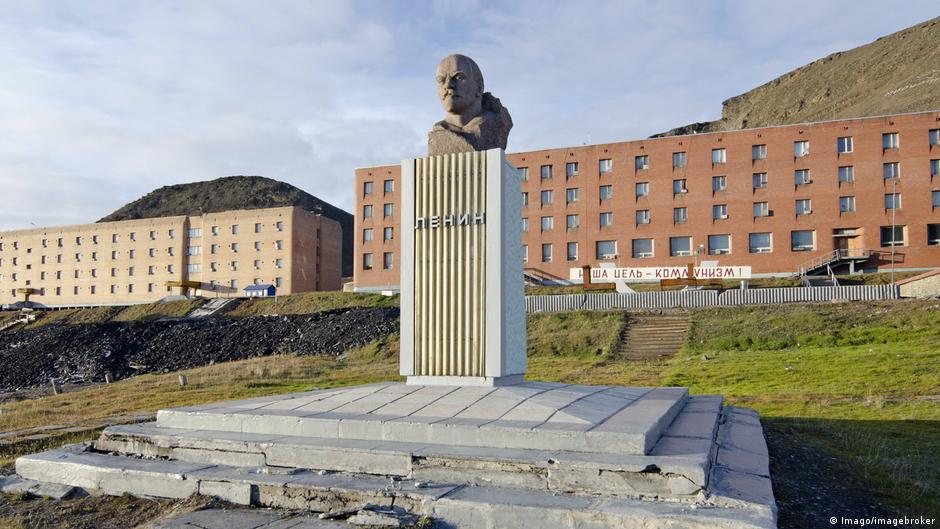
Norwegian authorities have detained the Russian research vessel
Professor Molchanovin Barentsburg, Svalbard, following a court-backed application by Naftogaz Group of Ukraine as the energy company continues efforts to recover compensation from Russia over assets lost in Crimea.
The governor of Svalbard said on Wednesday, September 2, that the arrest was carried out under a ruling by the Nord-Troms district court dated August 31. The court authorized the detention of the vessel in response to a request from Naftogaz Group, which is seeking to collect on claims it says are owed by Russia.
For investors and legal observers, the move underscores how enforcement of arbitration awards can extend beyond courtroom judgments into tangible pressure on state-linked assets located in third countries. While the ship itself is a scientific research vessel rather than a commercial cargo asset, the detention reflects the practical mechanics of cross-border recovery in disputes involving sovereign defendants.
According to the governor’s office, the proceedings and the resulting detention form part of Naftogaz’s efforts to recover funds expropriated by Russia in 2014. Naftogaz also confirmed on its own website that the Russian vessel had been arrested toward repayment of what it describes as a debt owed by the Russian authorities to the company.
The vessel will remain in Barentsburg until the governor or the Nord-Troms district court decides otherwise. Norwegian authorities said arrangements would be made for crew members and passengers. Support will also come from Arktikugol, the Russian coal-mining enterprise that has operated on Svalbard since 1931. The company describes itself as the principal Russian organization on the archipelago and says it is subordinate to Russia’s Ministry for the Development of the Far East and the Arctic.
Arbitration Award Remains Central to Recovery Strategy
The ship seizure is rooted in a long-running arbitration dispute launched by Naftogaz in 2016 after the company lost assets in Crimea. In February 2019, an arbitration tribunal in The Hague ruled in Naftogaz’s favor, finding that Russia had breached obligations under the investment protection agreement with Ukraine and had unlawfully expropriated the company’s investments.
The tribunal assessed the seized assets at $5 billion, or 4.3 billion euros as stated in the source material. That figure remains the core financial reference point for Naftogaz’s recovery campaign and is material not only because of its size, but because it frames the legal basis for pursuing enforcement against Russian assets abroad.
Russia’s Justice Ministry said at the time that it would not recognize the Hague ruling and would take all necessary measures to ensure representation and protection of Russia’s interests. That refusal to accept the award is a key factor behind Naftogaz’s efforts to identify and target assets in jurisdictions where foreign arbitral awards may be recognized and enforced.
Naftogaz previously said that if Russia declined to comply voluntarily, the company would be entitled under the 1958 New York Convention on the Recognition and Enforcement of Foreign Arbitral Awards to seek compulsory enforcement in countries where Russian assets are located. The detention in Norway appears to follow that playbook, converting a legal judgment into an asset-specific enforcement action.
From a financial reporting perspective, the case highlights the difference between winning an arbitration award and converting that award into recoverable value. For corporate stakeholders, the headline number attached to a judgment does not automatically translate into cash realization. Instead, collection can depend on years of litigation, jurisdiction-by-jurisdiction enforcement, asset tracing, and the willingness of local courts to act.
That makes each successful seizure or detention significant. Even when the direct monetary value of a specific asset is not disclosed, enforcement actions can strengthen a claimant’s position by demonstrating that judgments can be executed in practice. They can also raise legal and operational costs for the debtor side.
Broader Pattern of Asset Enforcement
The Norwegian action follows another case cited in the source material. In early June 2026, the district court in the Swedish city of Ystad ruled that the dry cargo vessel Caffa, which had been detained by Swedish authorities in March in the Baltic Sea on suspicion of belonging to Russia’s so-called shadow fleet, would be transferred to Ukraine.
Ukraine’s Prosecutor General Ruslan Kravchenko described that ruling as the first case in which a foreign court, acting on a Ukrainian request, approved the arrest of a vessel linked to the export of Ukrainian products from occupied territories. Ukrainian authorities allege that the Caffa carried grain in the summer of 2025 from occupied Sevastopol to the Syrian port of Tartus. According to Kravchenko, a scheme involving false registration was used to conceal the activity.
Taken together, the Caffa decision and the detention of the Professor Molchanov indicate a broader enforcement environment in which Ukrainian entities are pursuing Russian-linked maritime assets through foreign courts. The legal theories and factual backgrounds differ, but both cases point to a more aggressive use of international judicial channels to convert claims into control over physical assets.
For Naftogaz, the detention in Svalbard is therefore more than an isolated legal event. It is part of a multi-year investor-relations and claims-enforcement narrative centered on the company’s effort to secure compensation for the loss of Crimean assets. Although no recovery amount connected to the vessel has been disclosed, the action signals continued momentum in the company’s attempt to turn its arbitration victory into enforceable value.
The next immediate question is procedural rather than operational: whether the Nord-Troms district court or the governor of Svalbard modifies or lifts the detention order. Until then, the Professor Molchanov remains immobilized in Barentsburg as Naftogaz presses its recovery case against Russia through foreign courts and asset-based enforcement measures.