Putin Sees Scope for Peace Talks as Zelensky Awaits U.S. Envoys
Statements from Moscow and Kyiv pointed to possible diplomatic movement, with both sides signaling further contact involving U.S. representatives.
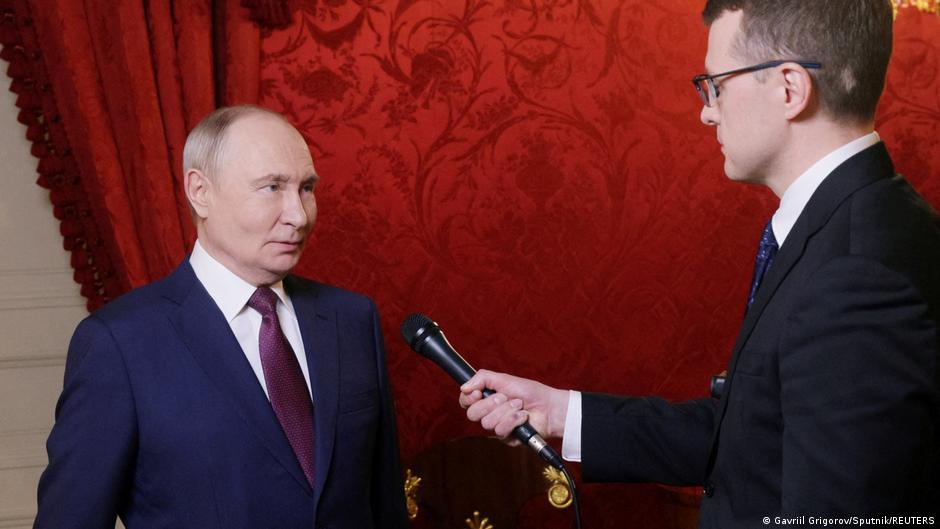
Russian President Vladimir Putin said he believes there is a chance to reach peace in Ukraine through diplomacy, while stressing that any agreement must be negotiated directly between Russia and Ukraine, with other countries playing a supporting role. Putin made the remarks on Thursday, September 3, on the sidelines of the Eastern Economic Forum.
For financial audiences, the latest statements do not alter any immediate operating metrics or balance-sheet disclosures, but they do matter for the broader risk environment watched by investors, creditors and corporate planners. Any indication of renewed diplomatic contact between Moscow, Kyiv and Washington can influence expectations around political risk, sanctions exposure, transport security and the wider business climate linked to the war.
“Russia and Ukraine must first of all come to an agreement between themselves. And all other countries are ready to support and help. … This is the right approach. But we are grateful to everyone who is trying to contribute to resolving this issue. Are there chances? In my view, yes, there are,” Putin said.
Putin also said that contacts between Moscow and Kyiv continue through the intelligence services, although he said he could not determine how much that channel might help advance peace. At the same time, he referred to Ukrainian attacks on transport vessels in the Black Sea and statements from Kyiv about the lack of safety in Russian airspace. According to the Russian president, those factors complicate the possibility of holding bilateral peace talks.
Renewed diplomatic signals from both capitals
Later the same day, Ukrainian President Volodymyr Zelensky also spoke about the prospect of resuming negotiations with Russia. He said that U.S. representatives are expected to visit both Kyiv and Moscow in the near future, and that a possible peace agreement will be discussed during those meetings.
Zelensky said there are preliminary dates for the visits and that Kyiv has already received confirmation from the U.S. side. In his evening video address, he said Ukraine is in constant contact with the American team, underscoring that Washington remains involved in discussions around possible next steps.
“There are preliminary dates. We expect that representatives of the president of the United States will come here, to Kyiv. We already have confirmation from them: there will be a meeting in both Moscow and Kyiv,” Zelensky said.
For investors and analysts, the importance of these remarks lies less in any immediate policy outcome and more in the signal that communication channels remain active. In geopolitical risk assessment, sustained contact can be material even when concrete terms remain undisclosed. Companies with exposure to regional supply chains, shipping routes or political risk insurance often track such developments closely, even when they do not produce near-term changes in earnings guidance or capital allocation.
Several days earlier, Zelensky reported a telephone conversation with U.S. President Donald Trump’s special envoys, Stephen Witkoff and Jared Kushner. In that call, Zelensky told the U.S. representatives that Russia’s battlefield gains were “insignificant.” The statement added another layer to Kyiv’s messaging as it seeks to shape diplomatic expectations ahead of any formal discussions.
Discussion around possible peace talks between Russia and Ukraine intensified shortly after an unannounced visit by CIA Director John Ratcliffe to Moscow in late August. According to Axios, a representative of the Trump administration proposed to the Russian side the idea of a trilateral meeting involving the presidents of the United States, Russia and Ukraine to discuss ending the war through diplomacy.
That report briefly raised the prospect of a high-level summit format. However, after the media reports appeared, Trump rejected the idea of holding a trilateral summit in the near term. He told reporters that Putin would agree to such a meeting if Trump wanted it, and that Washington could organize a summit “immediately.” Still, the U.S. president said he would prefer to hold such a meeting only when the parties were ready to conclude a peace agreement.
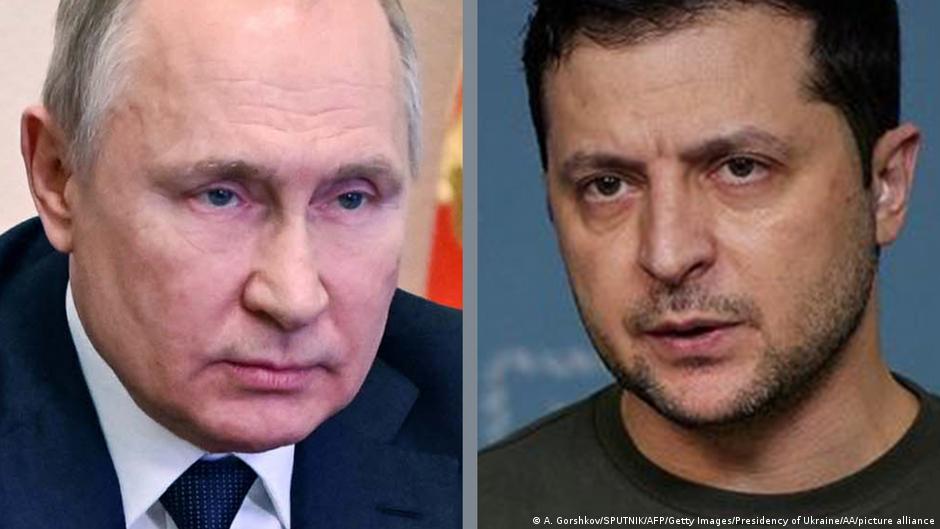
Trump also said that “Putin and Zelensky should stop this stupid war,” again assigning blame for the continued fighting to both Moscow and Kyiv. He argued that a personal hostility between Zelensky and Putin is an obstacle to peace in Ukraine. Trump added that the conflict he had promised to “end in one day” proved more complicated than “eight wars” that, he said, he had managed to stop in less than two years in office.
From a financial reporting standpoint, none of the statements amounted to a formal breakthrough, nor did they introduce a timetable for binding negotiations. There were no new sanctions announcements, no disclosed economic terms, and no public framework for a settlement. That leaves markets, boards and investor-relations teams with rhetoric rather than measurable policy change.
Even so, rhetoric can matter. For businesses and investors, the combination of Putin’s acknowledgment that diplomatic chances exist, Zelensky’s confirmation of expected meetings with U.S. representatives, and Trump’s insistence on a summit only when a deal is within reach suggests that diplomacy remains under consideration, but still at a preliminary stage. In practical terms, that means the war’s political and operational overhang remains in place, even as both sides and the U.S. signal continued engagement.
The current picture, based on the public comments from September 3, is one of guarded possibility rather than executable resolution. Moscow says direct agreement between the warring parties is the core requirement. Kyiv says U.S. envoys are preparing meetings in both capitals. Washington, for its part, is publicly leaving the door open to further diplomacy while resisting a leader-level summit before conditions are mature enough for a peace accord.
For the financial community, that keeps the story squarely in the realm of risk monitoring: meaningful enough to watch, but not yet concrete enough to model as a change in the underlying conflict environment.