Russia Imposes Retail Fuel Sales Limits Amid Declining Oil Production After Drone Attacks
Fuel sales restrictions tighten across 53 Russian regions as oil production drops to yearly lows following Ukrainian drone strikes on refineries.
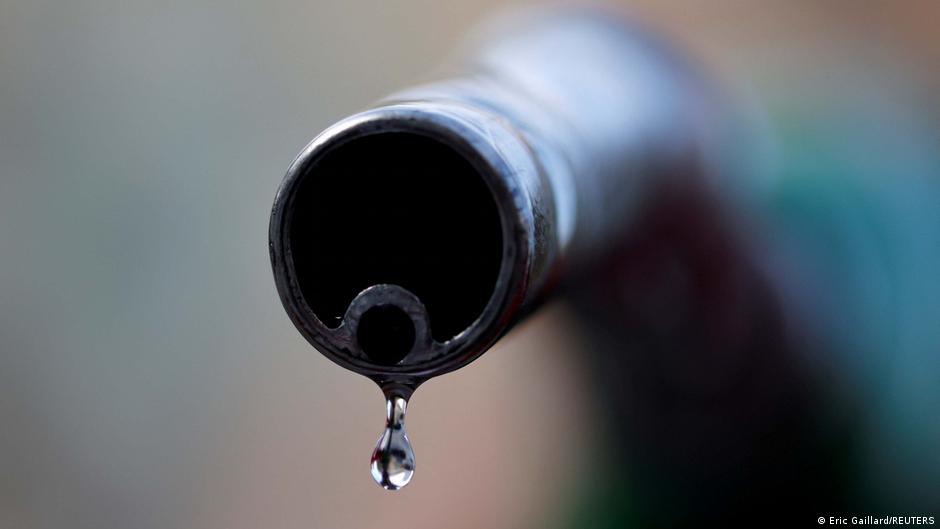
Russia is imposing widespread restrictions on retail fuel sales as its oil industry experiences significant operational disruptions caused by a series of Ukrainian drone attacks targeting key oil refineries and storage facilities. These attacks have severely impacted production capacity, prompting regional authorities to enforce strict limits on gasoline and diesel purchases to manage supply shortages.
Regional Sales Restrictions Respond to Fuel Supply Crisis
Starting June 23, the Russian oil company Lukoil implemented sales caps at its gas stations in the Voronezh region, limiting customers to a maximum of 30 liters of gasoline and 60 liters of diesel per fill-up, with higher allowances along highways (60 liters gasoline and 200 liters diesel). Similar constraints have been reported across multiple regions, including Omsk, Irkutsk, Saratov, Amur, Tambov, Lipetsk, Tula, Tver, and Vladimir.
Omsk Governor Vitaliy Khotsenko announced restrictions of 40 liters of gasoline and 80 liters of diesel per vehicle to prevent artificial demand spikes and speculative activities. In Irkutsk, Governor Igor Kobzev noted that some gas stations have independently implemented fuel sale limitations or temporarily ceased serving customers altogether, attributing the measures to the escalating fuel crisis necessitating manual operational oversight by authorities.
Saratov region authorities have prohibited sales exceeding 30 liters of gasoline per vehicle during June 23-30. Collectively, these interventions highlight the broad geographic scope of the fuel supply challenges afflicting Russia.
"Due to the fuel crisis, authorities have been compelled to transition to manual control modes to manage supply and prevent market disruptions," stated a regional official.
According to data compiled by The Bell, as of mid-June, 53 Russian regions and annexed Ukrainian territories have instituted temporary restrictions on fuel sales to private vehicle owners. These measures reflect a nationwide strain on fuel availability stemming from deteriorating refinery operations.
Oil Production Declines to Annual Lows Amid Infrastructure Attacks
In May, Russian oil output reached its lowest level in a year following increased drone attacks on critical refining and storage infrastructure. Reuters reported that by late May, the majority of major oil industry facilities in central Russia were forced to reduce or halt operations due to damage and operational challenges caused by Ukrainian unmanned aerial vehicle strikes.
The sustained disruptions have not only curtailed crude processing but also destabilized fuel distribution networks, leading to scarcity and the implementation of rationing policies at the retail level. This represents a significant operational and financial setback for Russia's oil sector, which remains a critical contributor to the country's economy and government revenues.
Market analysts are closely monitoring the evolving situation, as prolonged production constraints could impact Russia's export capabilities, refining margins, and downstream profitability, with potential ripple effects on global energy markets.