Russia Launches Renewed Missile Attacks on Kyiv Amid Rising Military Tensions
New missile strikes on Kyiv cause casualties and fires as Ukraine warns of further Russian ballistic missile threats.
Renewed Attacks Impact Kyiv’s Residential Areas
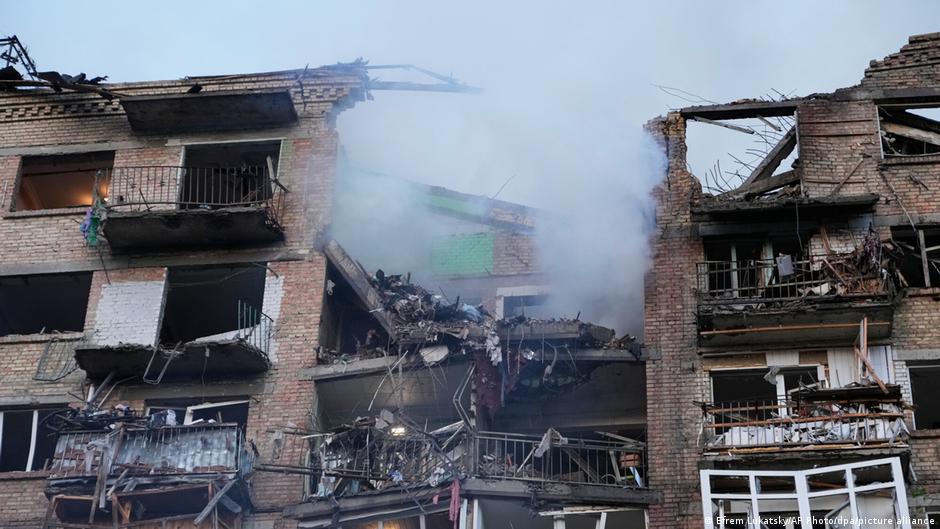
In the early hours of May 24, Russian forces executed another large-scale missile and drone strike targeting Ukraine, with Kyiv and its surrounding regions bearing the brunt of the assault. The mayor of Kyiv, Vitali Klitschko, reported that at least one fatality occurred when a drone struck a nine-story residential building in the Shevchenkivskyi district. Overall, more than 20 people were injured in the attacks, with 13 hospitalized and three in critical condition.
Multiple residential buildings across Kyiv suffered damage from unmanned aerial vehicles (UAVs). Strikes hit a multi-story building in the Shevchenkivskyi district between the third and fourth floors, a 16-story building in the Obolonskyi district around the 12th and 13th floors, and a 24-story building in the Solomianskyi district near the 20th floor. Social media users have shared footage showing fires, particularly in the Solomianskyi district, resulting from these strikes.
Potential Use of "Oreshnik" Ballistic Missile Raises Investor Concerns
In addition to drone strikes, remnants of drones and missile debris were observed falling in various parts of Kyiv and its suburbs, leading to multiple fires. Independent monitoring sources and social media videos have suggested that Russia may have launched a medium-range ballistic missile, the "Oreshnik," against an unidentified target in Bila Tserkva, south of Kyiv.
While official confirmations from Ukrainian or Russian authorities regarding the missile's use remain absent, videos circulating on social platforms display characteristic warhead separations and large explosions consistent with the "Oreshnik" missile system.
"If confirmed, this would mark the third recorded use of the 'Oreshnik' missile by Russian forces since the full-scale invasion began," noted analysts.
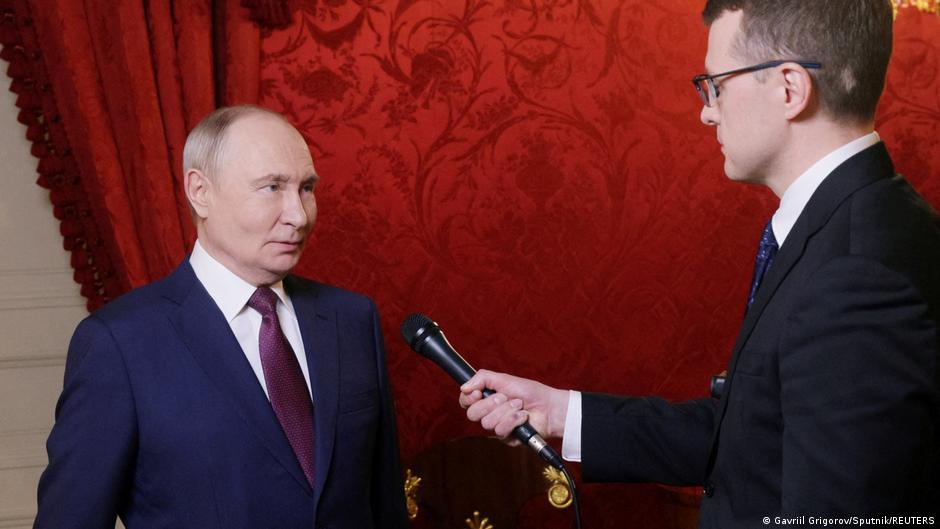
Previously, Russia employed the "Oreshnik" missile in November 2024, describing the strike as missile testing, and again in January 2026 targeting an object in Lviv Oblast. Russian authorities have justified these launches citing alleged UAV attacks on President Putin's residence in Valdai, although such claims have faced skepticism internationally.
Strategic and Financial Implications for Kyiv and International Stakeholders
Ukrainian President Volodymyr Zelensky highlighted on May 23 the intelligence on Russia’s planned use of the "Oreshnik," urging international partners to implement preventive measures rather than reactive responses. This highlights growing concerns about prolonged conflict dynamics impacting Ukraine’s infrastructure and economic stability.
From a financial reporting perspective, continued missile attacks on Kyiv risk exacerbating economic challenges, including elevated reconstruction costs and heightened risk premiums for investments in Ukraine. The damage to residential and commercial infrastructure, coupled with ongoing security threats, could affect investor confidence and complicate fiscal planning for both public and private sectors.
For international investors and stakeholders monitoring Ukraine’s economic outlook, these developments underscore the importance of assessing geopolitical risk factors alongside traditional financial metrics. The potential escalation in military aggression could influence balance sheets, insurance liabilities, and capital allocation decisions.