Russia Sees Sharp Increase in Aviation Fuel Imports from Belarus Amid Domestic Production Drop
In May 2026, Russia imported nearly four times more aviation kerosene from Belarus compared to the previous year due to declining domestic output and export restrictions.
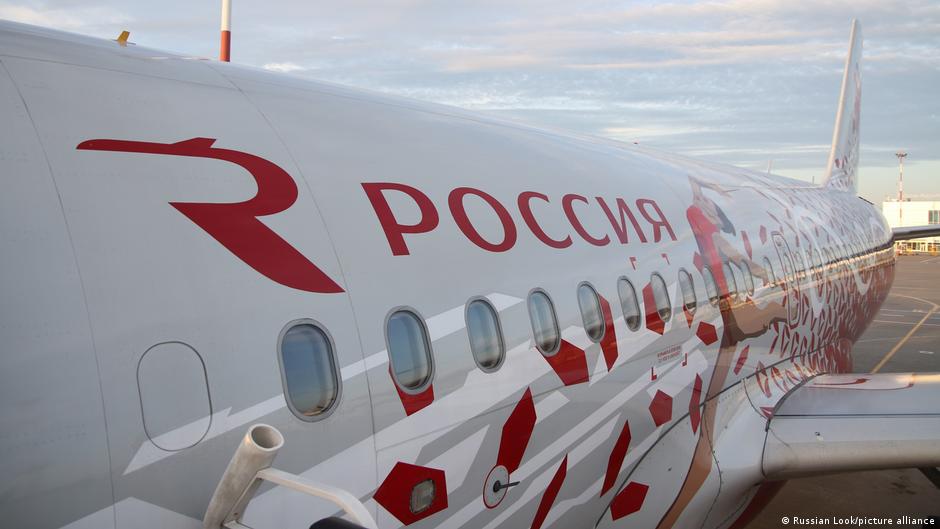
Russia has significantly increased its imports of aviation kerosene from Belarus in response to falling domestic production and new export restrictions, according to recent market data.
Import Surge and Domestic Production Challenges
In May 2026, Russia imported 5,170 tonnes of aviation kerosene from Belarus, nearly four times the volume imported during the same month in the previous year. In the first ten days of June alone, imports from Belarus reached 2,600 tonnes. This data was compiled by the Center for Price Indexes (CPI).
The surge in imports is primarily attributed to a decrease in domestic aviation fuel production. Official Russian government data on aviation fuel output remains undisclosed, but CPI estimates suggest that total production in Russia for 2025 reached approximately 11.4 million tonnes.
A significant disruption in production occurred at the Moscow Oil Refinery in Kapotnya, which contributed around 1.4 million tonnes of this volume. The refinery suspended operations in mid-June following an unmanned aerial vehicle (UAV) attack. Industry sources indicate that the plant is unlikely to resume operations before winter 2026.
“The growth in imports is linked to reduced production volumes,” a market analyst noted. “With refinery outages and ongoing logistical challenges, reliance on Belarusian kerosene has become essential.”
Additionally, discussions are underway about importing JET A-1 aviation fuel via maritime ports and blending it with Russian fuel grades, according to reports from industry publications.
Regulatory Changes and Broader Fuel Supply Issues
On June 1, 2026, Russian authorities implemented an unprecedented ban on the export of aviation kerosene, effective until November 30. This measure aims to prioritize domestic supply amid tightening fuel availability. Mid-June reports indicated that Russian airports began issuing warnings about restrictions on aircraft refueling, signaling emerging supply constraints.
Fuel supply challenges have extended beyond aviation fuel. Over 30 Russian regions have introduced restrictions on automotive fuel sales, reflecting nationwide disruptions. The annexed Crimean Peninsula experienced early gasoline shortages following Ukrainian military strikes on Russian logistics infrastructure in occupied territories. These supply difficulties have since spread to other Russian regions, exacerbated by ongoing Ukrainian air attacks targeting Russian refineries.
According to Reuters, Russian gasoline production declined by 25% year-on-year by the end of June 2026. In response, Russia requested an emergency supply of 50,000 tonnes of gasoline from Kazakhstan on June 24.
Financial Implications for Russian Energy Sector
The combination of refinery outages, import dependency, and export bans is reshaping the financial landscape of Russia’s aviation fuel market. Refinery shutdowns reduce operational revenue and increase reliance on costly imports, while export restrictions limit potential foreign earnings. The need to source alternative supplies like JET A-1 fuel and gasoline from Kazakhstan may further raise procurement costs and pressure margins for Russian energy companies.
Investor relations will likely focus on how these developments impact quarterly earnings and long-term balance sheets. Companies operating refineries vulnerable to attacks or logistical disruptions face heightened operational risks, potentially affecting capital expenditures and asset valuations.