Russian Attacks Target Ukraine’s Port Infrastructure and Energy Assets in May Strikes
Recent Russian missile and drone attacks have caused damage to Ukrainian port facilities and energy infrastructure, with emergency services responding promptly.
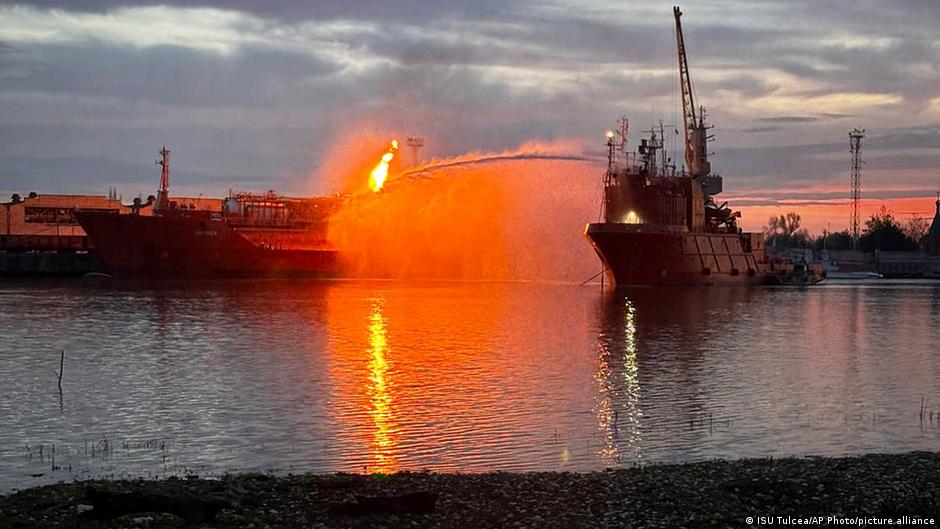
In the latest escalation of conflict, Russian forces launched targeted attacks on key Ukrainian infrastructure between May 17 and 19, inflicting damage on port facilities and energy assets in multiple regions. The strikes have raised concerns about the resilience of Ukraine’s critical infrastructure during ongoing hostilities.
Damage to Port Infrastructure in Izmail
The Izmail district, located in the southern Odessa region, experienced an air assault during the night of May 19. Local administration officials reported damage to objects within the port infrastructure of the city of Izmail. However, emergency responders from the Ukrainian State Emergency Service quickly took actions to mitigate the attack’s effects.
"Almost all aerial attack means were intercepted and destroyed over open terrain outside populated areas of the Izmail district," the local administration noted.
Authorities indicated that there were no casualties or significant destruction reported from this attack, emphasizing the effectiveness of Ukraine’s air defense systems in protecting civilian areas.
Strikes on Naftogaz Energy Facilities
Simultaneously, the Ukrainian state energy firm Naftogaz reported sustained assaults on its oil and gas infrastructure. Naftogaz’s chairman highlighted that on May 17 and 18, Russian forces continuously targeted energy assets with drones and, later on May 18, launched three ballistic missiles at facilities in the Dnipropetrovsk region.
Physical damage and destruction were confirmed at some sites, though the company reported no casualties among its personnel. This came after recent missile strikes on Naftogaz infrastructure in the Poltava region, underscoring a pattern of targeting Ukrainian energy supply chains.
Drone Attacks in Kharkiv and Civilian Impact
In Kharkiv, Mayor Ihor Terekhov reported drone attacks on the Novobavarsky and Kholodnogorsky districts. Civilian infrastructure sustained damage, with fires breaking out at the impact sites. Rescue operations saved two individuals from one burned home, though concerns remain over a third person possibly trapped under rubble.
These attacks demonstrate the continuing threats to urban centers and civilian life amid the broader conflict, with emergency services actively engaged in search and rescue efforts.
Strategic Implications for Investors and Infrastructure Stability
The intensified strikes on critical infrastructure could have broad implications for Ukraine’s economic stability and investment climate. Damage to port operations in Izmail may disrupt logistics and trade flows, impacting regional commerce and export capabilities. At the same time, repeated attacks on energy assets such as those operated by Naftogaz threaten the reliability of energy supplies and infrastructure resilience.
Investors and analysts monitoring the region’s financial and infrastructural stability should note that while no casualties were reported in many attacks, the physical damage and ongoing risks could affect operational continuity and financial performance in key sectors.
Amid these developments, Ukraine has expanded its own drone strike capabilities to target locations deep within Russian territory, including major cities in the Ural region. Estimates suggest that approximately a quarter of Russian territory, housing over 70 percent of the population, is within reach of Ukrainian drone operations, signaling a prolonged and complex conflict dynamic.