Russian Diesel Cargoes Divert, Putting Trump Import Deal at Risk
Two tankers have abandoned US-bound routes as sanctions exposure and buyer caution threaten a deal intended to reduce diesel prices.
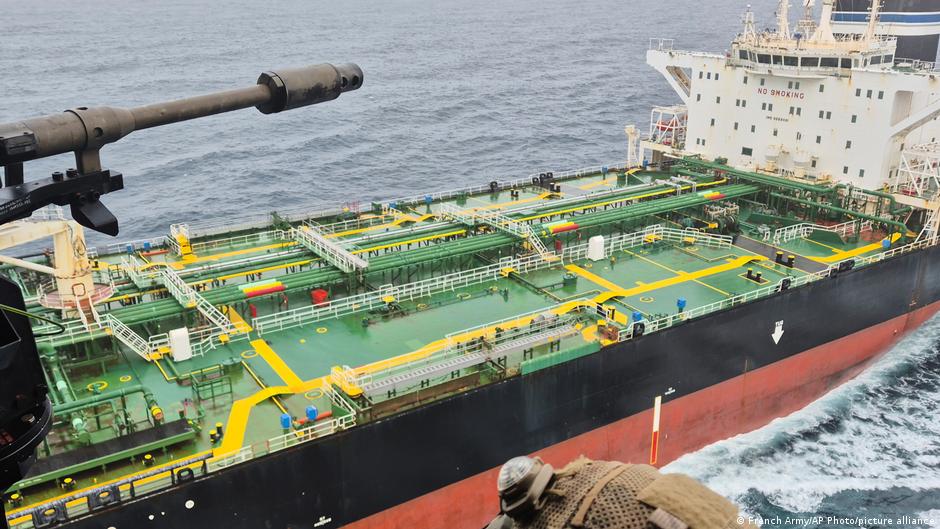
Two of three oil tankers carrying Russian fuel toward the United States have changed course, casting doubt on a diesel import agreement between US President Donald Trump and Russian President Vladimir Putin, the Financial Times reported on Wednesday, November 4.
The diversions raise questions about whether the agreement can deliver enough fuel to influence US retail prices or provide the political benefits anticipated by the White House. They also underscore the financial and compliance risks facing buyers, shipowners and intermediaries involved in transactions connected to sanctioned vessels.
The Russian tanker Talisman and the Hong Kong-owned Leruo, which sails under the Sierra Leone flag, no longer list the US Atlantic coast as their destination, according to the report. Leruo redirected toward Brazil on November 2, while Talisman entered the Mediterranean and was located off Algeria.
Talisman was transmitting a “for orders” signal, indicating that its cargo did not yet have a confirmed buyer or destination port. Both Talisman and Leruo are subject to European Union sanctions, a status that can complicate financing, insurance, settlement, port access and counterparty approvals even when a proposed transaction involves the US market.
Compliance Risk Clouds Expected US Supply
A third tanker, Agioi Fanendes, owned by Greek shipping company Eastern Mediterranean Maritime, was continuing toward the United States. However, it was also transmitting a “for orders” signal, leaving uncertainty over whether its cargo had a final buyer and whether the vessel would complete a US port call.
“The tanker is due to arrive in New York this weekend. However, given the apparent caution of US buyers because of regulatory, legal and sanctions risks, it would not be surprising if this tanker also changed course and abandoned its US call,” Kpler analyst Matt Smith told the Financial Times.
The vessel’s status illustrates a central execution risk for the import initiative: an announced supply agreement does not necessarily translate into delivered barrels, recognized sales or lower pump prices. Until buyers, destinations and payment arrangements are confirmed, the cargoes remain exposed to diversion and potential delays.
Meanwhile, Beast, a sanctioned tanker owned by companies based in the Seychelles, loaded at the Russian port of Primorsk on October 27 and was still heading toward the US Atlantic coast, according to the report. Its continued voyage suggests that some Russian diesel supply remains in transit, although its sanctions designation may create the same commercial and regulatory concerns affecting the other vessels.
Price Pressure and Political Returns
The tanker movements come against a sharply more expensive diesel market. Diesel futures have risen by more than 60% since the beginning of the war in Iran. At the start of November 2026, average diesel prices at US filling stations were approximately $6.30 per gallon, equivalent to $1.66 per liter.
Those figures provide the financial rationale for the Trump administration’s attempt to secure additional imports. Higher diesel costs affect freight operators, manufacturers, agricultural businesses and retailers, potentially feeding into logistics expenses and broader inflation. Additional supply could, in principle, ease wholesale market pressure, but the rerouting of cargoes reduces visibility over the volume and timing of any benefit.
Trump reached the agreement with Putin several weeks before the US congressional midterm elections. The arrangement called for purchases and imports of Russian diesel, with the administration seeking to lower prices and strengthen political support ahead of the vote.
The initiative did not produce the intended electoral result for the Republican Party. In the November 3 elections, Democrats won majorities in both the US Senate and House of Representatives.
For investors and companies exposed to fuel costs, the immediate issue is whether the remaining vessels will complete their voyages and whether US buyers can structure transactions that satisfy regulatory, legal and sanctions requirements. The lack of confirmed destinations for vessels still sailing toward the United States limits confidence in near-term supply estimates.
The situation also highlights a gap between the headline value of a government-backed commodity agreement and its measurable financial impact. Without completed deliveries, disclosed volumes and confirmed counterparties, the deal’s effect on inventories, retail prices and corporate fuel expenses remains uncertain. Further tanker diversions would weaken the prospect that Russian imports can materially offset the diesel price surge.