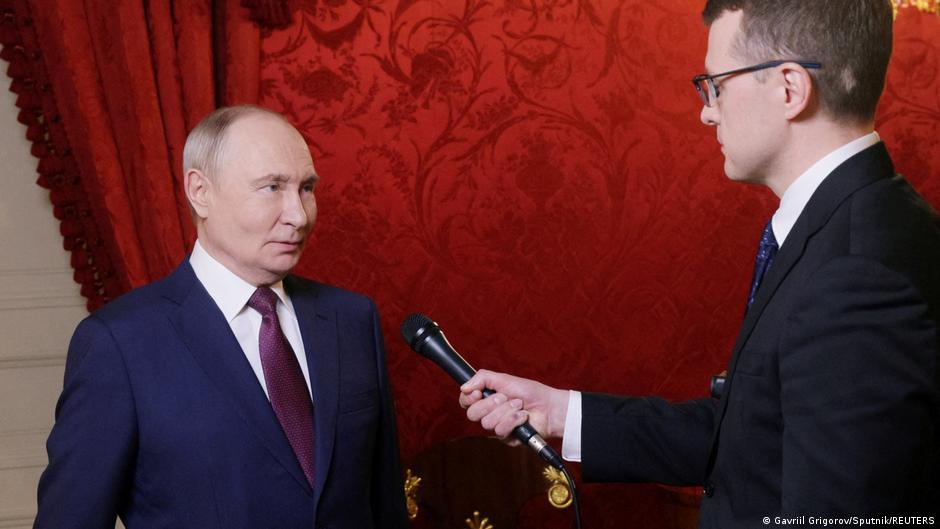
Russian State Duma Revises Fuel Dampener Mechanism to Stabilize Domestic Prices
New amendments aim to enhance fuel supply and mitigate price volatility amid export limits and import compensation schemes.
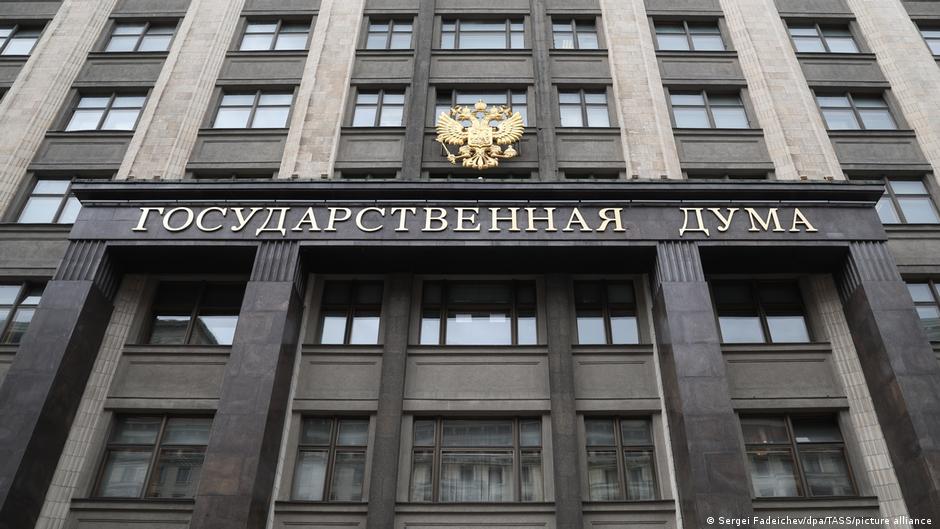
The Russian State Duma has approved a package of amendments to the Tax Code designed to stabilize fuel prices by modifying the fuel dampener mechanism, exchange sales regulations, and compensation conditions for imported diesel fuel.
Adopted in the second and third readings, the legislative changes adjust the state compensation system that reimburses oil companies for part of the costs associated with supplying fuel on the domestic market. This mechanism helps to curb price increases and is expected to boost fuel availability while reducing price fluctuations.
The amendments were developed by the Russian government amid broader measures to stabilize the petroleum products market. Earlier initiatives included reducing mandatory gasoline sales quotas on exchanges and restricting exports of petroleum products to ensure sufficient domestic supply.
Key Changes to Fuel Market Regulations
One significant revision expands the list of deliveries counted towards the minimum mandatory exchange fuel sales quota. The new rules allow for off-exchange volumes to be included if circumstances are later specified by the government. This adjustment responds partly to requests from the agricultural sector for more flexible supply arrangements.
"This approach will help maintain supply to specific industries without violating mandatory exchange sales volume requirements," explained Deputy Finance Minister Alexey Sazanov.
The amendments also enable fuel dampener payments for certain middle distillate products—types of petroleum products similar to diesel fuel—to be made from July 2026 through July 2027. These products are destined for the domestic market and represent a variant of diesel fuel.
Additionally, a compensation mechanism for imported diesel fuel is introduced, modeled after the existing gasoline scheme. Importers may receive tax deductions on excise taxes when import costs exceed domestic wholesale prices. These payments are contingent on simultaneous export restrictions on diesel and aviation kerosene in the preceding month.
For calculating diesel compensation from third countries, the export price benchmark will be based on Indian market prices adjusted for freight to Russian ports. India serves as a pricing reference, not a mandatory supplier.
Special provisions increase the compensation coefficient to 0.9 for imports from Belarus, making these deliveries comparatively more advantageous.
Context and Market Impact
The law's adoption coincided with India’s decision to nearly double export duties on diesel and aviation fuels. India is among the world's leading exporters, accounting for approximately 6% of global seaborne petroleum product shipments, according to analytics firm Kpler.
State Duma Speaker Vyacheslav Volodin indicated that the impact of these legislative measures might be observable within days, expecting increased fuel deliveries and the buildup of necessary reserves on the domestic market.
Russian Deputy Prime Minister Alexander Novak confirmed on July 21 that government actions are already yielding results. Contributing factors to market stabilization include export restrictions, increased production volumes, import supplies, and rescheduling maintenance at key refineries.
Earlier in 2026, major Russian refineries suffered damage from drone attacks amid tensions linked to the conflict in Ukraine. By late May, the combined capacity of fully or partially halted refineries exceeded 83 million tons annually, roughly 25% of Russia’s total refining capacity. These facilities produced over 30% of the country’s automotive gasoline and about 25% of its diesel fuel, compelling authorities to tighten market regulations and diversify supply sources.