Russia’s Oil Exports Hit Highest Level Since Early 2026 Despite Falling Prices
Russia’s sea oil exports reached a weekly peak amid US-Iran negotiations and sanction adjustments impacting global markets.
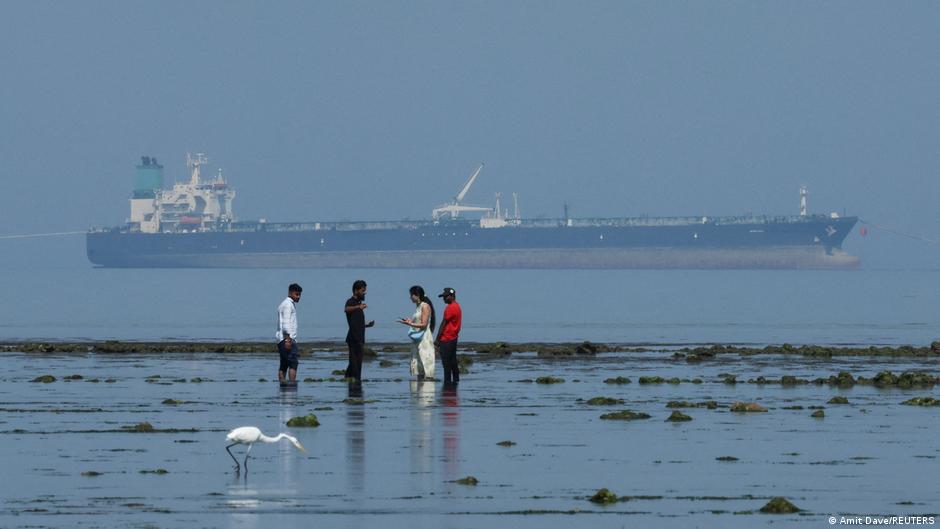
According to Bloomberg's analysis, Russia increased its maritime oil exports last week to the highest volumes recorded since the start of 2026, even as global oil prices declined amid ongoing diplomatic talks between the US and Iran.
Between June 15 and June 21, a total of 38 tankers loaded 28.79 million barrels of Russian crude oil, averaging 4.11 million barrels per day. Bloomberg identifies this as the strongest weekly export volume for Russia since early 2026.
Notably, this surge in exports surpasses the average annual export levels recorded in any year since the onset of Russia’s full-scale invasion of Ukraine. Additionally, the oil shipments are actively in transit, marking a shift from previously observed stockpiling at sea.
Sanction Adjustments and Market Dynamics
The export growth was enabled by a temporary US waiver on sanctions targeting Russian oil vessels, which was introduced to alleviate the fuel supply challenges caused by the blockage of the Strait of Hormuz amid conflict with Iran. This waiver, effective until June 17, allowed Russian cargo ships to operate without penalty, although further extension has not been announced.
Despite record export volumes, Russia’s oil revenue is under pressure due to a simultaneous drop in global crude prices. The resumption of Iranian oil flows following a memorandum of understanding between the US and Iran—resulting in the reopening of the Strait of Hormuz and unlocking Iranian ports—has intensified competition and caused crude prices to fall by approximately 16%.
“The return of Iranian crude to international markets and ongoing attacks on Russian refineries could force Russia to export more raw oil rather than processing it domestically, potentially driving prices down further,” Bloomberg noted.
Argus Media estimates a 20% decline over the past week in prices for Russian oil grades, particularly Urals and ESPO. The conflict in Ukraine has also led to increased Ukrainian military strikes on Russian refineries, which could limit Russia’s capacity to refine oil internally and necessitate higher volumes of raw crude exports.
On the demand side, Iranian oil shipments may directly challenge Russian Urals crude in key markets such as India. To retain market share among Indian buyers, Russia might need to deepen export discounts on its crude oil, a scenario highlighted by Bloomberg.
Overall, Russia’s oil export volumes are at a new high for the year, but financial returns are moderated by falling prices and increased competition. The evolving geopolitical landscape and sanction policies continue to shape the outlook for Russian energy revenues and investor confidence.