Russia’s Petroleum Product Output Declines Nearly 22% in June Amid Supply Constraints
June data reveals a sharp year-on-year drop in Russia’s petroleum product production, challenging market stability despite government assurances.
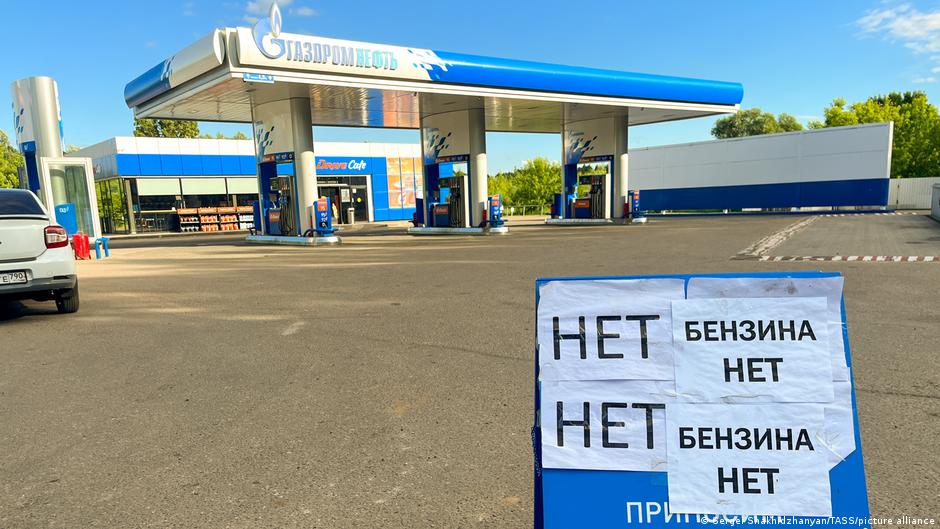
In June 2026, Russia's petroleum product production index experienced a substantial year-over-year decrease of 21.8%, according to data released by Rosstat on July 22. This notable contraction in output contrasts with May’s more moderate 13.5% decline, underscoring escalating production challenges within the sector.
Production Index and Market Dynamics
Rosstat calculates the monthly production indices as the ratio of the value of representative product baskets—derived from production volume multiplied by prices—measured in constant prices based on the 2023 baseline year. However, the Russian government has chosen not to publish data on petroleum product output in physical volume terms, limiting detailed transparency on actual production quantities.
Despite the production decline, retail fuel prices in Russia have shown signs of moderate deceleration in their growth. For the week ending July 20, gasoline prices rose by 1.7%, down from a 2.3% increase during the previous week. Similarly, diesel prices increased by 1.9%, compared to a 3.2% climb the week before.
"Monthly production indices reflect value changes rather than physical output, complicating direct volume assessments amid market volatility," explained industry analysts.
Impact of Conflict on Supply Chain and Production Capacity
Summer 2026 has seen intensified disruptions in Russia’s fuel production and supply due to Ukrainian military strikes targeting key oil storage facilities and refineries. These assaults have led to the most severe fuel shortages in Russia since the onset of the full-scale conflict earlier in the year.
According to Reuters estimates, approximately 25% of the country’s oil refining capacity has been rendered partially or fully inoperable following drone attacks in retaliation for Russian strikes on Ukrainian cities. This reduction in refining capability has forced certain regions to impose restrictions on fuel sales to manage the scarcity.
These developments present significant challenges for energy companies’ operational continuity and financial performance. Reduced refining throughput directly impacts revenue streams and could pressure margins amid fluctuating input costs and constrained supply chains.
From an investor relations perspective, stakeholders will be closely monitoring upcoming quarterly earnings reports for indications of how companies are adapting to these operational disruptions and what measures are being deployed to stabilize production and manage inventory levels.